The NBA’s Shifting Playoff Landscape: Analyzing the Wild Card Race
As the NBA regular season enters its critical final stretch, several teams are battling for positioning in the Eastern and Western Conference playoff races, particularly those vying for the crucial play-in tournament spots. This analysis delves into the current standings, recent performance trends, and the factors that


The National Basketball Association’s regular season is a marathon, but the final weeks often feel like a sprint. As teams jockey for position, the most intense battles are frequently found in the middle of the pack, where the coveted play-in tournament spots are up for grabs. This year is no exception, with numerous teams in both the Eastern and Western Conferences fighting to extend their seasons and earn a shot at the NBA championship. Understanding this dynamic requires a close look at current standings, recent form, and the strength of schedule ahead.
Why This Playoff Race Matters
The NBA’s play-in tournament has fundamentally altered the end-of-season narrative. No longer is securing the eighth seed a mere formality; teams are now fighting for the opportunity to even *enter* the traditional playoff bracket. For franchises that have spent parts of the season struggling or rebuilding, a strong finish that lands them in the play-in offers a tangible goal and a chance to build momentum. For established contenders, avoiding the play-in and securing a top-six seed is paramount to ensure a more favorable matchup and home-court advantage in the first round. The difference between finishing seventh or eighth, or ninth or tenth, can mean the difference between a competitive playoff series and an early exit.
What the Current Standings Show
Examining the current NBA standings reveals a fascinating picture of parity and contention. In the Eastern Conference, teams like the Miami Heat, Philadelphia 76ers (depending on Joel Embiid’s health), and potentially the Indiana Pacers are often found in the thick of this play-in battle. Their records, while competitive, might place them outside the top six, forcing them to navigate the win-or-go-home scenarios of the tournament.
Similarly, the Western Conference presents a compelling case. Teams such as the Los Angeles Lakers, Golden State Warriors, and Sacramento Kings frequently find themselves in this precarious playoff positioning. Their veteran leadership, coupled with the need to consistently win crucial games against other fringe playoff teams, defines their late-season mission.
Here’s a snapshot of how these battles often shape up:
| Conference | Typical 7/8 Seed Range | Typical 9/10 Seed Range | Key Teams (Examples) |
|---|---|---|---|
| Eastern Conference | .500 – .550 | .450 – .500 | Heat, Pacers, 76ers (health dependent), Bulls |
| Western Conference | .500 – .550 | .450 – .500 | Lakers, Warriors, Kings, Rockets (emerging) |
Note: Standings percentages are illustrative and will fluctuate based on game outcomes.
Competing Readings on Team Performance
Interpreting the data requires considering factors beyond raw win-loss records. For teams like the Lakers and Warriors, aging stars and their ability to stay healthy and effective in crucial moments are always a storyline. Conversely, teams like the Houston Rockets, if they are in contention, represent a young, emerging group that has found its rhythm late in the season. Their energy and developing chemistry could be a significant factor.
The impact of injuries and player availability cannot be overstated. The Philadelphia 76ers’ season, for instance, has been heavily influenced by Joel Embiid’s health. When he’s out, the team’s offensive and defensive capabilities are significantly diminished, impacting their ability to secure a high seed and potentially even their play-in prospects. Conversely, a team that manages to stay healthy and integrate players back from injury at the right time can gain a significant advantage.
The strength of schedule also plays a critical role. A team that has navigated a brutal gauntlet of opponents might have a more impressive .500 record than a team that has feasted on weaker competition. Analyzing upcoming schedules for these play-in contenders can offer clues about their ability to maintain or improve their standing.
What Could Change Next
The beauty of the NBA’s late-season push is its inherent unpredictability. Several factors can rapidly alter the playoff picture:
- Key Matchups: Head-to-head games between teams in the play-in hunt are often double-edged swords. A win can propel a team into a better position, while a loss can send them tumbling down the standings. These games carry immense psychological and positional weight.
- Player Performance Surges: An individual player or a core group of players hitting a hot streak can be enough to carry a team through a difficult stretch. This could be a star carrying the load or unsung heroes stepping up.
- Coaching Adjustments: Coaches often refine rotations, implement new strategies, or emphasize specific aspects of play as the season winds down. These tactical shifts can have a profound impact on a team’s performance.
- Unexpected Slumps or Injuries: Just as teams can surge, they can also falter. A sudden losing streak or a key player injury can derail even the most promising playoff aspirations.
What Remains Unclear
Despite the analysis, several questions will linger until the final buzzer of the regular season. The exact matchups for the play-in tournament remain fluid. Which teams will ultimately secure the seventh and eighth seeds, granting them two chances to advance, versus the ninth and tenth seeds, facing a single elimination scenario? Furthermore, the health of key players, particularly those returning from injury, will be a constant variable. The emergence of any dark horse contenders who weren’t projected to be in this race at the start of the season also adds an element of intrigue. Ultimately, the NBA’s wild card race is a testament to the league’s competitive balance and the drama that unfolds when every game carries significant playoff implications.
Related news

Holy Cross football ends 16-year drought against Ansonia behind Nate Craft’s four touchdowns
The Crusaders overcame a third-quarter deficit to beat Ansonia 48-37, snapping a losing streak that dated back to 2009 and improving to…
Read story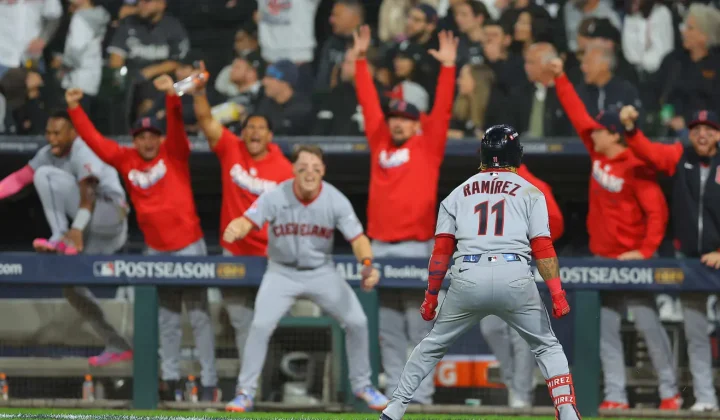
Guardians Force Winner-Take-All ALDS Game 5 With Six-Run Sixth Inning in Chicago
Cleveland scored six runs in the sixth inning to beat the White Sox 9-5 in Game 4 of the ALDS, setting up…
Read story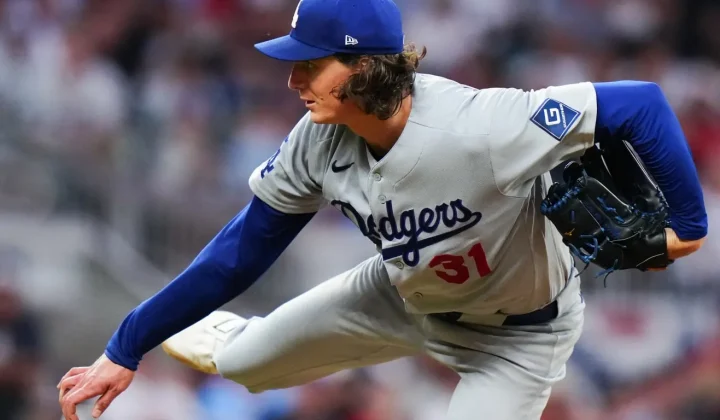
Dodgers Take Commanding 3-1 NLDS Lead Behind Glasnow’s Gritty Outing in Atlanta
Tyler Glasnow battled through command issues but limited Atlanta to one run over 4 2/3 innings as Los Angeles took a 3-1…
Read story
Braves Face Elimination as Dodgers Seek NLCS Berth in Game 4 NLDS Showdown
The Atlanta Braves host the Los Angeles Dodgers in a pivotal Game 4 of the National League Division Series on Wednesday night.…
Read storyRelated wiki

MLB Wild Card Rules Explained: Format, Tiebreakers & Postseason Impact
How the MLB wild card works in the current postseason format, including tiebreaker procedures, the 3-game series structure, and what it means…
Read storyPlayoff race
Reference page for playoff race language, qualification lines, tiebreakers and games-in-hand context.
Read story