The Evolving Landscape of Sports Media: Navigating Bias and Credibility
In an era of information overload, understanding the nuances of sports media bias is crucial for fans seeking objective analysis and reliable reporting. This column explores how to critically evaluate sports media.


The Challenge of Objective Sports Reporting
In the digital age, sports fans are inundated with information from a multitude of sources. From official league websites and team-generated content to established sports networks, independent blogs, and social media feeds, the sheer volume can be overwhelming. This accessibility, while beneficial in many ways, also presents a significant challenge: discerning credible, unbiased reporting from opinion, speculation, or outright misinformation. The goal of NationalSportsWeb is to provide reliable, source-backed analysis, but understanding the broader media ecosystem is crucial for every consumer of sports news. This column delves into the nature of sports media bias, its impact on fan perception, and strategies for navigating this complex landscape.
Why Media Bias in Sports Matters
Sports media plays an integral role in shaping fan engagement, narratives, and even the perception of athletes and teams. As highlighted in a study from Frontiers in Sociology, athletes are central to journalistic texts, with their performances, personal stories, and opinions heavily covered. This coverage, however, is not always neutral. Media outlets, whether intentionally or unintentionally, can exhibit biases that influence how stories are framed, which athletes or teams receive more attention, and what information is emphasized or downplayed. This can lead to skewed perceptions, fostering unfair narratives or creating unrealistic expectations. For instance, the “individualization in media coverage of athletes often manifests through the presentation of their personalities, achievements, and lives outside of sports, similar to that of politicians in political marketing,” as noted by Frontiers in Sociology, creating star images that can sometimes overshadow objective performance analysis.
What Sources Show: A Spectrum of Credibility
Evaluating sports media requires understanding the different types of sources and their inherent potential for bias. Official sources, such as league websites (e.g., NFL.com, NBA.com) and team-specific pages, are generally the most reliable for factual information like schedules, standings, injury reports, and transaction logs. These sources are directly tied to the organizations they represent and have a vested interest in presenting accurate data.
However, even official sources can have a subtle agenda. For example, a team website might emphasize positive news and downplay negative developments. Beyond official channels, respected sports media outlets like ESPN, The Athletic, and CBS Sports provide a vital layer of analysis and context. These organizations often have dedicated journalists who build relationships within the sports world, offering deeper insights. Yet, as the Media Bias/Fact Check (MBFC) resource suggests, all media outlets have a bias, and understanding where a particular outlet falls on the political and factual spectrum is important, even in sports. MBFC’s extensive database, which scrutinizes thousands of media sources, underscores the need for critical consumption. NPR, for instance, while generally considered a reputable news source, also presents news from a particular perspective, as seen in its reporting on international events.
Competing Readings and Interpretations
The interpretation of events and data is where much of the subtle bias in sports media emerges. Consider a star player suffering an injury. An official injury report will state the fact of the injury and perhaps its expected duration. A less scrupulous or more sensationalist outlet might speculate wildly about career-ending consequences or invent dramatic backstories, while a more balanced source might explore the tactical implications for the team and offer a range of expert opinions on recovery timelines.
Here’s a simplified look at how different types of sources might cover a hypothetical player injury:
| Source Type | Potential Framing | Focus |
|---|---|---|
| Official Team Site | “Player X to miss time with minor injury, focus on full recovery.” | Team’s ability to adapt, player’s commitment |
| Major Sports Network | “Star Player X sidelined; team’s playoff hopes hang in the balance.” | Impact on team performance, championship odds |
| Independent Blog | “Sources say X’s injury is more serious than reported; could signal the end.” | Speculation, potential trade implications |
| Analytical Outlet | “Analysis: How Player X’s absence affects team’s offensive schemes and defensive spacing.” | Tactical adjustments, statistical impact |
Furthermore, the rise of analytics and technology in sports, as discussed by Catapult, introduces another layer. While data can offer objective insights, the way this data is presented and interpreted can still be influenced by the narrative an outlet wishes to promote. An outlet might highlight statistics that support a particular player’s greatness while downplaying those that show weaknesses, or vice versa.
What Could Change Next and What Remains Unclear
The landscape of sports media is constantly evolving. The increasing reliance on social media for breaking news and direct athlete communication means that information can spread rapidly, but often without the rigorous fact-checking that traditional journalism provides. This necessitates a greater degree of media literacy from consumers. While resources like MBFC provide valuable tools for assessing media bias, applying these principles to the specialized world of sports reporting requires ongoing vigilance.
What remains unclear is the long-term impact of AI and advanced analytics on sports journalism. While these technologies can enhance reporting with deeper data insights (as explored by Catapult), they also raise questions about the future role of human journalists and the potential for AI-generated content to amplify existing biases or create new forms of misinformation. The constant flow of information, coupled with the inherent human element of sports, ensures that critical evaluation will always be a necessary skill for dedicated fans. NationalSportsWeb aims to be a part of that solution by providing well-sourced, analytical content that cuts through the noise.
Related news
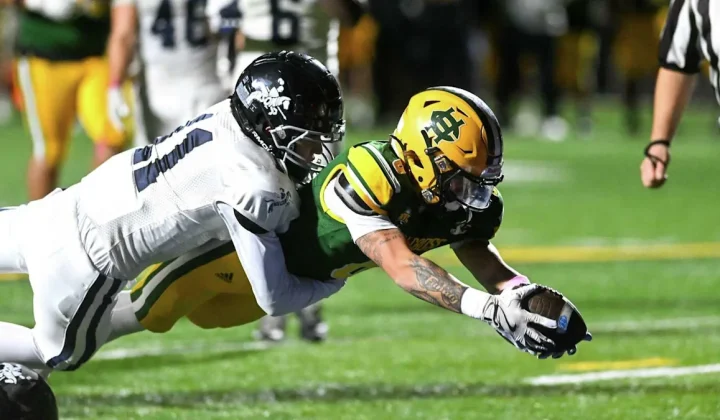
Holy Cross football ends 16-year drought against Ansonia behind Nate Craft’s four touchdowns
The Crusaders overcame a third-quarter deficit to beat Ansonia 48-37, snapping a losing streak that dated back to 2009 and improving to…
Read story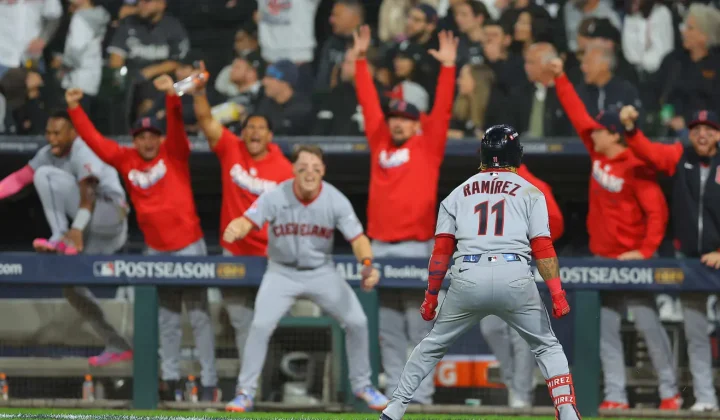
Guardians Force Winner-Take-All ALDS Game 5 With Six-Run Sixth Inning in Chicago
Cleveland scored six runs in the sixth inning to beat the White Sox 9-5 in Game 4 of the ALDS, setting up…
Read story
Dodgers Take Commanding 3-1 NLDS Lead Behind Glasnow’s Gritty Outing in Atlanta
Tyler Glasnow battled through command issues but limited Atlanta to one run over 4 2/3 innings as Los Angeles took a 3-1…
Read story
Braves Face Elimination as Dodgers Seek NLCS Berth in Game 4 NLDS Showdown
The Atlanta Braves host the Los Angeles Dodgers in a pivotal Game 4 of the National League Division Series on Wednesday night.…
Read storyRelated wiki

MLB Wild Card Rules Explained: Format, Tiebreakers & Postseason Impact
How the MLB wild card works in the current postseason format, including tiebreaker procedures, the 3-game series structure, and what it means…
Read storyPlayoff race
Reference page for playoff race language, qualification lines, tiebreakers and games-in-hand context.
Read story