The Evolution of the Quarterback in the NFL: From Pocket Passer to Dual-Threat Dynamo
Explore how the role of the NFL quarterback has transformed over the decades, from traditional pocket passers to the dynamic dual-threat playmakers of today.


The National Football League (NFL) has witnessed a dramatic evolution in its most crucial position: the quarterback. What began as a game dominated by stoic pocket passers has transformed into an era where dual-threat quarterbacks, capable of both throwing with precision and making plays with their legs, are increasingly prevalent and successful. This shift reflects changes in offensive schemes, player development, and the overall strategic landscape of professional football.
From the Classics to the Modern Era
In the early days of the NFL, the quarterback’s primary role was to orchestrate the offense from within the pocket. Players like Johnny Unitas and Joe Namath were masters of reading defenses, delivering accurate passes, and leading their teams downfield through strategic play-calling. Their game was built on pocket presence, arm strength, and decision-making, with running being a secondary or even discouraged aspect of their play. The offensive line’s main job was to protect the passer for extended periods, allowing him to find open receivers.
The 1980s and 1990s saw the emergence of quarterbacks who could extend plays with their mobility, though often out of necessity rather than design. Players like Randall Cunningham and Steve Young showcased impressive athleticism, adding a new dimension to the position. They could scramble out of the pocket to avoid sacks and sometimes turn broken plays into significant gains. However, the emphasis still largely remained on their passing ability, with their running skills often viewed as a bonus or a deviation from traditional quarterbacking.
The Paradigm Shift: The Rise of the Dual-Threat
The 21st century has ushered in a new breed of quarterback, one that is equally adept at dissecting defenses with passes and outmaneuvering them with their legs. This dual-threat ability has become a strategic advantage, forcing defensive coordinators to account for a much wider range of threats on every snap.
The success of quarterbacks like Michael Vick, Cam Newton, and more recently, Lamar Jackson and Josh Allen, has fundamentally altered how teams approach offensive strategy. These players possess the arm talent of traditional quarterbacks combined with the speed and agility of running backs. Their ability to run read-option plays, execute designed quarterback draws, and escape pressure opens up the playbook in ways previously unimaginable.
Factors Driving the Evolution
Several factors have contributed to this significant evolution in the quarterback position.
Offensive Scheme Innovation
Modern offensive schemes, particularly those influenced by college football, are designed to leverage the athleticism of mobile quarterbacks. The zone-read and RPO (Run-Pass Option) plays have become staples, giving the quarterback the ability to hand off, run, or pass based on defensive reads.
Player Development and Training
Training programs for young quarterbacks have evolved to include more emphasis on agility, footwork, and ball-carrying skills. Aspiring quarterbacks are often encouraged to develop their all-around athleticism, rather than solely focusing on passing mechanics.
Defensive Adjustments
Defenses have had to adapt to counter the dual-threat quarterback. This often involves using more athletic linebackers and safeties who can cover more ground and are better equipped to tackle mobile quarterbacks in the open field. However, this also creates vulnerabilities elsewhere on the defense.
Impact on the Game
The rise of the dual-threat quarterback has made the NFL a more dynamic and exciting sport to watch. Games are often higher scoring, and the unpredictability of plays can lead to thrilling comebacks and unexpected outcomes. Teams that can effectively utilize a dual-threat quarterback often possess a significant competitive edge.
The traditional pocket passer is not obsolete, and many successful quarterbacks still fit that mold. However, the league’s trajectory clearly indicates a growing appreciation and demand for quarterbacks who can impact the game with both their arm and their legs. The quarterback position continues to evolve, promising even more exciting innovations in the years to come.
Quarterback Archetypes Through the Eras
| Era | Dominant Archetype | Key Characteristics | Notable Players |
|---|---|---|---|
| Pre-1970s | Pocket Passer | Strong arm, pocket presence, strategic leader | Johnny Unitas, Otto Graham |
| 1970s-1990s | Mobile Passer | Passing accuracy, ability to extend plays with legs | Joe Montana, Steve Young |
| 2000s-Present | Dual-Threat | Elite arm talent, exceptional speed and agility | Tom Brady, Patrick Mahomes |
The Future of the Position
As offensive strategies continue to develop and player athleticism increases across the league, it’s likely that the dual-threat quarterback will remain a dominant force. The ability to adapt and overcome defensive schemes with a versatile skill set will continue to be a hallmark of successful NFL offenses. The evolution of the quarterback is a testament to the ever-changing nature of professional football and its constant pursuit of innovative and effective play.
Related news
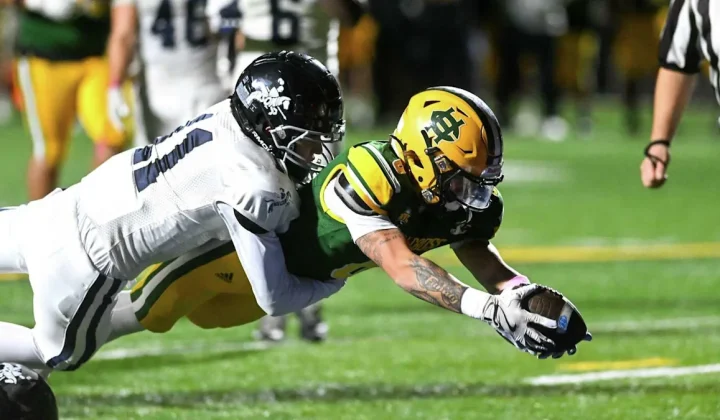
Holy Cross football ends 16-year drought against Ansonia behind Nate Craft’s four touchdowns
The Crusaders overcame a third-quarter deficit to beat Ansonia 48-37, snapping a losing streak that dated back to 2009 and improving to…
Read story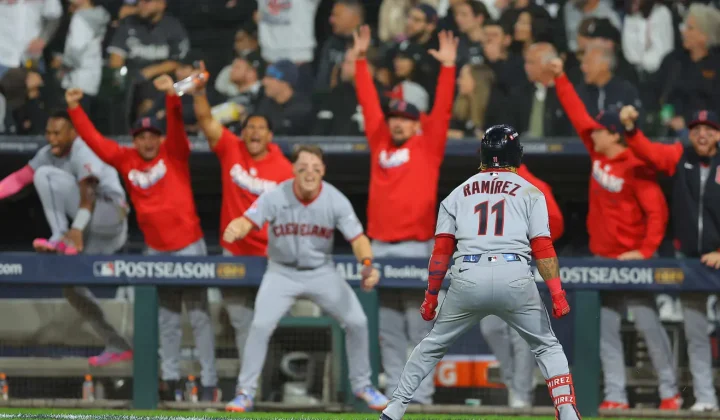
Guardians Force Winner-Take-All ALDS Game 5 With Six-Run Sixth Inning in Chicago
Cleveland scored six runs in the sixth inning to beat the White Sox 9-5 in Game 4 of the ALDS, setting up…
Read story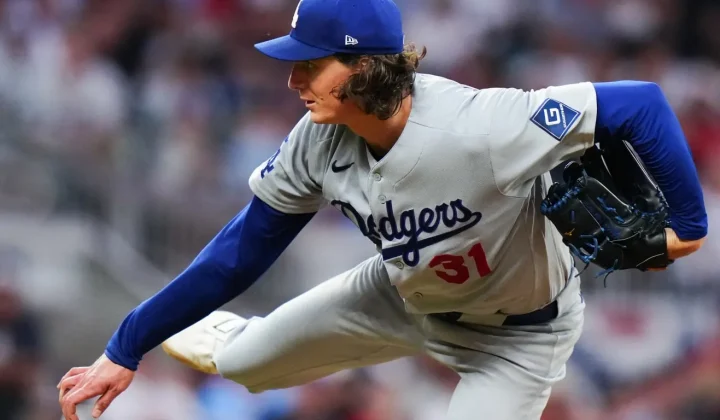
Dodgers Take Commanding 3-1 NLDS Lead Behind Glasnow’s Gritty Outing in Atlanta
Tyler Glasnow battled through command issues but limited Atlanta to one run over 4 2/3 innings as Los Angeles took a 3-1…
Read story
Braves Face Elimination as Dodgers Seek NLCS Berth in Game 4 NLDS Showdown
The Atlanta Braves host the Los Angeles Dodgers in a pivotal Game 4 of the National League Division Series on Wednesday night.…
Read storyRelated wiki

MLB Wild Card Rules Explained: Format, Tiebreakers & Postseason Impact
How the MLB wild card works in the current postseason format, including tiebreaker procedures, the 3-game series structure, and what it means…
Read storyPlayoff race
Reference page for playoff race language, qualification lines, tiebreakers and games-in-hand context.
Read story