The Shifting Sands of Sports Media Trust: Navigating Bias in the Digital Age
In an era saturated with information, understanding media bias is crucial for sports fans. This column explores how to identify and navigate biased reporting in sports journalism, leveraging tools like Media Bias/Fact Check to ensure a more informed viewing experience.


In the hyper-connected world of modern sports, access to information is unprecedented. Yet, with this abundance comes a critical challenge: discerning the objective truth from the biased narrative. For the dedicated fan, understanding the landscape of sports media bias is no longer a niche concern but a fundamental skill for informed engagement. This column aims to dissect how bias manifests in sports journalism and equip readers with the tools to navigate this complex terrain, ensuring a more nuanced and reliable consumption of sports news.
Why This Matters for Sports Fans
The integrity of sports reporting directly impacts how fans perceive athletes, teams, and the games themselves. When media outlets exhibit bias, whether overt or subtle, it can distort perceptions, fuel unnecessary controversies, and ultimately detract from the enjoyment of the sport. Whether it’s a perceived slant favoring one team, a sensationalized take on an injury, or a skewed interpretation of a tactical decision, these biases shape the discourse. For fans who rely on these sources for previews, match reports, and analysis, a lack of critical awareness can lead to misinformed opinions and a diluted understanding of the athletic endeavors they follow. Ensuring a balanced perspective is paramount for maintaining a healthy appreciation for athletic achievement and competition.
What Sources Show About Media Bias
Assessing media bias is a complex undertaking, but resources exist to help. Tools like Media Bias/Fact Check (MBFC) provide an invaluable service by cataloging and evaluating the political and factual reporting stances of numerous media outlets. While MBFC’s primary focus may not be exclusively sports journalism, its methodology and data can be applied to understand the underlying tendencies of sports media organizations that fall under its purview. For example, a sports news outlet that consistently leans towards sensationalism or a particular narrative, as identified by MBFC’s broader assessments, might do so within its sports coverage as well.
Looking at general media analysis from sources like MBFC can reveal patterns. For instance, some outlets might exhibit a “lean to the left,” “lean to the right,” or “center” bias in their overall reporting. This can translate into sports coverage through the framing of stories, the selection of topics, or the tone of commentary. Furthermore, MBFC’s “Questionable Sources” designation serves as a crucial warning for any media consumer. Applying this lens to sports reporting means being wary of outlets that frequently publish unverified claims or engage in inflammatory rhetoric, regardless of the sport.
The context provided by Vajiram and Ravi regarding current affairs analysis, even if for a different audience, highlights the importance of sourcing and interpretation. Their focus on “connecting backward and forward linkages” and “selecting topics based on their importance” underscores the need for analytical depth, which is often compromised by biased reporting. Similarly, LinkedIn’s top content, while curated for professional networking, can also reflect trending narratives and discussions, some of which may be influenced by biased perspectives seeking wider reach.
A Compact Table of Media Bias Indicators:
| Indicator | Description | Potential Impact on Sports Reporting |
|---|---|---|
| Framing | How a story is presented and the angle taken. | Emphasizing negative aspects of a visiting team or positive of a home team. |
| Source Selection | Which voices are amplified or excluded. | Prioritizing “insider” anonymous sources over official statements. |
| Language Use | The choice of words, tone, and emotional appeals. | Describing a struggling player as “choking” versus “facing adversity.” |
| Topic Omission | What stories are covered and which are ignored. | Ignoring a team’s positive off-field community work to focus on a scandal. |
| Confirmation Bias | Presenting information that confirms pre-existing beliefs. | Focusing only on statistics that support a favored player’s greatness. |
Competing Readings of Sports News
The challenge for fans lies in the fact that sports journalism, by its nature, often involves interpretation and opinion. A commentator’s analysis of a referee’s decision, for example, can be viewed through the lens of objective rule interpretation or as a biased reaction driven by allegiance. Business Standard, in its general news coverage, often delves into market analysis and trends, which can be analogous to how sports analytics are presented – with varying degrees of objectivity depending on the analyst.
Consider a scenario where a star player suffers an injury. An objective report would detail the nature of the injury, the expected recovery time, and the impact on the team’s upcoming schedule, citing official team statements or medical reports. A biased report might sensationalize the injury, speculate wildly about its severity without evidence, or even imply negligence on the part of the team or coaching staff, all to generate clicks and engagement. This is where understanding the source’s general credibility, as one might ascertain from MBFC, becomes crucial.
What Could Change Next
The evolving digital landscape presents both challenges and opportunities for sports media. The rise of independent content creators, podcasts, and social media influencers means that traditional media outlets are no longer the sole gatekeepers of sports information. This decentralization can lead to a wider range of perspectives, some of which may be less beholden to corporate interests or established narratives. However, it also means that the responsibility for vetting information falls more heavily on the consumer.
As AI and data analytics become more sophisticated, there’s potential for more objective, data-driven sports analysis. However, even data can be presented with a bias. The selection of metrics, the comparison groups used, and the conclusions drawn can all be influenced by an underlying agenda. Therefore, critical evaluation will remain essential, regardless of the tools used to generate the content.
What Remains Unclear
Despite the availability of resources like Media Bias/Fact Check, a definitive, universally applied system for rating the bias of every sports media outlet remains elusive. The subjective nature of sports commentary means that distinguishing between passionate opinion and outright bias can be a fine line. Furthermore, the commercial pressures on sports media – the need for clicks, subscriptions, and advertising revenue – can incentivize sensationalism and partisan reporting.
Fans must remain vigilant, cross-referencing information from multiple sources, consulting official team and league channels whenever possible, and utilizing media bias evaluation tools as a starting point. The journey to truly informed sports consumption is ongoing, requiring a commitment to critical thinking and a healthy skepticism towards any narrative that seems too good, or too bad, to be true. By actively engaging with the information and understanding the potential for bias, sports fans can elevate their appreciation for the games they love.
Related news
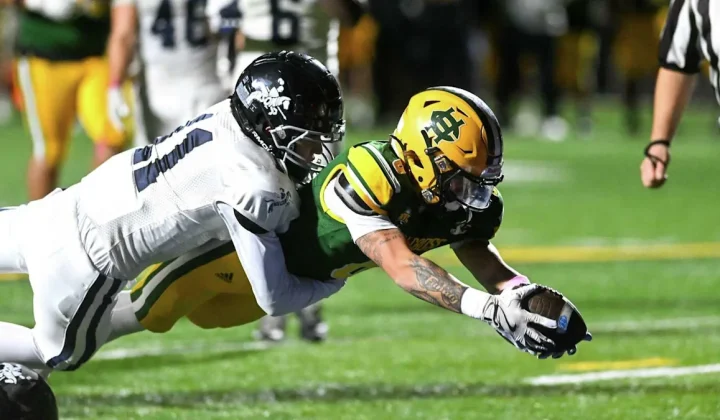
Holy Cross football ends 16-year drought against Ansonia behind Nate Craft’s four touchdowns
The Crusaders overcame a third-quarter deficit to beat Ansonia 48-37, snapping a losing streak that dated back to 2009 and improving to…
Read story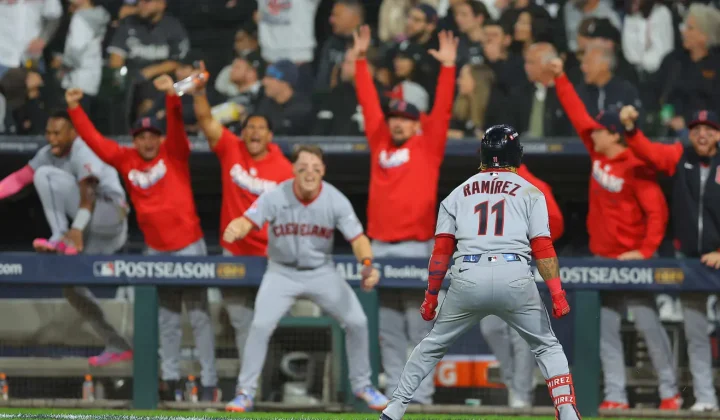
Guardians Force Winner-Take-All ALDS Game 5 With Six-Run Sixth Inning in Chicago
Cleveland scored six runs in the sixth inning to beat the White Sox 9-5 in Game 4 of the ALDS, setting up…
Read story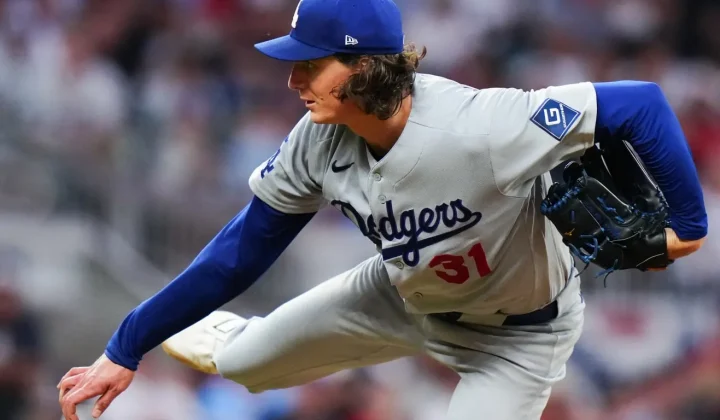
Dodgers Take Commanding 3-1 NLDS Lead Behind Glasnow’s Gritty Outing in Atlanta
Tyler Glasnow battled through command issues but limited Atlanta to one run over 4 2/3 innings as Los Angeles took a 3-1…
Read story
Braves Face Elimination as Dodgers Seek NLCS Berth in Game 4 NLDS Showdown
The Atlanta Braves host the Los Angeles Dodgers in a pivotal Game 4 of the National League Division Series on Wednesday night.…
Read storyRelated wiki

MLB Wild Card Rules Explained: Format, Tiebreakers & Postseason Impact
How the MLB wild card works in the current postseason format, including tiebreaker procedures, the 3-game series structure, and what it means…
Read storyPlayoff race
Reference page for playoff race language, qualification lines, tiebreakers and games-in-hand context.
Read story