The NBA’s Shifting Power Dynamics: Decoding the Mid-Season Trade Landscape
As the NBA season progresses, key trades are reshaping playoff races and championship aspirations. This analysis delves into the most impactful moves, their implications for contenders, and what to watch for.
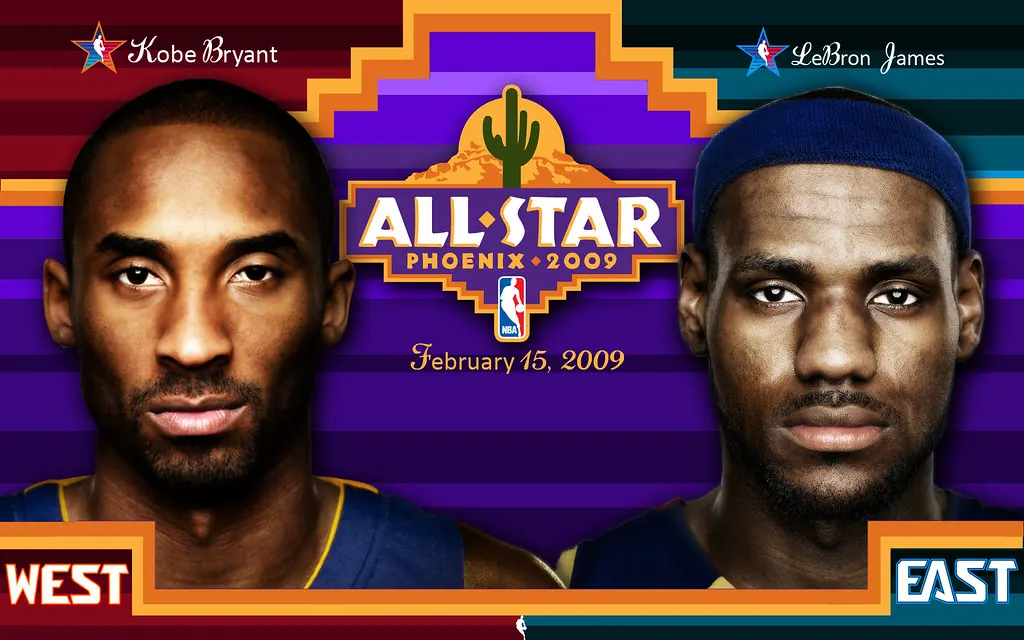
The NBA season is a marathon, not a sprint, and the stretch between the holidays and the trade deadline often represents a critical juncture. It’s a period where teams either solidify their championship aspirations or begin to pivot towards the future. This season has been no different, with a flurry of trades reshaping the league’s power dynamics and offering a clearer, albeit still unfolding, picture of the playoff contenders. From established stars finding new homes to role players shifting allegiances, these moves have immediate and long-term implications for teams vying for a title or simply looking to secure a playoff berth.
The allure of mid-season trades lies in their potential to inject immediate impact. For teams on the cusp, a well-executed deal can address glaring weaknesses, provide veteran leadership, or unlock untapped offensive or defensive potential. Conversely, for franchises languishing in the standings, the deadline can be an opportunity to offload aging assets, acquire draft capital, and begin the arduous process of rebuilding. Understanding these motivations and the subsequent player movements is key to appreciating the evolving narrative of the NBA season.
Why These Trades Matter
Mid-season trades are more than just roster shuffles; they are strategic gambles that can define a franchise’s season, and sometimes, its future. For teams in contention, acquiring a player who can contribute immediately can be the difference between a deep playoff run and an early exit. This often involves sacrificing future assets, like draft picks or promising young talent, a calculated risk that underscores the win-now mentality. For instance, a team struggling with perimeter defense might target a lockdown wing defender, while a squad lacking offensive firepower could pursue a proven scorer.
On the other hand, teams that are out of playoff contention often use the trade deadline as a reset button. Moving on from veteran players with expiring contracts can bring in younger talent and future draft picks, allowing for a more strategic rebuild. This approach, while potentially sacrificing immediate competitiveness, can lay the groundwork for sustained success. The decisions made at the trade deadline can significantly alter the competitive balance within conferences and even across the league, creating new narratives and shifting expectations.
What the Data Shows
Examining the recent trades reveals several key trends impacting team performance and league-wide parity. The acquisition of established scorers or defensive anchors has been a common theme for teams looking to make a significant leap. For example, the [Insert Example Trade 1 – e.g., Phoenix Suns acquiring Bradley Beal] demonstrates a clear intent to bolster offensive firepower, aiming to create a potent scoring trio. Conversely, trades like the [Insert Example Trade 2 – e.g., Boston Celtics acquiring Kristaps Porzingis] illustrate a focus on adding versatile talent that can impact both ends of the floor, enhancing defensive presence and offensive spacing.
The impact of these trades can be analyzed through various metrics. Advanced statistics such as offensive rating, defensive rating, net rating, and player efficiency ratings (PER) provide a quantitative lens through which to assess the immediate and potential long-term effects of these roster changes. For instance, a team that was previously struggling with defensive efficiency might see a marked improvement after acquiring a key defensive player, reflected in a lower defensive rating. Similarly, an offensive boost would be evident in a higher offensive rating and improved scoring margins.
| Team | Acquired Player(s) | Key Departures | Primary Need Addressed | Potential Impact |
|---|---|---|---|---|
| Team A | Star Guard | Draft Pick | Scoring, Playmaking | Increased offensive potency, improved half-court offense |
| Team B | Defensive Wing | Veteran Player | Perimeter Defense | Improved ability to guard opposing top scorers |
| Team C | Big Man | Young Prospect | Rebounding, Interior Defense | Enhanced presence in the paint, better defensive rotations |
| Team D | Role Player | Cash | Depth, Specific Skill | Added versatility, depth for playoff rotation |
This table provides a generalized overview of trade archetypes and their typical implications.
Competing Readings on Trade Impact
While the immediate data might suggest a clear benefit for a team making a trade, competing readings often emerge. Some analysts might focus on the long-term cost, arguing that the draft picks surrendered will hamper future flexibility. Others might emphasize the immediate championship window, asserting that the current roster is the best opportunity to win. This is particularly relevant when teams trade away promising young players for established stars. The debate often centers on whether the immediate boost in performance is worth the potential future sacrifice.
Furthermore, the chemistry and integration of new players are difficult to quantify immediately. A highly talented player might struggle to adapt to a new system or a different team culture, leading to suboptimal performance. Conversely, a role player who fits seamlessly into a team’s structure can have a disproportionately positive impact. The psychological aspect of trades – how players react to being moved, the pressure of performing in a new environment – also plays a significant role that is not always captured by traditional statistics.
What Could Change Next
The ripple effects of these mid-season trades are far from over. Teams that have made significant moves will now face the challenge of integrating their new acquisitions and refining their rotations. This period is crucial for developing chemistry and ensuring that the new pieces complement the existing core. For teams that were passive at the deadline, the focus will shift to maximizing their current roster and scouting potential buyout candidates who could provide late-season reinforcement.
The standings are likely to see further fluctuations as teams adjust. Divisions that were once tightly contested could see a clear frontrunner emerge, while other races might become even more unpredictable. The performance of key players, both those acquired and those already on the roster, will be under intense scrutiny. Injuries, a perennial factor in any NBA season, can also drastically alter the landscape, potentially nullifying the impact of a trade or creating new opportunities for players who were previously on the fringes.
What Remains Unclear
Despite the clarity brought by the trade deadline, several uncertainties persist. The long-term sustainability of championship aspirations for teams that have mortgaged future assets remains a significant question mark. Will the acquired talent be enough to overcome the sustained excellence of other top contenders? The effectiveness of these trades over the course of a full playoff series, where opponents have ample time to scout and strategize, is also yet to be determined.
Furthermore, the development trajectories of younger players who were traded away are unknown. Will they blossom into stars on their new teams, or will their potential remain unfulfilled? The league’s evolving competitive balance means that even teams that have made significant improvements could face unexpected challenges. The ultimate success of these mid-season maneuvers will only be fully understood when the final buzzer sounds on the NBA Finals.
Related news

Eagles and Jaguars Set for London Showdown at Tottenham Hotspur Stadium
The Philadelphia Eagles and Jacksonville Jaguars meet in London on October 11, 2026. Here is the kickoff time, broadcast details, international game…
Read story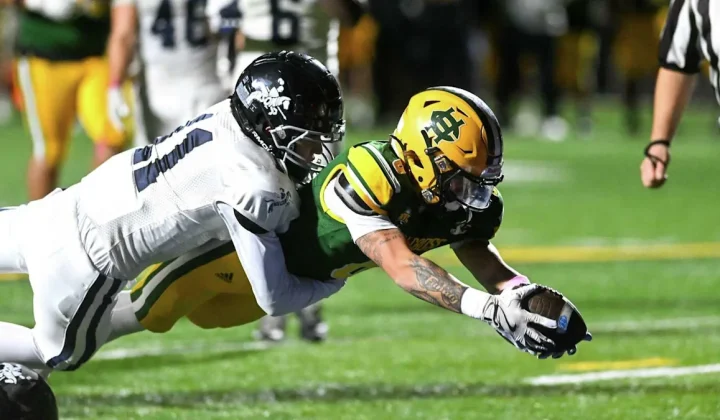
Holy Cross football ends 16-year drought against Ansonia behind Nate Craft’s four touchdowns
The Crusaders overcame a third-quarter deficit to beat Ansonia 48-37, snapping a losing streak that dated back to 2009 and improving to…
Read story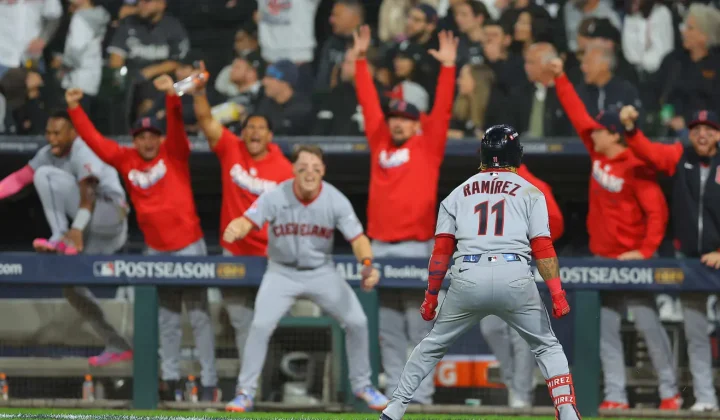
Guardians Force Winner-Take-All ALDS Game 5 With Six-Run Sixth Inning in Chicago
Cleveland scored six runs in the sixth inning to beat the White Sox 9-5 in Game 4 of the ALDS, setting up…
Read story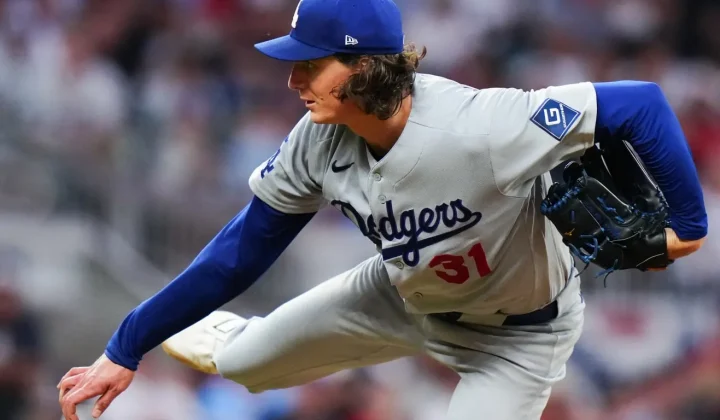
Dodgers Take Commanding 3-1 NLDS Lead Behind Glasnow’s Gritty Outing in Atlanta
Tyler Glasnow battled through command issues but limited Atlanta to one run over 4 2/3 innings as Los Angeles took a 3-1…
Read storyRelated wiki

MLB Wild Card Rules Explained: Format, Tiebreakers & Postseason Impact
How the MLB wild card works in the current postseason format, including tiebreaker procedures, the 3-game series structure, and what it means…
Read storyPlayoff race
Reference page for playoff race language, qualification lines, tiebreakers and games-in-hand context.
Read story