Decoding the Narrative: How Media Bias Shapes Our Understanding of Sports
Beyond the scores and statistics, the way sports news is presented profoundly influences fan perception. This analysis explores the multifaceted nature of media bias in sports reporting, examining its impact, evidence, and implications for the modern fan.


The world of sports is a constant stream of action, results, and drama. Yet, the story we consume – the narrative spun around games, athletes, and leagues – is rarely a purely objective account. Media bias, whether intentional or not, plays a significant role in shaping how fans perceive events, athletes, and even the integrity of the sports they love. Understanding this bias is no longer just an academic pursuit; it’s a fundamental skill for any engaged sports fan seeking to navigate the complex information landscape. This column delves into the multifaceted nature of media bias in sports reporting, exploring why it matters, examining evidence from reputable sources, considering different interpretations of the media’s role, and discussing what factors might influence these narratives in the future, as well as what remains uncertain.
Why Media Bias Matters in Sports
The impact of media bias extends far beyond simple preference or team allegiance. When sports reporting is skewed, it can significantly influence public opinion about athletes and teams, affecting everything from an athlete’s reputation and marketability to fan sentiment and even the perceived fairness of competition. Overly positive coverage can obscure legitimate concerns, while consistently negative portrayals, regardless of on-field performance, can unfairly tarnish an individual’s career. As highlighted by research in Frontiers in Sociology, sports media often centers narratives around athletes, enriching the reading experience through genres like profiles and analyses. This individualization, akin to political marketing, can create “star images” and foster strong emotional connections, sometimes at the expense of objective reporting. The way media frames these stories directly shapes how fans engage with and understand their favorite sports. For instance, a particular player’s slump might be framed as a personal failing rather than a result of tactical challenges or team-wide issues, influencing fan perception and potentially leading to unwarranted criticism.
What the Sources Show: Evidence of Bias
Assessing media bias requires looking at a range of sources, from academic research to media watchdog organizations. While specific to broader news, Media Bias/Fact Check (MBFC) provides a valuable framework for understanding the general bias and factual reporting of various media outlets. The principles of identifying bias—looking for loaded language, selective reporting, and consistent framing—are directly applicable to sports journalism. Different sports media outlets, much like general news organizations, can exhibit varying degrees of political or ideological leanings, which inevitably seep into their sports coverage. This can manifest in subtle ways, such as the emphasis placed on certain storylines or the tone used when discussing particular athletes or teams.
Furthermore, research from Frontiers in Sociology, in articles like “Sports press: an explanatory and identity scheme,” points to how media discourse often centers on athletes as central figures. This narrative construction shapes their public personas through performances, personal stories, and opinions. This focus on individual athletes, while creating compelling content and fostering “star images,” can sometimes overshadow team dynamics, broader sporting issues, or systemic challenges within a sport. The way media outlets choose to highlight or downplay certain aspects of a team’s performance or an athlete’s behavior can create a distorted picture.
A compact table illustrating potential bias indicators:
| Indicator | Description | Example in Sports Media |
|---|---|---|
| Loaded Language | Using emotionally charged words or phrases to evoke a specific reaction. | Describing a team’s loss as a “choke” rather than a “difficult defeat” or a player’s performance as “heroic” vs. “strong.” |
| Selective Reporting | Presenting only facts that support a particular narrative, omitting others. | Focusing heavily on a star player’s positive plays while downplaying their mistakes or the contributions of teammates. |
| Framing | Presenting information in a way that influences interpretation. | Attributing a team’s success solely to the coach’s genius, ignoring player development or strong front-office decisions. |
| Source Prioritization | Relying heavily on select sources that align with a desired narrative. | Quoting only anonymous sources critical of a coach without seeking comments from those who support them. |
| Repetition | Repeatedly emphasizing a particular point or angle to reinforce it. | Continuously highlighting a player’s past controversies, even when their current performance is unrelated. |
Competing Readings: Objectivity vs. Entertainment
One of the key debates surrounding sports media is the balance between objective reporting and the need for entertainment. Some argue that sports media’s primary role is to engage fans, and a degree of narrative construction and emotional appeal is necessary for this. This perspective suggests that while perfect objectivity may be an ideal, the reality of sports media involves crafting compelling stories that resonate with audiences. As the NationalSportsWeb editorial note on its source-backed desk emphasizes, “The news layer follows leagues, teams, athletes, scoreboards, injuries, standings, rankings, trades, tournaments and major event context.” While this aims for comprehensive coverage, the interpretation and presentation of this information can still be influenced.
Conversely, many fans and critics argue for a more rigorous commitment to factual reporting and a critical examination of bias. They contend that while entertainment is important, it should not come at the expense of accuracy or fairness. The increasing reliance on data and analytics in sports, as discussed in “The Evolving Landscape of Sports Media Consumption: Data, Trends, and…”, offers a counterpoint to purely narrative-driven reporting. Data provides a more objective foundation, but even data can be selectively presented or interpreted to support a particular narrative. The challenge lies in integrating these objective signals with engaging storytelling without succumbing to undue bias.
What Could Change Next and What Remains Unclear
The sports media landscape is continually evolving. The rise of social media and direct-to-fan platforms has created new avenues for athlete and team communication, sometimes bypassing traditional media gatekeepers. This can lead to more unfiltered content but also presents its own set of challenges regarding authenticity and verification. Consumer intelligence, as noted in “The Evolving Landscape of Sports Media: Navigating Bias and Influence,” means that content is increasingly tailored to specific audience segments. This could lead to echo chambers where fans are primarily exposed to information that confirms their existing beliefs, potentially exacerbating the impact of bias.
What remains unclear is the long-term impact of these converging forces. Will the emphasis on data and authenticated sources lead to a more objective sports media, or will the drive for engagement and personalized content further entrench biased narratives? The future of sports reporting will likely depend on the ability of media organizations to balance the demands of entertainment and audience engagement with a steadfast commitment to journalistic integrity. For fans, developing critical media literacy skills—questioning sources, seeking multiple perspectives, and understanding common bias indicators—will be paramount in discerning fact from fiction in the ever-evolving world of sports narratives.
As fans, the most practical next step is to cultivate a critical approach to sports consumption. This involves actively seeking out diverse sources, being aware of the potential for bias in every report, and understanding that the narrative presented is often only one piece of a larger, more complex story.
Related news

Eagles and Jaguars Set for London Showdown at Tottenham Hotspur Stadium
The Philadelphia Eagles and Jacksonville Jaguars meet in London on October 11, 2026. Here is the kickoff time, broadcast details, international game…
Read story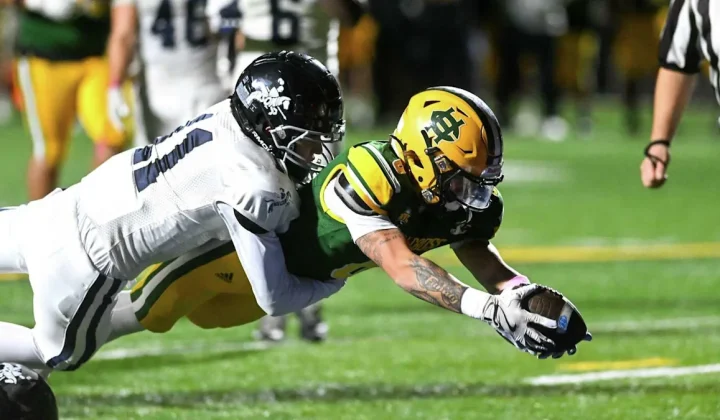
Holy Cross football ends 16-year drought against Ansonia behind Nate Craft’s four touchdowns
The Crusaders overcame a third-quarter deficit to beat Ansonia 48-37, snapping a losing streak that dated back to 2009 and improving to…
Read story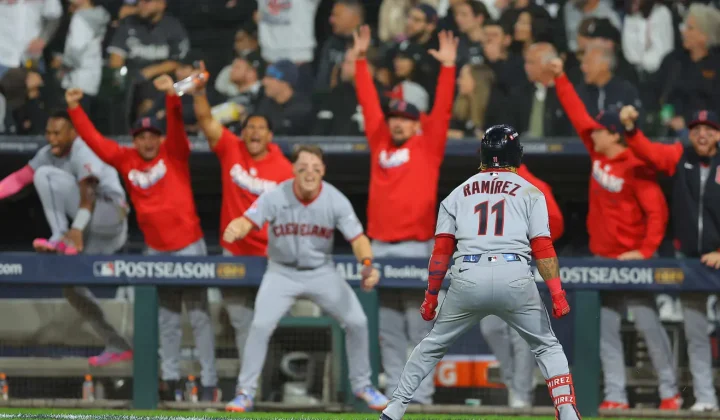
Guardians Force Winner-Take-All ALDS Game 5 With Six-Run Sixth Inning in Chicago
Cleveland scored six runs in the sixth inning to beat the White Sox 9-5 in Game 4 of the ALDS, setting up…
Read story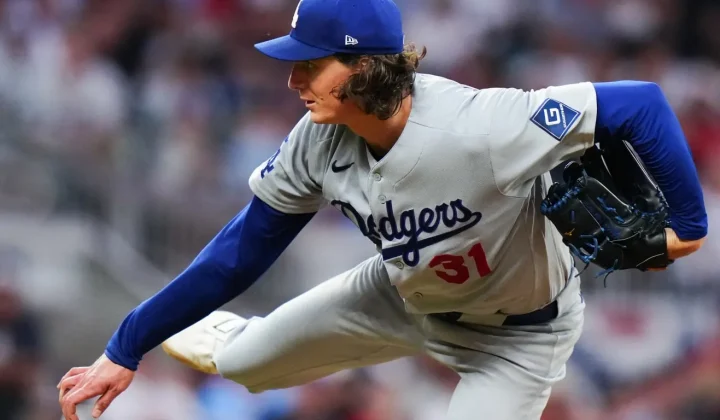
Dodgers Take Commanding 3-1 NLDS Lead Behind Glasnow’s Gritty Outing in Atlanta
Tyler Glasnow battled through command issues but limited Atlanta to one run over 4 2/3 innings as Los Angeles took a 3-1…
Read storyRelated wiki

MLB Wild Card Rules Explained: Format, Tiebreakers & Postseason Impact
How the MLB wild card works in the current postseason format, including tiebreaker procedures, the 3-game series structure, and what it means…
Read storyPlayoff race
Reference page for playoff race language, qualification lines, tiebreakers and games-in-hand context.
Read story