English Speakers Embrace Spanish World Cup Broadcasts for Unique Viewing Experience
A growing number of English-speaking viewers in the U.S. are opting for Spanish-language World Cup broadcasts on Telemundo, drawn by factors like iconic announcer calls, uninterrupted coverage during breaks, and a more engaging broadcast style.

English-speaking soccer fans in the United States are increasingly turning to Spanish-language broadcasts, particularly on Telemundo, to follow the World Cup. This trend highlights a unique cultural intersection where language barriers are overcome for a preferred viewing experience.
A Growing Phenomenon
Ashleigh Hallam, an English as a Second Language teacher from Indiana, exemplifies this trend. She finds herself watching World Cup matches on Telemundo, even with limited Spanish comprehension. “I can’t really understand everything they’re saying on Telemundo because they’re speaking in Spanish,” Hallam admitted. “But you understand what’s going on.” Her sentiment is shared by a significant portion of U.S. viewers.
While the Hispanic population in the U.S. constitutes about 20%, Nielsen ratings indicate that nearly half of World Cup viewers in the country have watched at least some matches in Spanish. This is despite English-language broadcasts being readily available on Fox and FS1, with streaming options such as Fox One and Peacock also offering comprehensive coverage.
Factors Driving the Switch
Several factors are contributing to the appeal of Spanish-language broadcasts. One prominent reason is the captivating call of famed broadcaster Andrés Cantor, particularly his iconic “¡goooooool!” cry. Additionally, Telemundo’s decision not to cut away for commercials during hydration breaks, a practice common in English broadcasts, has been praised by viewers. Many simply find the Spanish-language broadcasts more entertaining and engaging.
Cost can also be a factor. Peacock, which includes Telemundo, is often seen as a more affordable streaming option compared to Fox One. Jackson Braunius from Michigan, who speaks minimal Spanish, shared his observation: “When they’re not talking too loud, nothing is happening. When they get loud, there’s a chance. When they get real loud, it’s probably going to be a goal.” This intuitive understanding of the broadcast’s energy level resonates with many.
Comedian Trevor Noah has also noted this shift, hosting World Cup watch parties on YouTube and opting for Spanish-language feeds. He specifically cited the issue of commercial breaks during hydration breaks as a reason for switching. “We’re seeing the players on the pitch discussing what’s happening. You see which coach is more stressed. Some players are tapping each other on the back. This is part of the game,” Noah explained on a YouTube stream. “I feel like when you cut to ads, you lose this — you lose the stress, you lose the joy, the anticipation.”
Broadcaster Reaction and Future Implications
Telemundo has acknowledged and appreciated the praise from English-speaking viewers and figures like Noah. The success of this viewership trend suggests a robust market for both English and Spanish sports broadcasting. This could potentially lead to a bidding war for the 2030 World Cup rights, with reports indicating that English and Spanish broadcasting rights might be bundled together in future deals, a departure from the separate arrangements for the current tournament.
Record Viewership
The World Cup has already seen record-breaking viewership in the U.S. The Belgium-U.S. match alone peaked at around 41 million viewers, making it the most-watched soccer telecast in U.S. history. When combined with Telemundo’s viewership, the average viewership for that game reached approximately 45 million, rivaling major sporting events like the Super Bowl.
William Kennedy of Miami, whose wife is Colombian, also finds himself watching on Telemundo even though he only knows enough Spanish to order food. He expressed a preference for the Spanish commentary’s excitement, even when the game isn’t directly involving Colombia. “When the American commentators are doing the game, I don’t know what game they’re watching. I just don’t,” Kennedy stated. “I’d rather get the excitement in Spanish because essentially what happens is they’re talking, and then they’re talking really, really fast, and then they’re getting loud and your brain is just like, ‘Oh, something’s happening — even if I don’t know what’s happening.’”
Hallam, who has become a dedicated soccer fan and a viewer of Spanish broadcasts, sees the World Cup as a way to connect with her Spanish-speaking students and plans to continue this viewing habit beyond the tournament. “It’s just very comforting,” she said. “We’re really enjoyed it and I hope we get to continue. The next World Cup, we’re going to watch it just like this.”
Key facts
| Detail | Information |
|—|—|
| Trend | English speakers watching World Cup in Spanish on Telemundo |
| Key Drivers | Iconic announcers, uninterrupted breaks, engaging style, cost |
| Viewership Peak | 41 million viewers for Belgium-U.S. match on Fox |
| Combined Viewership | ~45 million average for Belgium-U.S. match (Fox & Telemundo) |
This development highlights the evolving landscape of sports consumption in the U.S., where diverse audiences are seeking unique and engaging ways to experience major sporting events, often transcending language preferences.
Source: Yahoo Sports, https://sports.yahoo.com/articles/language-english-speakers-tuning-world-044729161.html
Datos clave
| Punto | Detalle |
|---|---|
| Fuente | Yahoo Sports |
| Fecha | 2026-07-10T04:47:29+00:00 |
| Tema | In any language: English speakers are tuning into World Cup broadcasts in Spanish |
Source
Yahoo Sports Original publication: 2026-07-10T04:47:29+00:00
Related news
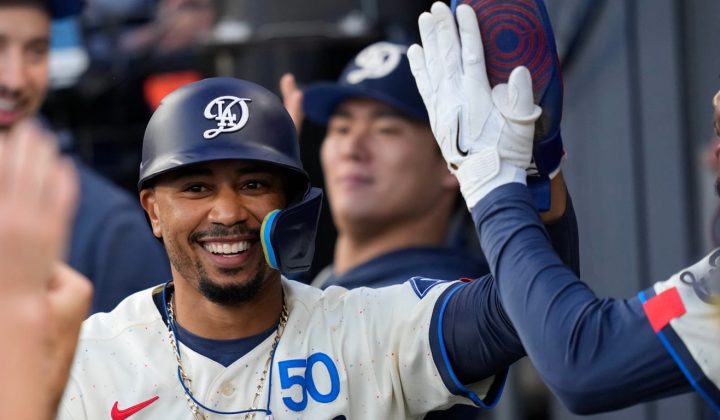
Mookie Betts Powers Dodgers Past Giants in Key Late-Season Win
Mookie Betts delivered a four-hit performance, including three doubles, as the Los Angeles Dodgers defeated the San Francisco Giants 10-4 on Saturday…
Read story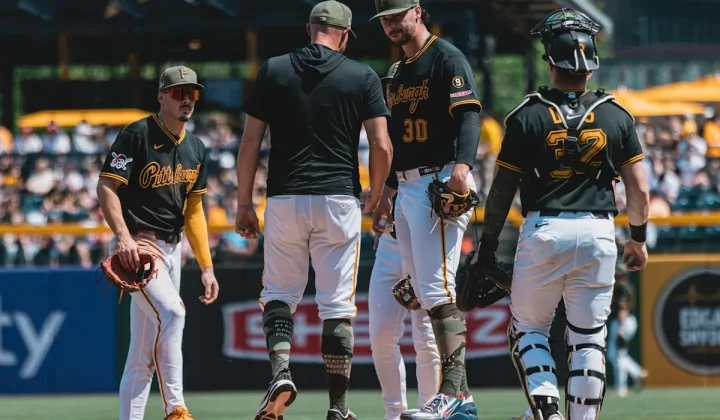
Pirates Eliminated From Playoff Contention Despite Offensive Surge in 2026
The Pittsburgh Pirates have been mathematically eliminated from the MLB postseason for the 11th consecutive year. Despite a vastly improved offense that…
Read story
Jamie Carragher’s High Praise Puts Daniel Munoz in Rare Premier League Company
The Nottingham Forest and Colombia defender received a remarkable endorsement from the Sky Sports pundit after his performance against Aston Villa, sparking…
Read story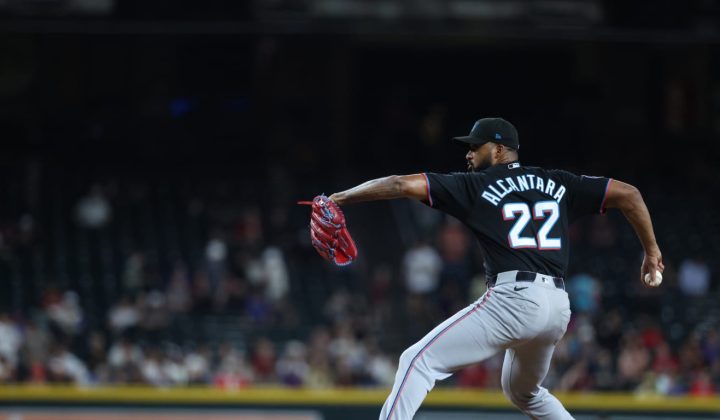
Sandy Alcantara Records First Career Save in Marlins Bullpen Appearance
Miami ace Sandy Alcantara earned his first career save Wednesday night, working a scoreless ninth inning in a 4-3 win over the…
Read storyRelated wiki

MLB Wild Card Rules Explained: Format, Tiebreakers & Postseason Impact
How the MLB wild card works in the current postseason format, including tiebreaker procedures, the 3-game series structure, and what it means…
Read storyPlayoff race
Reference page for playoff race language, qualification lines, tiebreakers and games-in-hand context.
Read story