The Growing Impact of Player Availability on NBA Playoff Races
As the NBA season intensifies, the availability of key players is becoming a critical factor in shaping the playoff picture. This analysis explores how injuries and roster changes are influencing team performance and the competitive landscape.
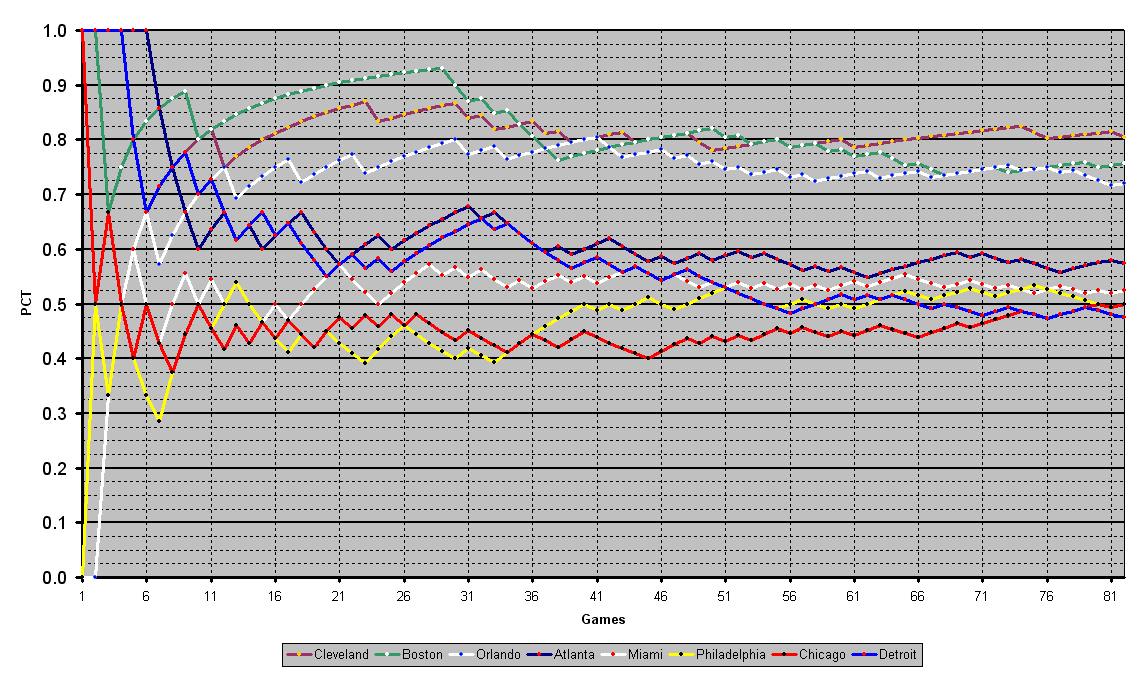
The NBA playoff race is a dynamic and often unpredictable journey, but as the season progresses, one factor consistently emerges as a significant determinant of success: player availability. Beyond strategic coaching and team chemistry, the presence or absence of key players due to injury, rest, or disciplinary action can dramatically alter a team’s trajectory and, consequently, the entire playoff picture. This column delves into the intricate relationship between player availability and the NBA’s postseason battles, examining how these factors shape standings, influence team performance, and present strategic challenges for franchises aiming for championship contention.
Why Player Availability Matters in the NBA Playoff Race
The NBA is a league built on the performances of its star players. While a strong supporting cast is crucial, the absence of a team’s primary scorer, playmaker, or defensive anchor can be devastating. This impact is amplified in a sport where games are played with high intensity and frequency, leading to a greater likelihood of injuries. For teams vying for playoff spots, especially those in tightly contested races, even a short-term absence of a crucial player can mean dropping crucial games and losing valuable ground. Conversely, a team that manages to keep its core healthy and available often finds itself in a more advantageous position as the postseason approaches. The “next man up” mentality is a common refrain, but the reality is that replicating the production and impact of an All-Star caliber player is an immense challenge. Understanding the nuances of player availability is therefore essential for grasping the true state of the playoff race.
What the Data Shows About Availability and Performance
Analyzing team performance in relation to player availability reveals a clear correlation. Websites like ESPN and official NBA team pages provide real-time updates on injuries, roster changes, and player statuses, offering a granular view of which teams are operating at full strength and which are not. For instance, a team that consistently features its top five players on the court will naturally have a higher probability of consistent wins compared to a team that is frequently without one or more of its starters.
Consider the impact of a significant injury to a team’s leading scorer. This not only affects the team’s offensive output but can also lead to increased defensive pressure on remaining players, potentially leading to fatigue and more injuries. The NBA’s official injury report, a critical resource for understanding player availability, often highlights these challenges. When teams are forced to rely on deeper rotations or less experienced players, their overall effectiveness can diminish, directly impacting their standing in the league. Furthermore, schedule congestion, a perennial issue in the NBA, exacerbates the problem, as teams play multiple games in short periods, increasing the risk of overexertion and injury.
Competing Readings: Strategy vs. Luck
The debate often arises whether a team’s success in managing player availability is a testament to superior strategic planning or simply good fortune. On one hand, teams with robust sports science programs, comprehensive training staffs, and a proactive approach to load management are arguably better equipped to minimize injuries. Organizations that invest in analytics to predict player fatigue and injury risk, and then implement strategies to mitigate these risks, are demonstrating a strategic advantage. For example, teams might strategically rest key players during less critical games or adjust practice intensity based on player metrics.
On the other hand, injuries can be unpredictable and indiscriminate. A freak accident or an awkward landing can sideline a star player regardless of how well a team has prepared. This element of luck plays an undeniable role. Teams that experience fewer significant injuries often find themselves with a more stable performance graph, allowing them to build momentum and solidify their playoff positioning. However, even with bad luck, a team’s depth and the coaching staff’s ability to adapt can mitigate some of the negative consequences.
What Could Change Next Based on Availability
The ongoing nature of player availability means that the playoff landscape is perpetually in flux. A team that might be comfortably in a playoff spot today could find itself battling for a play-in spot if its star player suffers a season-ending injury. Conversely, a team that has been struggling might see a dramatic turnaround with the return of key personnel.
The upcoming schedule also plays a significant role. Teams facing a grueling stretch of games with multiple opponents also vying for playoff positioning can see their availability issues magnified. For example, if a team is missing its primary defender against an opponent with a potent offense, the outcome of that game could have significant implications for tiebreakers and final standings. This is where understanding the “games in hand” concept, often discussed in playoff race analyses, becomes critical. A team with fewer games played might have an advantage if it can bring its full roster to bear in those remaining contests.
What Remains Unclear and Requires Confirmation
Despite the wealth of data available, predicting the precise impact of future player availability remains challenging. While official injury reports provide current status, the timeline for a player’s return can be fluid and subject to change. Furthermore, the psychological impact of a star player’s absence on the rest of the team, and the potential for a player to be less effective upon returning from injury, are difficult to quantify.
The long-term effects of player load management strategies are also still being studied. While intended to prevent injuries, an over-reliance on resting players could potentially lead to a loss of game rhythm or impact team chemistry. Confirmation of these long-term effects will likely come through continued observation and analysis of player and team performance over multiple seasons.
Player Availability Impact on Playoff Standings (Hypothetical Example)
| Team | Key Player(s) Out | Projected Standings Change | Reason |
|---|---|---|---|
| Eastern Contender A | Star Guard | -2 positions | Loss of primary offensive threat and playmaker |
| Western Contender B | Defensive Anchor | -1 position | Weakened defense against strong offensive teams |
| Eastern Long Shot C | Multiple Starters | -3 positions | Inability to compete consistently without core |
| Western Dark Horse D | Depth Player Return | +1 position | Improved rotation and offensive firepower |
Ultimately, player availability is a critical, albeit often uncontrollable, variable in the NBA playoff race. While teams can strategize to mitigate risks, the unpredictable nature of injuries ensures that the availability of talent will continue to be a defining narrative as teams fight for postseason glory. Readers should consistently check official league and team resources for the most up-to-date information on player status to fully understand the evolving playoff picture.
Related news

South Alabama Jaguars to Face Loyola Marymount in Pensacola Coastal Classic
The South Alabama Jaguars men's basketball team is set to face the Loyola Marymount Lions in the Coastal Classic on Nov. 12…
Read story
Cavanaugh, Devers Power Giants to 3-1 Win Over Reds
Drew Cavanaugh collected three hits and two RBI, and Rafael Devers added a solo home run as the San Francisco Giants beat…
Read story
Former Jaguars Pro Bowl WR Allen Robinson II Announces Retirement at 33
Allen Robinson II, who posted one of the best single seasons in Jacksonville history in 2015, announced his retirement from the NFL…
Read story
Oklahoma Legend Jamelle Holieway Released from Hospital, Recovering at Home After Health Scare
The 1985 national championship quarterback is home and on the road to recovery after a period of concern that brought together the…
Read storyRelated wiki

MLB Wild Card Rules Explained: Format, Tiebreakers & Postseason Impact
How the MLB wild card works in the current postseason format, including tiebreaker procedures, the 3-game series structure, and what it means…
Read storyPlayoff race
Reference page for playoff race language, qualification lines, tiebreakers and games-in-hand context.
Read story