Argentina Faces FIFA Scrutiny Over Falklands Banner After England Victory
FIFA is investigating potential disciplinary action against Argentina's football association after players displayed a banner referencing the Falkland Islands following their World Cup semi-final win over England.
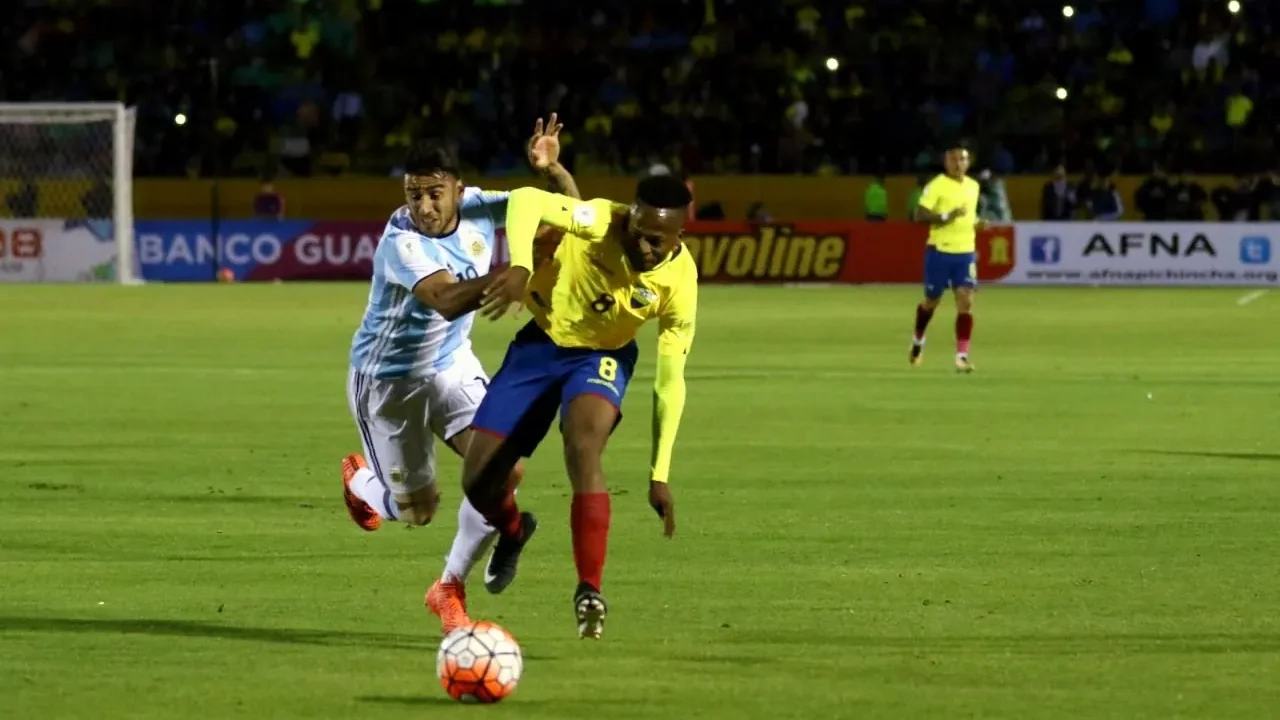
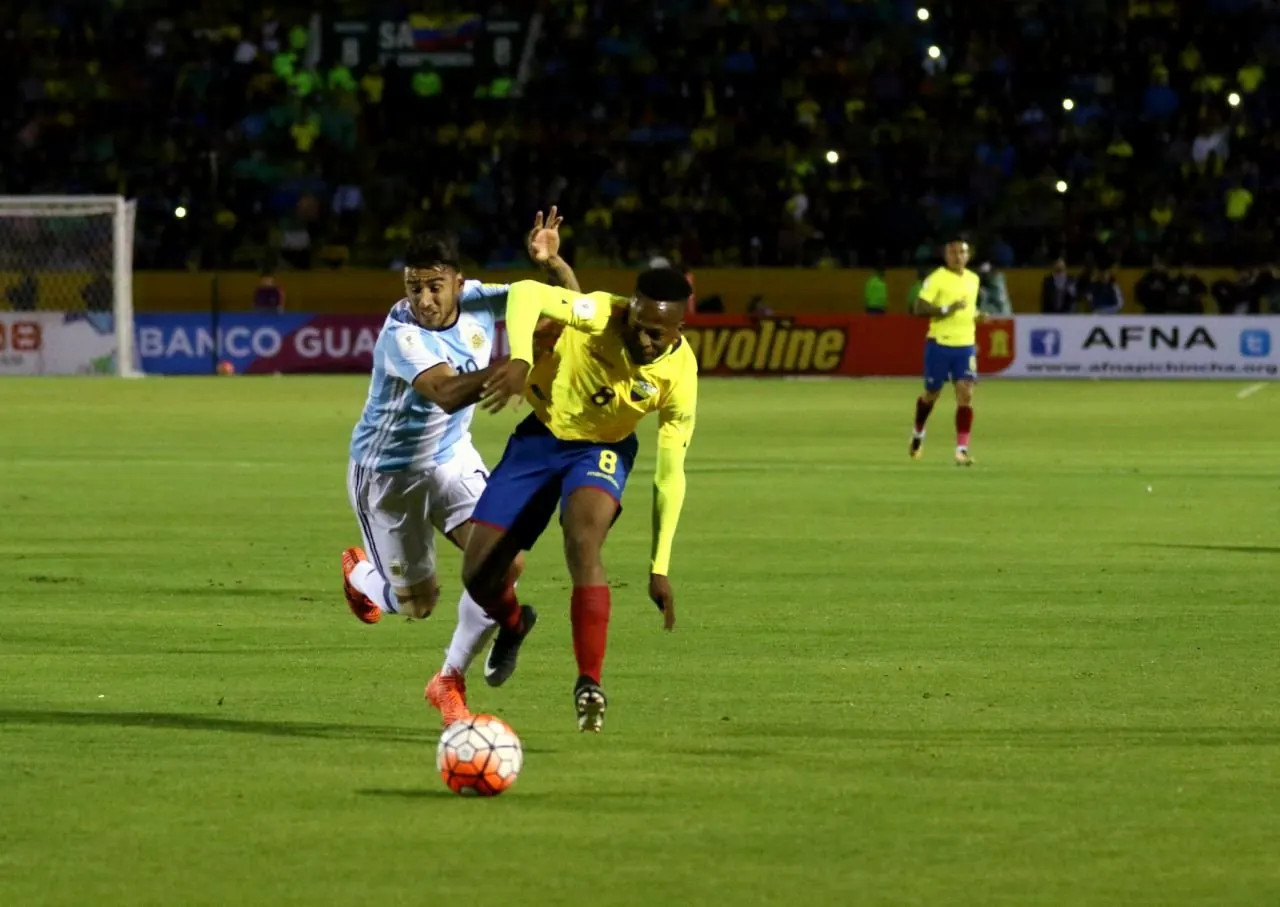
FIFA is reportedly reviewing disciplinary action against the Argentine Football Association (AFA) following a controversial banner displayed by players after their World Cup semi-final victory against England. The team, who came from behind to secure a 2-1 win, advanced to the final against Spain.
Post-match celebrations saw several Argentine players, including Giovani Lo Celso, pictured with a banner stating “Las Malvinas son Argentinas,” which translates to “The Falklands are Argentine.” This display has ignited scrutiny from football’s governing body.
Political Tensions and Historical Context
The Falkland Islands, an Atlantic archipelago, are a British overseas territory but are claimed by Argentina. The dispute led to a conflict in 1982, resulting in significant casualties on both sides. The presence of such political messaging at a major sporting event has drawn criticism.
This is not the first time the AFA has faced consequences for similar actions. In 2014, the organization was fined £20,000 by FIFA after Argentina’s players displayed a banner with the same message following a friendly match against Slovenia. At that time, FIFA cited breaches of rules concerning political action and team misconduct. Throughout the current World Cup, Argentine fans have also been heard chanting songs referencing the islands.
Official Reaction
British government minister Peter Kyle expressed disappointment with the banner. Speaking to Sky News, he stated, “I had left and gone to bed before the banner came onto the pitch, but I saw the images this morning, and of course, it’s entirely inappropriate. Politics should stay away from football. That is a very clear principle of the World Cup.” He indicated that any repercussions would be a decision for FIFA. FIFA has been contacted for comment on the matter.
Potential FIFA Actions
FIFA’s Disciplinary Code prohibits political slogans, statements, or images in stadiums and on players’ equipment. Article 4 of FIFA’s Code of Conduct explicitly states that discrimination on any grounds, including national origin, is forbidden. Violations can result in fines, suspensions, or other sanctions, depending on the severity and context of the offense. The governing body will likely review the incident against these regulations to determine any appropriate disciplinary measures.
The outcome of FIFA’s review remains to be seen, but the incident highlights the ongoing tension between political claims and the sporting arena, particularly in the context of major international tournaments like the World Cup. Argentina is scheduled to face Spain in the World Cup final.
Key facts
| Fact | Detail |
|—|—|
| Incident | Argentina players displayed a banner referencing the Falkland Islands after a World Cup semi-final win. |
| Banner message | “Las Malvinas son Argentinas” (The Falklands are Argentine). |
| Previous FIFA action | AFA fined £20,000 in 2014 for a similar banner. |
| Governing body | FIFA is reviewing the incident for potential disciplinary action. |
This development is relevant to NationalSportsWeb readers as it touches upon the intersection of sports and political controversies, a recurring theme in international football. The potential sanctions from FIFA could impact the Argentine team and highlight the strict regulations governing political expression within sporting events.
Source: Yahoo Sports – https://sports.yahoo.com/articles/punishment-could-argentina-face-falklands-071055581.html
Datos clave
| Punto | Detalle |
|---|---|
| Fuente | Yahoo Sports |
| Fecha | 2026-07-16T07:10:55+00:00 |
| Tema | What punishment could Argentina face for Falklands banner after England win? |
Source
Yahoo Sports Original publication: 2026-07-16T07:10:55+00:00
Related news
Mookie Betts Powers Dodgers Past Giants in Key Late-Season Win
Mookie Betts delivered a four-hit performance, including three doubles, as the Los Angeles Dodgers defeated the San Francisco Giants 10-4 on Saturday…
Read story
Pirates Eliminated From Playoff Contention Despite Offensive Surge in 2026
The Pittsburgh Pirates have been mathematically eliminated from the MLB postseason for the 11th consecutive year. Despite a vastly improved offense that…
Read story
Jamie Carragher’s High Praise Puts Daniel Munoz in Rare Premier League Company
The Nottingham Forest and Colombia defender received a remarkable endorsement from the Sky Sports pundit after his performance against Aston Villa, sparking…
Read story
Sandy Alcantara Records First Career Save in Marlins Bullpen Appearance
Miami ace Sandy Alcantara earned his first career save Wednesday night, working a scoreless ninth inning in a 4-3 win over the…
Read storyRelated wiki

MLB Wild Card Rules Explained: Format, Tiebreakers & Postseason Impact
How the MLB wild card works in the current postseason format, including tiebreaker procedures, the 3-game series structure, and what it means…
Read storyPlayoff race
Reference page for playoff race language, qualification lines, tiebreakers and games-in-hand context.
Read story