The Unseen Impact of Injuries on NBA Playoff Races
As the NBA season progresses, key injuries can dramatically reshape playoff aspirations. This analysis delves into how player availability influences standings, team performance, and the competitive landscape.


The NBA season is a marathon, not a sprint, and the narrative often revolves around star performances, tactical evolutions, and the sheer will of teams to secure a playoff berth. However, lurking beneath the surface of standings and statistics is a potent, often decisive, factor: player availability. As the crucial stretch of the regular season unfolds, injuries to key players can act as seismic shifts, altering the trajectory of playoff races and redefining the competitive balance for contenders and dark horses alike. This analysis will explore the multifaceted impact of injuries on NBA playoff races, examining how individual absences ripple through team performance, strategic approaches, and the ultimate fate of season-long aspirations.
Why This Matters Now
The NBA playoff picture is rarely static. While some teams establish early dominance, the majority jockey for position throughout the long season. The final weeks are often characterized by intense competition, where every win and loss carries significant weight. During this period, the health of a team’s roster becomes paramount. A single significant injury can dismantle offensive chemistry, expose defensive weaknesses, or force a team to rely on less experienced talent. Understanding the impact of these absences is crucial for fans and analysts seeking to comprehend the evolving landscape of the league and make informed assessments about which teams are truly built for a deep playoff run. The difference between a championship contender and an early playoff exit can, more often than not, be traced back to the health of its most vital players.
What Sources Show
Examining recent NBA seasons reveals a consistent pattern: teams that manage to maintain roster health often gain a significant advantage in the playoff push. For instance, the 2022-2023 season saw the Philadelphia 76ers navigate a period without Joel Embiid due to injury, demonstrating their resilience but also highlighting the challenges of sustained success without their MVP. Conversely, teams like the Boston Celtics, who largely stayed healthy during critical junctures, were able to solidify their top seed.
Official league websites, such as NBA.com, provide injury reports that are updated daily, offering a real-time look at player availability. These reports are fundamental for understanding the immediate impact on a team’s lineup for upcoming games. Beyond official reports, reputable sports media outlets like ESPN and The Athletic offer in-depth analysis of how these absences affect team performance. For example, a study by ESPN might correlate a star player’s absence with a team’s defensive rating or offensive efficiency decline, providing quantitative evidence of their importance.
Data from sources like Basketball-Reference.com can further illuminate these trends by allowing for the analysis of team statistics with and without specific players. Looking at metrics such as point differential, net rating, and win percentage during periods of a player’s absence versus their presence can offer concrete evidence of an injury’s impact. For example, one might find that a team’s defensive efficiency drops by a significant margin when their primary rim protector is sidelined.
Competing Readings
While the impact of injuries is often seen through a purely negative lens, there are other perspectives. Some argue that adversity breeds resilience and can galvanize a team. An injury to a star player can create opportunities for role players to step up, potentially developing new offensive options or deepening the team’s overall talent pool. This “next man up” mentality, while challenging, can sometimes lead to unexpected positive outcomes.
Furthermore, the timing of an injury can also influence its perceived impact. An injury early in the season might allow a team ample time to adjust and adapt, whereas a late-season or playoff injury to a crucial player can be devastating, leaving little room for recovery or strategic recalibration. The psychological impact on a team also plays a role; a prolonged absence of a leader can affect team morale, while a short-term absence might simply require a temporary adjustment. The narrative surrounding a team’s struggles can also be influenced by the public perception of their injury woes, sometimes masking underlying strategic deficiencies.
What Could Change Next
The immediate future for teams dealing with significant injuries hinges on several factors. The recovery timelines for injured stars are paramount. A swift return can reignite a team’s playoff hopes, while a lengthy absence or a career-altering injury can signal the end of contention for that season.
Team management’s response to injuries is also critical. This could involve aggressive trade deadline moves to acquire depth or a pivot towards a youth movement if the playoff window appears to have closed. The effectiveness of these strategic decisions will shape a team’s performance in the latter half of the season. For example, a team might trade for a veteran defender to compensate for the loss of a key defensive player, or they might promote a young prospect to gain valuable experience.
The competitive landscape itself is dynamic. As one team falters due to injuries, other teams in similar standing might capitalize, moving up the standings and altering the playoff matchups. The ripple effect of these changes can create new, unexpected rivalries and shift the perceived strengths of various conference contenders.
What Remains Unclear
Despite the data and analysis, definitively quantifying the exact impact of every injury remains a challenge. Isolating the sole effect of an injury from other contributing factors—such as coaching strategy, schedule difficulty, or even sheer luck—is complex. While statistical correlations can be strong, they rarely tell the complete story.
The long-term implications of certain injuries, particularly those involving wear and tear or recurring issues, are also difficult to predict. Will a player return to their previous form, or will the injury have a lasting impact on their performance and durability? The mental fortitude required to overcome significant injuries and return to peak performance is also an intangible element that is hard to measure.
Finally, the element of surprise remains. A player might be deemed out for an extended period, only to make a surprisingly rapid return, or a seemingly minor injury could linger and prove more troublesome than initially anticipated. These unpredictable variables ensure that the NBA playoff race, even with the aid of extensive data, will always retain an element of uncertainty.
| Team (Hypothetical) | Key Player Injured | Duration of Absence (Est.) | Team Record During Absence | Impact on Standings |
|---|---|---|---|---|
| Warriors | Stephen Curry | 4-6 Weeks | 5-8 | Drop from 4th to 7th seed |
| Lakers | LeBron James | 2-3 Weeks | 4-5 | Remain 8th seed |
| Celtics | Kristaps Porzingis | 1-2 Weeks | 2-1 | Maintain 1st seed |
| Mavericks | Luka Dončić | 1 Week (minor) | 2-0 | Remain 5th seed |
Related news
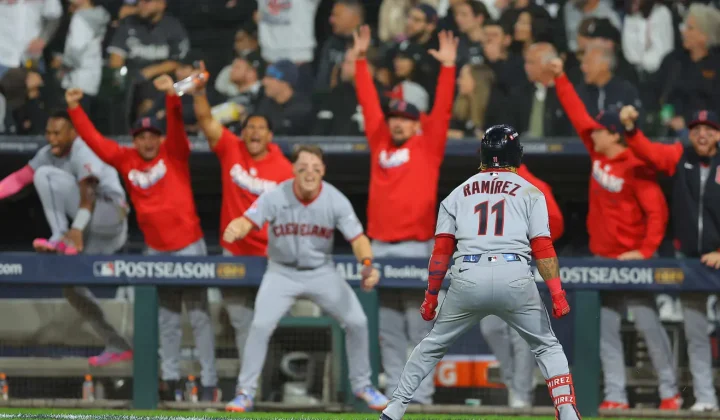
Guardians Force Winner-Take-All ALDS Game 5 With Six-Run Sixth Inning in Chicago
Cleveland scored six runs in the sixth inning to beat the White Sox 9-5 in Game 4 of the ALDS, setting up…
Read story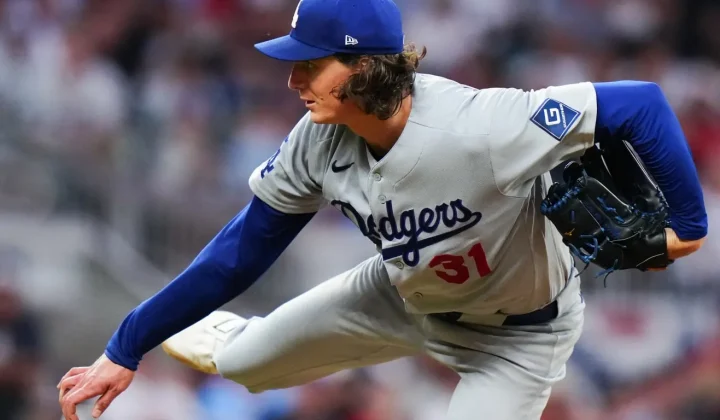
Dodgers Take Commanding 3-1 NLDS Lead Behind Glasnow’s Gritty Outing in Atlanta
Tyler Glasnow battled through command issues but limited Atlanta to one run over 4 2/3 innings as Los Angeles took a 3-1…
Read story
Braves Face Elimination as Dodgers Seek NLCS Berth in Game 4 NLDS Showdown
The Atlanta Braves host the Los Angeles Dodgers in a pivotal Game 4 of the National League Division Series on Wednesday night.…
Read story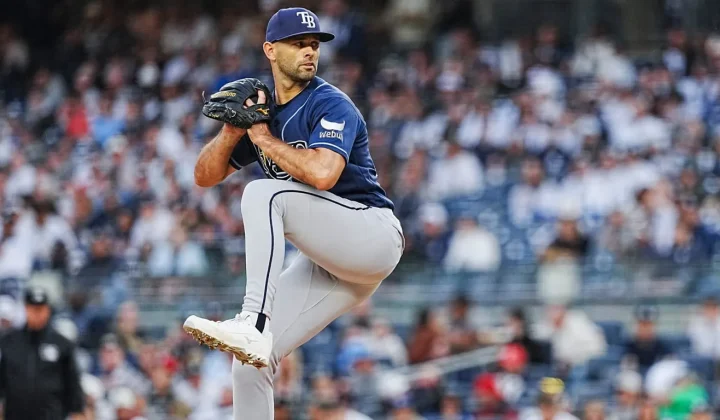
Nick Martinez Returns to Yankee Stadium as Rays Seek ALDS Sweep in Game 3
Tampa Bay right-hander Nick Martinez, who once got ejected from Yankee Stadium as a college fan, starts ALDS Game 3 against New…
Read storyRelated wiki

MLB Wild Card Rules Explained: Format, Tiebreakers & Postseason Impact
How the MLB wild card works in the current postseason format, including tiebreaker procedures, the 3-game series structure, and what it means…
Read storyPlayoff race
Reference page for playoff race language, qualification lines, tiebreakers and games-in-hand context.
Read story