NFL Week 1 Odds Movement: What’s Shaking the Market for the Season Opener?
As the NFL season kicks off, several factors are influencing betting market shifts for Week 1 matchups. Understanding these dynamics can provide valuable context for fans and bettors alike.
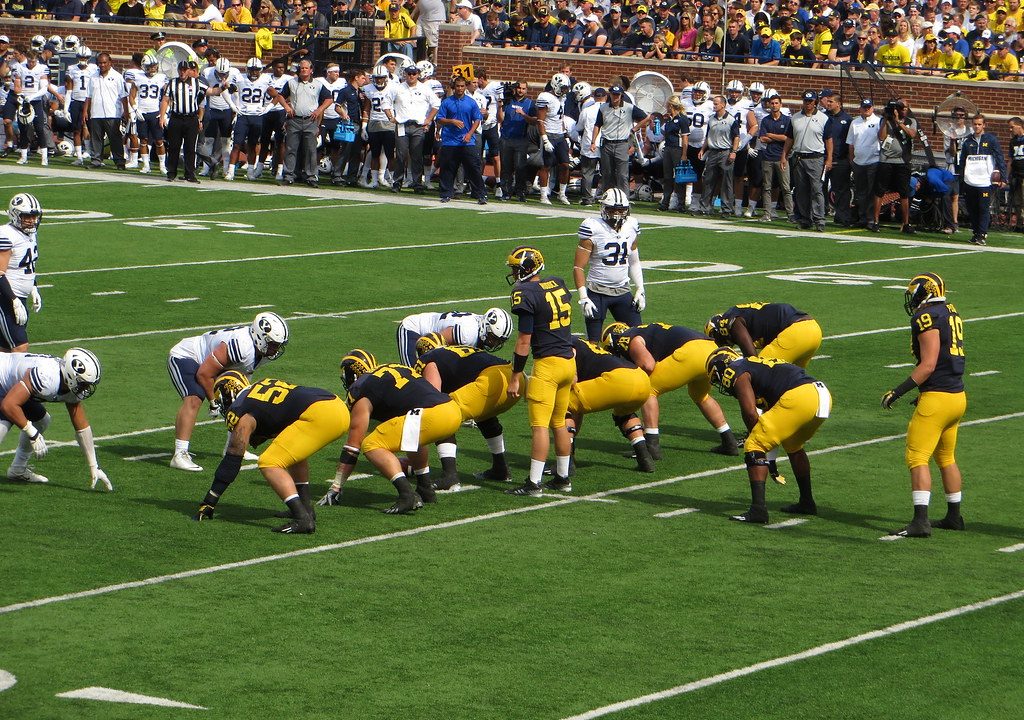
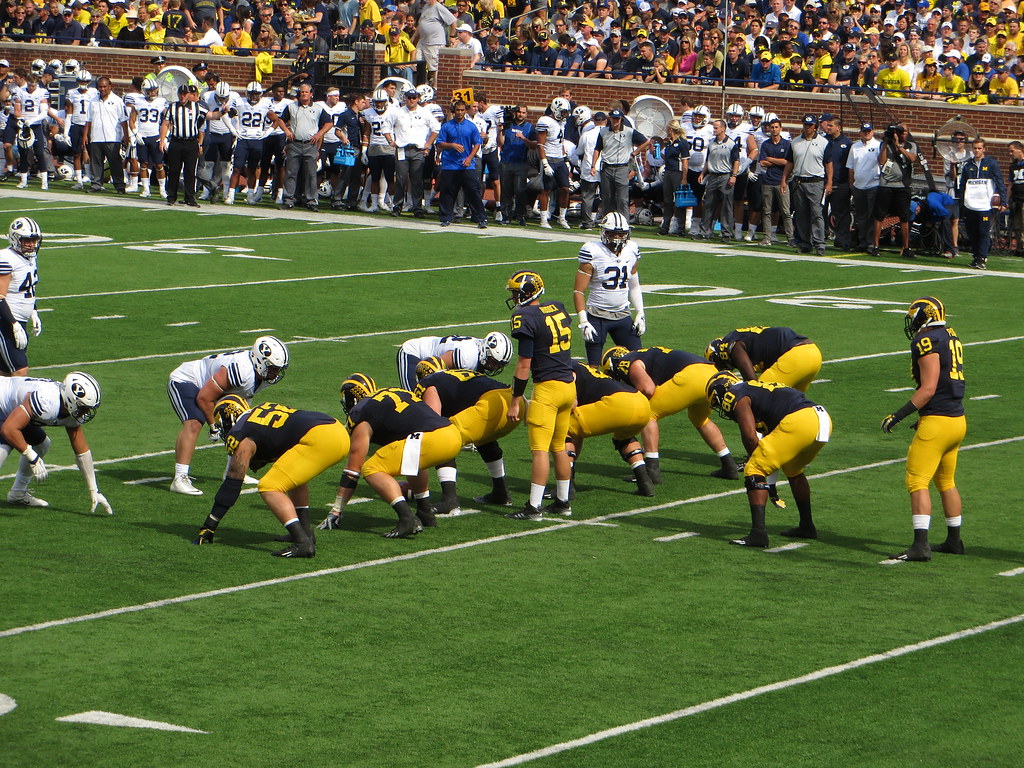
The National Football League season is a highly anticipated event, and with it comes a flurry of activity in the betting markets. As Week 1 approaches, several factors can cause shifts in the odds, offering a fascinating look at how the market interprets team news, schedule quirks, and evolving expectations. This article will delve into the common drivers behind odds movement for the NFL’s opening weekend, providing context for readers interested in understanding the forces shaping the betting landscape.
What the Market is Reacting To
The betting market for any sporting event is a dynamic entity, constantly adjusting based on new information and collective sentiment. For NFL Week 1, the market’s reaction is typically a response to a mix of concrete developments and speculative narratives. This can include anything from a surprise injury to a star player during the preseason, a significant coaching change, or even shifts in public perception based on offseason moves. Bookmakers and sharp bettors alike are constantly evaluating these inputs, leading to adjustments in point spreads, moneyline odds, and over/under totals. The goal is to reflect the most accurate probability of each outcome, and as new data emerges, the market adjusts.
Team and News Variables
The most direct impact on NFL Week 1 odds often comes from team-specific news. This can range from official injury reports to unofficial but widely reported roster changes or depth chart developments. For example, a starting quarterback missing a significant portion of the preseason or being listed as questionable for Week 1 can dramatically alter a team’s perceived strength and, consequently, the betting line. Similarly, significant trades or free-agent signings that bolster or weaken a roster can cause noticeable movement.
Fanbases and media often have strong opinions about their teams, but the betting market tends to react more cautiously to unverified rumors. Official team statements, credible sports news outlets, and verified injury reports carry the most weight. When a key player is definitively ruled out or confirmed to be playing, the market will often react swiftly. The timing of this information is also crucial; news breaking just days before a game can have a more pronounced effect than information available weeks in advance.
Schedule and Venue Factors
Beyond team-specific news, the NFL schedule and venue can also play a role in odds movement. Week 1 often features compelling inter-divisional or high-profile matchups that carry inherent interest and betting volume. The location of the game – whether it’s a home opener with a raucous crowd or a neutral-site game – can also influence perceptions. Some teams historically perform better at home, and this can be factored into the odds, especially if historical data suggests a strong home-field advantage.
Furthermore, the perceived strength of an opponent can impact the odds for a given team. If a team is facing a division rival that is widely considered a Super Bowl contender, their underdog status might be amplified. Conversely, facing a team perceived as weaker can lead to a team being favored more heavily. Early-season schedules can also present unique challenges, such as a team having to travel across the country for their opener, which can introduce a slight travel fatigue factor that some bettors might consider.
Expert/Media Disagreement
While official sources and concrete news drive much of the market, the opinions of prominent analysts, sports media personalities, and prediction sites also contribute to the overall narrative and, by extension, betting sentiment. When there’s a significant divergence of opinion among respected voices, it can create uncertainty and potentially lead to more volatile odds movement. For instance, if a consensus pick among analysts is at odds with the initial betting line, some bettors might be drawn to the perceived value, forcing bookmakers to adjust.
However, it’s crucial to distinguish between informed analysis and pure speculation. The betting market generally places more weight on data-driven insights and proven track records. Social media buzz or hot takes from less credible sources are often dismissed by sophisticated bettors and bookmakers, though they can sometimes contribute to broader public betting trends. The key is to identify where the “smart money” is likely to be, which is often a reflection of deeper analysis rather than surface-level commentary.
What to Verify Before Kickoff
Before placing any bets or making decisions based on odds movement, it’s essential to perform your own due diligence. The landscape of NFL betting is complex, and relying solely on market shifts without understanding the underlying reasons can be a risky approach. Here are some key areas to verify:
- Official Injury Reports: Always check the latest official injury reports from the teams and the league. This is the most critical piece of information.
- Team News and Roster Updates: Follow reputable sports news outlets for any significant roster changes, depth chart shifts, or coaching news.
- Schedule and Venue Details: Confirm game times, locations, and any relevant travel information.
- Historical Performance: While not a sole predictor, understanding how teams perform against specific opponents or in certain conditions can provide context.
- Market Trends: Observe how the odds are moving, but more importantly, try to understand *why* they are moving. Is it based on credible news or just public sentiment?
Responsible Context
It’s important to remember that odds reflect probabilities and market sentiment, not guarantees. Betting on sports should be done responsibly and with a clear understanding of the risks involved. The information presented here is intended to provide context for understanding the betting market and is not financial or betting advice. Always wager within your means and seek help if you feel you may have a gambling problem. The goal is to enhance your understanding of the game and the business surrounding it, not to chase guaranteed wins.
- Key Player Injury: Official injury reports, credible team news | Significant impact on team’s strength and perceived win probability. | High
- Coaching Change: Official announcements, reputable sports journalism | Can signal strategic shifts or locker room changes, impacting performance. | Medium
- Public Betting Sentiment: Observed odds movement, betting volume trends | May indicate popular picks, but not necessarily “value” or guaranteed wins. | High
- Venue/Home Field Advantage: Historical data, team performance records | Can subtly influence line, especially in close matchups. | Medium
- Opponent Strength: Standings, expert analysis, pre-season performance | Affects perceived difficulty of the matchup and thus the odds. | Medium
Do Not Overread This
The betting market is a sophisticated mechanism, but it’s not infallible. Odds movement provides insight, but it’s not a crystal ball. Remember that upsets happen, and unexpected performances can defy all predictions. Treat odds as a guide to market sentiment, not a definitive outcome.
Related news

Travis Hunter lands at No. 5 on Fox Sports’ most-pressured list ahead of Jaguars’ 2026 season
The Jaguars' second overall pick from 2025 enters Year 2 as a full-time cornerback and part-time receiver after an injury-shortened rookie season.
Read story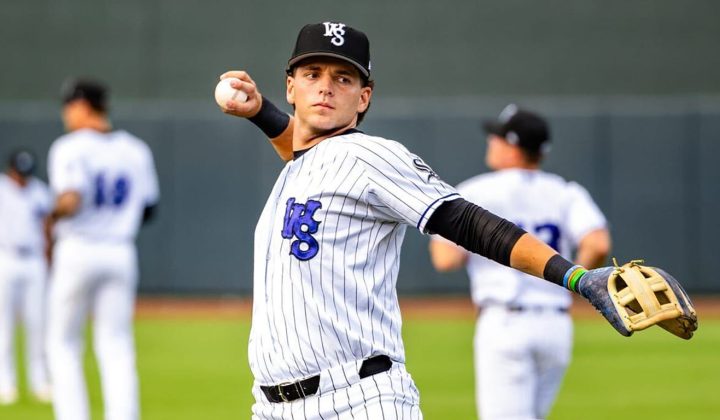
Roch Cholowsky’s pro debut: No. 1 pick starts White Sox journey at High-A
2026 No. 1 overall pick Roch Cholowsky went hitless but played clean defense in his pro debut for High-A Winston-Salem, taking his…
Read story
Angels draw praise from MLB insider after five-deal deadline selloff
The Angels completed five trades with five different teams by the Aug. 3 deadline, and MLB insider Jon Morosi credited the club…
Read story
BetMGM bonus code CBSSPORTS returns with up to $1,500 in bonus bets for Monday MLB slate
New BetMGM users can claim up to $1,500 in bonus bets with the CBSSPORTS code ahead of Monday's MLB slate, which features…
Read storyRelated wiki

MLB Wild Card Rules Explained: Format, Tiebreakers & Postseason Impact
How the MLB wild card works in the current postseason format, including tiebreaker procedures, the 3-game series structure, and what it means…
Read storyPlayoff race
Reference page for playoff race language, qualification lines, tiebreakers and games-in-hand context.
Read story