The Shifting Sands of Global Sports Fandom: Adapting to Evolving Media and Demographics
Global sports consumption is undergoing a significant transformation, driven by increasing globalization, diversifying fan bases, and evolving media habits. This column explores how these shifts present new challenges and opportunities for brands and rights holders in their sponsorship strategies.
The global sports landscape is in constant flux, a dynamic ecosystem shaped by forces far beyond the playing field. As we navigate the mid-2020s, several interconnected trends are fundamentally altering how fans engage with sports and, consequently, how brands can connect with them. The confluence of increased globalization, the diversification of fan demographics, and the rapid evolution of media consumption habits presents both a complex challenge and a significant opportunity for sports organizations, leagues, teams, and their sponsors. Understanding these shifts is no longer a strategic advantage; it is a prerequisite for relevance and success.
This column will delve into these transformative elements, examining the evidence supporting these changes, exploring the implications for sponsorship and fan engagement, and considering what uncertainties remain in this rapidly evolving environment.
Why It Matters
The insights from reports like Deloitte’s “2026 Sports Industry Outlook” and Nielsen’s “2025 Global Sports Report” underscore the magnitude of these changes. As Deloitte notes, disruptive technologies are increasingly driving business dynamics in sports, necessitating a reimagining of business models and a strategic alignment of innovative initiatives to drive value. Nielsen’s report highlights that 51% of people globally are fans of football (soccer), indicating its continued dominance, but also points to significant growth in other areas, such as women’s sports and the increasing engagement of older demographics with streaming services. This fragmentation and diversification mean that a one-size-fits-all approach to fan engagement and sponsorship is no longer viable. Brands must now adopt more nuanced and data-driven strategies to reach specific, often niche, fan segments effectively. The traditional broadcast model is being supplemented, and in some cases supplanted, by digital platforms, social media, and direct-to-consumer offerings, creating new avenues for interaction but also demanding greater agility and innovation.
What Sources Show
The data paints a clear picture of a more connected and diverse global fan base. Nielsen’s “2025 Global Sports Report” explicitly states that “Increased globalization, diversifying fandoms and changes in media consumption are creating passionate fans who are more connected than ever before.” This is further evidenced by the projected growth in women’s sports, where 47% of fans are female, indicating a significant and growing market segment. The report also highlights a 21% increase in two years among fans aged 50 and older who use streaming to watch sports, illustrating a generational shift in media habits.
The “Sports press: an explanatory and identity scheme” article from Frontiers in Sociology touches upon the individualization of athletes in media coverage, likening it to political marketing. Figures like Michael Jordan and Serena Williams are not just celebrated for their athletic prowess but also for their “charisma, lifestyle, and partnerships,” which create “star images” and emotional connections with the public. This suggests a growing fan interest not just in the game itself, but in the narratives and personalities surrounding it.
Deloitte’s insights into the sports industry outlook reinforce the technological drivers of these changes. Their focus on “business-led technology strategy” and “digital enablement across all aspects of their operations—from enhancing fan experiences to unlocking new revenue streams” points to a future where technology is intrinsically linked to fan engagement and commercial success.
Competing Readings
While the overarching trends of globalization and diversification are evident, the precise implications for sponsorship strategies can be interpreted in different ways. One reading suggests that the increased fragmentation of the audience requires brands to invest more heavily in highly targeted digital and social media campaigns, potentially at the expense of broader, traditional media buys. This approach aims to maximize ROI by reaching precisely the right demographic with tailored messaging.
Another interpretation emphasizes the enduring power of major global events. Nielsen points out that “Global tournaments in 2025, 2026 and 2027 will open up opportunities to breakthrough with fans.” This perspective suggests that while micro-targeting is important, the overarching appeal of marquee events still offers a significant platform for mass brand awareness and association. The challenge here lies in ensuring that sponsorship of these events is integrated with digital strategies to capture the attention of a media-savvy audience.
A third perspective focuses on the rise of new formats. The mention of “fast growing tech-infused golf league TGL” in the Nielsen report indicates that innovation in sports content delivery is crucial. Brands may need to explore partnerships with emerging leagues and platforms that cater to evolving fan preferences and offer novel ways to integrate their products or services.
What Could Change Next
The trajectory suggests an acceleration of these trends. We can anticipate further advancements in immersive fan experiences, driven by virtual and augmented reality technologies, as highlighted by Deloitte’s emphasis on technological transformation. The growth of women’s sports is likely to continue its upward momentum, demanding greater investment and more sophisticated engagement strategies from brands seeking to tap into this expanding market. Furthermore, the increasing sophistication of data analytics will allow for even more precise audience segmentation and personalized content delivery, making sponsorship more accountable and effective. The “2026 Sports Industry Outlook” implies a continuous reinvention cycle, where remaining static is not an option.
The integration of sports with other entertainment forms will likely deepen. This could involve more collaborations between sports leagues and artists, musicians, or gaming influencers to capture the attention of younger, crossover audiences. The “Sports press” article’s reference to athletes as “figures of projection” and “emblems” suggests that storytelling and the creation of compelling narratives will remain a central pillar of fan engagement, regardless of the platform.
What Remains Unclear
Despite the clear trends, several aspects remain subjects of ongoing development and require continued monitoring. The long-term impact of AI on sports content creation, analysis, and fan interaction is still largely speculative. While AI can enhance data analysis and personalize experiences, its role in shaping narratives or directly engaging fans is yet to be fully defined.
The sustainability of rapid growth in certain niche sports or leagues is also a question. While some emerging formats are gaining traction, their ability to maintain fan interest and commercial viability over the long term, independent of major event cycles, is not yet fully established. The “Evaluating Information” guide reminds us that it’s important to double-check information, and this applies to industry trends as well – what appears to be a massive growth area needs sustained evidence.
Finally, the regulatory landscape surrounding sports data, athlete endorsements, and digital media consumption is still evolving globally. As new technologies and platforms emerge, governments and sports bodies will need to establish frameworks that balance innovation with fan protection and fair competition. The interplay between these evolving regulations and the commercial strategies of sports entities will be a critical factor to watch.
| Trend Category | Key Indicator | Source | Implication for Sponsorship |
|---|---|---|---|
| Media Consumption | Increased Streaming by Older Demographics | Nielsen | Need for multi-platform strategies; targeted digital campaigns for older segments. |
| Fandom Diversification | Growth in Women’s Sports | Nielsen | Opportunity for brands to align with growing, engaged female fan base. |
| Globalization | Continued Dominance of Football | Nielsen | Major events remain key for broad reach; consider regional nuances within global appeal. |
| Technological Advancement | Digital Enablement & New Formats | Deloitte | Investment in tech-driven fan experiences; exploration of emerging leagues (e.g., TGL). |
| Athlete Individualization | Star Image & Lifestyle Coverage | Frontiers in Sociology | Focus on athlete storytelling and personal branding as engagement drivers. |
Related news
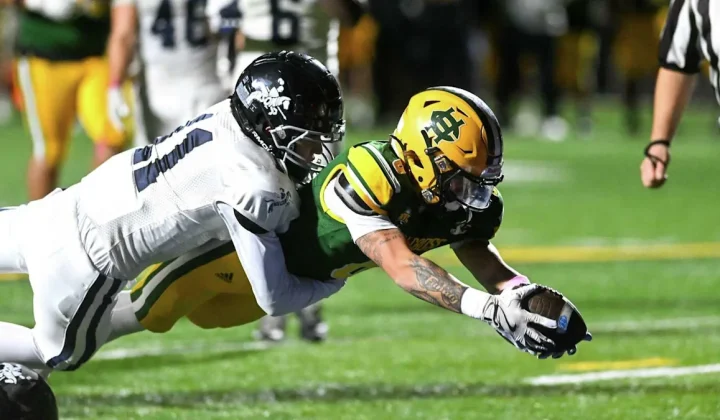
Holy Cross football ends 16-year drought against Ansonia behind Nate Craft’s four touchdowns
The Crusaders overcame a third-quarter deficit to beat Ansonia 48-37, snapping a losing streak that dated back to 2009 and improving to…
Read story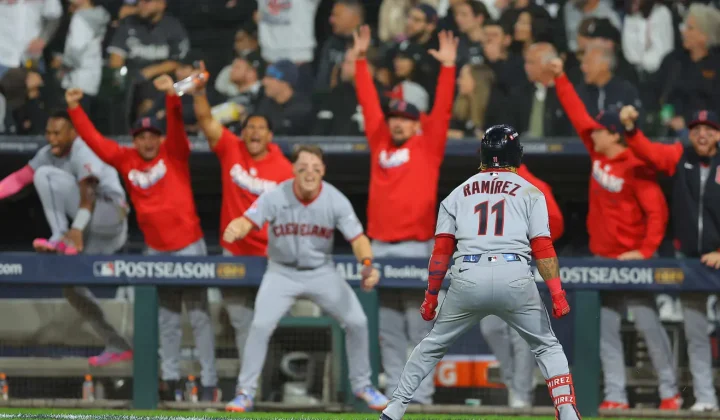
Guardians Force Winner-Take-All ALDS Game 5 With Six-Run Sixth Inning in Chicago
Cleveland scored six runs in the sixth inning to beat the White Sox 9-5 in Game 4 of the ALDS, setting up…
Read story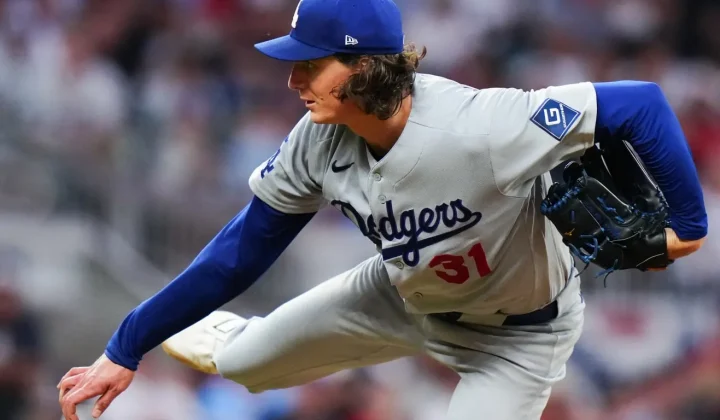
Dodgers Take Commanding 3-1 NLDS Lead Behind Glasnow’s Gritty Outing in Atlanta
Tyler Glasnow battled through command issues but limited Atlanta to one run over 4 2/3 innings as Los Angeles took a 3-1…
Read story
Braves Face Elimination as Dodgers Seek NLCS Berth in Game 4 NLDS Showdown
The Atlanta Braves host the Los Angeles Dodgers in a pivotal Game 4 of the National League Division Series on Wednesday night.…
Read storyRelated wiki

MLB Wild Card Rules Explained: Format, Tiebreakers & Postseason Impact
How the MLB wild card works in the current postseason format, including tiebreaker procedures, the 3-game series structure, and what it means…
Read storyPlayoff race
Reference page for playoff race language, qualification lines, tiebreakers and games-in-hand context.
Read story