The Shifting Sands of Sports Media Consumption: Beyond Traditional Ratings
As the sports media landscape evolves, understanding how fans engage across platforms is crucial for marketers and enthusiasts alike. This column explores the data behind multi-platform success, the rise of soccer, and diverse viewership trends.


The world of sports media is in constant flux. Gone are the days when a simple television rating could tell the whole story of how a game or event was consumed. Today, fans engage with sports across a complex ecosystem of linear television, streaming services, social media, and digital content. This evolving landscape presents both challenges and opportunities for leagues, teams, broadcasters, and marketers. Understanding these shifts is not just about tracking viewership numbers; it’s about deciphering how different platforms attract and retain audiences, and what that means for the future of sports consumption.
This column will delve into the critical trends shaping how sports are watched and engaged with, drawing on recent data and expert analysis. We will explore the undeniable success of multi-platform strategies, the persistent momentum of soccer in the U.S., and the nuanced ways different sports are attracting diverse fan bases. By examining the evidence, we can better understand what drives engagement and what remains uncertain in this dynamic environment.
Why It Matters
The way sports content is delivered and consumed has a profound impact on its accessibility, its commercial viability, and its cultural footprint. For leagues, effective multi-platform strategies can expand reach, attract younger demographics, and create new revenue streams. For fans, it means more choice and often more convenience, but also the potential for fragmentation and confusion. Marketers, in particular, need to navigate this complex terrain to effectively reach their target audiences. As Jon Stainer, Global General Manager of Nielsen Sports, notes, “Nielsen’s new report goes far beyond traditional ratings and measurement metrics to better inform media planning and strategies for sports marketers heading into the new year.” This highlights the critical need for deeper insights beyond raw numbers.
What Sources Show
Recent data from Nielsen provides a clear picture of the effectiveness of multi-platform programming. The report highlights that “linear and streaming attract different but complimentary audiences,” with the biggest opportunity lying in airing games across both. The Super Bowl on FOX’s free streaming service Tubi is cited as a prime example, attracting a younger, complementary audience that added to the overall reach. Similarly, NBC’s Sunday Night Football on broadcast and Peacock demonstrated these complementary viewer acquisition patterns.
Soccer’s global dominance is increasingly reflected in U.S. viewership. While only 27% of Americans identify as soccer fans, viewing of international tournaments has seen significant increases. The average audience for Copa América more than doubled compared to 2021, and both the UEFA Women’s Euro and the CONCACAF Gold Cup saw substantial growth. This indicates a growing appetite for the sport, even among those who may not identify as core fans.
Furthermore, the MLB Postseason is noted for boosting diverse baseball viewership, suggesting that major events can be powerful drivers for broadening fan bases within specific sports. This trend underscores the importance of high-stakes competitions in capturing and retaining audience attention across various demographics.
A broader look at sports industry trends from StartUs Insights points to evolving fan expectations, a push for equity, and sustainability as key drivers of change. Innovations in coaching technologies, virtual and phygital sports, and enhanced fan experiences are all part of this evolution. While these trends are more about the *how* of sports engagement, they complement the *where* and *what* of media consumption by signaling a fan base that is more engaged and demanding of varied experiences.
Competing Readings
While the evidence for multi-platform success is strong, the degree to which different platforms truly *complement* each other versus simply cannibalizing audiences is a subject of ongoing debate. Some argue that the proliferation of choices can lead to a less cohesive viewing experience, where fans might miss out on shared cultural moments if they are not on the “main” broadcast.
The rise of soccer viewership is undeniable, but whether this translates into a sustained, long-term growth in casual fandom beyond major international tournaments remains to be seen. The data shows increased interest, but the depth of that engagement—whether it leads to following domestic leagues or more consistent viewing habits—requires further observation.
Similarly, while the MLB Postseason might boost diverse viewership, questions remain about how to sustain that interest throughout the regular season. The challenge for many sports is not just in attracting new viewers during peak events but in cultivating a consistent, engaged fanbase year-round.
What Could Change Next
The ongoing integration of artificial intelligence and personalized content delivery could dramatically alter how fans discover and consume sports. Imagine algorithms that not only suggest games but also tailor broadcast angles, commentary, or even highlight reels based on individual preferences. This could lead to even more fragmented, yet potentially more engaging, viewing experiences.
The growth of women’s sports, as identified by Nielsen, is another area poised for significant development. Increased investment, media coverage, and strategic multi-platform distribution could lead to a substantial expansion of their audience and cultural impact, challenging traditional hierarchies in sports media consumption.
The continued evolution of sports documentaries on streaming platforms, as also highlighted by Nielsen, suggests a growing appetite for narrative-driven sports content that extends beyond live events. This trend could draw in viewers who are not traditionally sports enthusiasts but are captivated by compelling human stories.
What Remains Unclear
Despite the wealth of data, several key questions persist. How will the economics of sports broadcasting evolve as streaming services continue to demand more live rights? Will consolidation occur, or will the landscape become even more fragmented?
Furthermore, the long-term impact of “phygital” experiences—the blend of physical and digital interactions—on sports fandom is still unfolding. While trends point towards innovation, understanding how these translate into genuine, lasting fan engagement beyond novelty is crucial.
Finally, the ethical considerations surrounding data collection and its use in personalizing content are becoming increasingly important. As media consumption becomes more individualized, ensuring transparency and user control over data will be paramount.
In conclusion, the sports media landscape is a dynamic and complex ecosystem. While multi-platform strategies are proving effective and certain sports like soccer are experiencing significant growth, the long-term trajectory will depend on how leagues, broadcasters, and technology providers continue to innovate and adapt to the ever-changing expectations of the global sports fan.
| Trend Area | Key Observation | Potential Impact |
|---|---|---|
| Multi-Platform Success | Linear and streaming attract different but complementary audiences; airing across both maximizes reach. | Increased overall viewership, new opportunities for advertisers, broader fan engagement. |
| Soccer Momentum | Viewing of international tournaments in the U.S. is on the rise, with significant audience increases. | Growing interest in soccer, potential for increased domestic league viewership and broader sports fandom. |
| Diverse Viewership | Major events like the MLB Postseason can boost viewership across diverse demographics. | Opportunity to broaden fan bases for specific sports, challenge traditional viewership patterns. |
| Sports Industry Trends | Focus on equity, sustainability, coaching tech, virtual/phygital sports, and athlete wellness is increasing. | Enhanced athlete performance, improved fan loyalty, new avenues for fan engagement and technological innovation. |
| Sports Documentaries | Rise on streaming platforms indicates demand for narrative-driven sports content beyond live events. | Attraction of non-traditional sports fans, deeper fan connection through storytelling. |
Related news
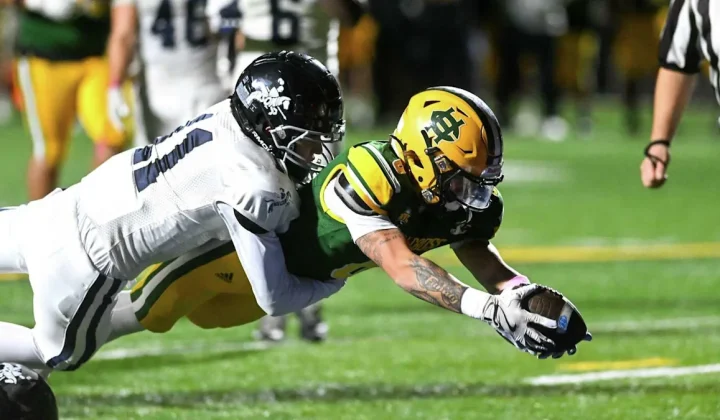
Holy Cross football ends 16-year drought against Ansonia behind Nate Craft’s four touchdowns
The Crusaders overcame a third-quarter deficit to beat Ansonia 48-37, snapping a losing streak that dated back to 2009 and improving to…
Read story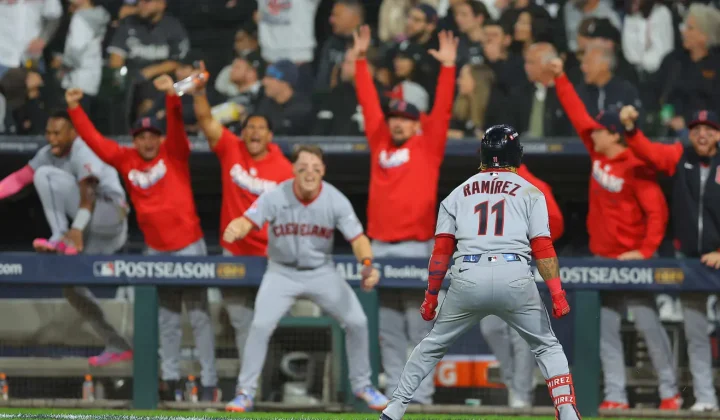
Guardians Force Winner-Take-All ALDS Game 5 With Six-Run Sixth Inning in Chicago
Cleveland scored six runs in the sixth inning to beat the White Sox 9-5 in Game 4 of the ALDS, setting up…
Read story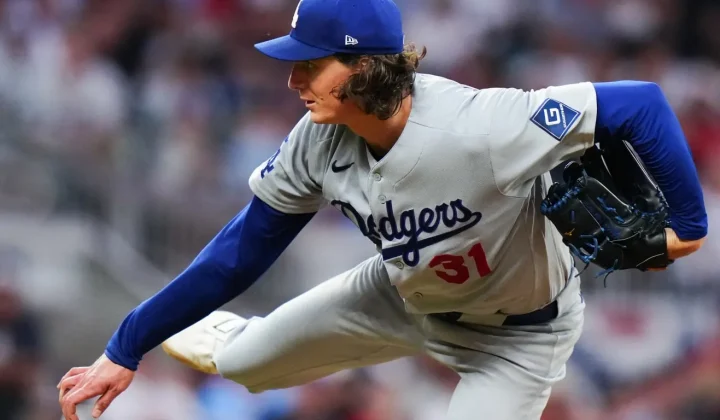
Dodgers Take Commanding 3-1 NLDS Lead Behind Glasnow’s Gritty Outing in Atlanta
Tyler Glasnow battled through command issues but limited Atlanta to one run over 4 2/3 innings as Los Angeles took a 3-1…
Read story
Braves Face Elimination as Dodgers Seek NLCS Berth in Game 4 NLDS Showdown
The Atlanta Braves host the Los Angeles Dodgers in a pivotal Game 4 of the National League Division Series on Wednesday night.…
Read storyRelated wiki

MLB Wild Card Rules Explained: Format, Tiebreakers & Postseason Impact
How the MLB wild card works in the current postseason format, including tiebreaker procedures, the 3-game series structure, and what it means…
Read storyPlayoff race
Reference page for playoff race language, qualification lines, tiebreakers and games-in-hand context.
Read story