The Shifting Sands of Media Bias: How It Affects Sports Coverage
An examination of how media bias can influence the reporting of sports news, from game analysis to player narratives, and how readers can navigate this landscape.


In the fast-paced world of sports, where narratives are built and broken with every play, the lens through which these stories are told is crucial. The media, often acting as the primary conduit between athletes, teams, and the public, plays a significant role in shaping perceptions. However, like any form of journalism, sports reporting is not immune to the influence of media bias. Understanding this bias is not just an academic exercise; it’s essential for fans who want to consume sports content critically and make informed judgments about the games, teams, and athletes they follow.
This column will delve into the concept of media bias within sports journalism. We will explore why it matters, examine the evidence suggesting its presence, consider different interpretations of its impact, and discuss what the future might hold for sports reporting in an increasingly complex media environment. By dissecting this issue, we aim to equip readers with the tools to navigate the information landscape and appreciate sports news with a discerning eye.
Why Media Bias Matters in Sports
The impact of media bias in sports can be far-reaching. It can influence public opinion about players’ performance, coaching decisions, and even the legitimacy of game outcomes. A biased report might overemphasize a team’s struggles while downplaying its successes, or conversely, inflate the achievements of a favored team. This can lead to skewed perceptions of team dynamics, player morale, and the overall narrative surrounding a sport. For instance, a consistently negative portrayal of a struggling team might contribute to fan frustration and pressure on management, even if the underlying issues are complex and not solely performance-based.
Moreover, bias can affect how controversies are framed. A scandal involving a star player might be reported with a sensationalist bent by one outlet, while another might offer a more measured, fact-based account. This disparity can create confusion for fans trying to understand the full story and can disproportionately impact the reputation of individuals and organizations.
What Sources Show About Media Bias
Assessing media bias is a complex undertaking, as it often involves subtle linguistic choices, framing, and the selection of what information to highlight or omit. Resources like Media Bias/Fact Check (MBFC) attempt to categorize news sources based on their political leanings and factual reporting. While MBFC primarily focuses on political news, its methodology of evaluating sources can be applied to understanding the broader media landscape, including sports journalism. MBFC notes that “We are the most comprehensive media bias resource on the internet. There are currently 10,000+ media sources, journalists, politicians and countries listed in our database and growing every day.” This highlights the sheer volume of information and the need for critical evaluation across all types of media.
While direct academic studies on the specific bias within sports journalism are less common than those on political news, the principles remain the same. Sports media outlets, like any media, operate within economic and editorial frameworks that can influence their reporting. For example, outlets reliant on clicks and engagement might prioritize sensational or emotionally charged stories over nuanced analysis. The pursuit of exclusives or access to teams can also create a delicate balance, potentially leading to a reluctance to report critically on certain organizations or individuals.
Competing Readings of Bias in Sports Media
There are several ways to interpret the presence and impact of bias in sports journalism. One perspective is that bias is an inherent and unavoidable aspect of any subjective reporting. Journalists, as individuals, bring their own perspectives, and media organizations have their own editorial stances. In this view, the goal is not to eliminate bias entirely but to be aware of it and to consume content from a variety of sources to get a more rounded picture.
Another reading suggests that bias can be a deliberate tool used by media outlets to cultivate a specific audience or to serve external interests. This could range from a sports network with ties to a particular league promoting a favorable narrative for that league, to a publication subtly favoring teams from a certain geographic region to cater to its readership.
A more critical view posits that bias can actively harm the integrity of sports reporting. When bias leads to the spread of misinformation, unfair characterizations of athletes, or the suppression of important truths, it undermines the trust that fans place in sports media. This can have a tangible impact on the careers of athletes and the public perception of entire sports.
What Could Change Next
The media landscape is constantly evolving, and this has implications for sports journalism. The rise of social media has democratized content creation, allowing athletes, teams, and fans to bypass traditional media outlets. This can provide more direct access to information but also creates new challenges in verifying the accuracy and identifying potential bias in user-generated content.
Furthermore, the increasing use of data analytics in sports might lead to a more objective form of reporting. With advanced metrics and statistical analysis, journalists can present more evidence-based insights. However, even data can be presented with a bias, depending on which metrics are chosen and how they are interpreted.
The demand for responsible journalism is also growing. As audiences become more aware of media bias, there may be a greater call for outlets to be transparent about their editorial standards and to provide well-researched, balanced reporting. This could lead to a greater emphasis on in-depth analysis and investigative journalism within the sports world.
What Remains Unclear
Despite the growing awareness, several aspects of media bias in sports journalism remain unclear. The precise extent to which bias influences fan perception and decision-making is difficult to quantify. While we can identify trends and patterns, directly measuring the impact of a specific biased report on a fan’s overall view is a significant research challenge.
Additionally, the evolving nature of media consumption means that the channels through which fans receive sports information are constantly changing. Tracking the influence of bias across traditional media, digital platforms, social media, and podcasts presents an ongoing challenge. The long-term effects of algorithmic curation on news feeds and how this might inadvertently amplify certain biases are also areas that require further investigation.
Navigating the sports media landscape requires a critical and informed approach. By understanding the potential for bias, seeking out diverse sources, and critically evaluating the information presented, sports fans can gain a more accurate and nuanced appreciation of the games they love. The ideal is not to be a passive recipient of information, but an active, discerning consumer who recognizes that every story is told through a particular lens.
| Media Type | Potential for Bias | Transparency Efforts | Reader’s Role |
|---|---|---|---|
| Traditional News | Moderate to High | Varies by outlet | Cross-reference with other sources, check author |
| Sports Blogs/Sites | Moderate to High | Often Low | Evaluate author’s affiliations, look for evidence |
| Social Media | Very High | Very Low | Verify claims, be wary of emotional appeals |
| Official League Sites | Low | High | Understand their vested interest (promotion) |
| Data Analytics Sites | Low (in data) | Moderate | Scrutinize interpretation, understand metric limits |
Related news
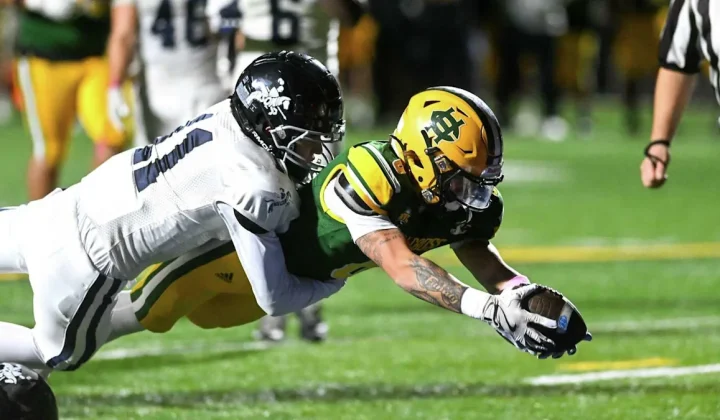
Holy Cross football ends 16-year drought against Ansonia behind Nate Craft’s four touchdowns
The Crusaders overcame a third-quarter deficit to beat Ansonia 48-37, snapping a losing streak that dated back to 2009 and improving to…
Read story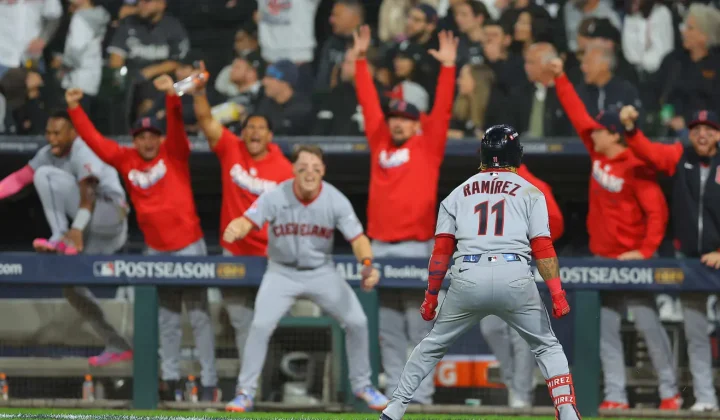
Guardians Force Winner-Take-All ALDS Game 5 With Six-Run Sixth Inning in Chicago
Cleveland scored six runs in the sixth inning to beat the White Sox 9-5 in Game 4 of the ALDS, setting up…
Read story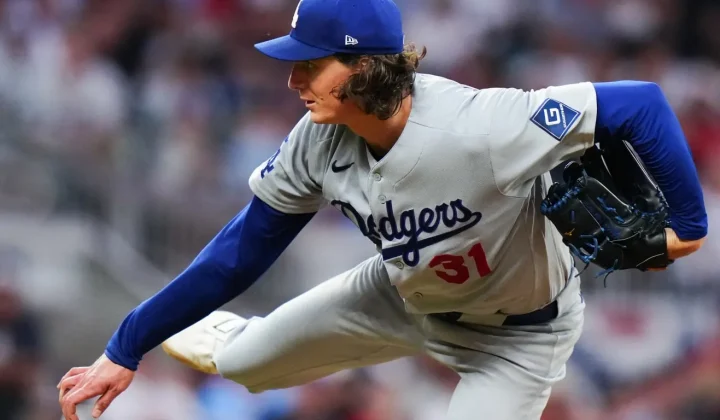
Dodgers Take Commanding 3-1 NLDS Lead Behind Glasnow’s Gritty Outing in Atlanta
Tyler Glasnow battled through command issues but limited Atlanta to one run over 4 2/3 innings as Los Angeles took a 3-1…
Read story
Braves Face Elimination as Dodgers Seek NLCS Berth in Game 4 NLDS Showdown
The Atlanta Braves host the Los Angeles Dodgers in a pivotal Game 4 of the National League Division Series on Wednesday night.…
Read storyRelated wiki

MLB Wild Card Rules Explained: Format, Tiebreakers & Postseason Impact
How the MLB wild card works in the current postseason format, including tiebreaker procedures, the 3-game series structure, and what it means…
Read storyPlayoff race
Reference page for playoff race language, qualification lines, tiebreakers and games-in-hand context.
Read story