The Evolution of Football Tactics: From Offside Trap to Gegenpressing
Explore the fascinating journey of football tactics, from the early days of the offside trap to modern strategies like gegenpressing. Understand how formations, player roles, and game philosophies have transformed the sport.

Football, more than just a game, is a constantly evolving strategic battleground. Over the decades, the way teams approach the sport on the pitch has undergone a dramatic transformation. From the rigid formations of the early 20th century to the fluid, high-intensity systems of today, the evolution of football tactics is a testament to human ingenuity and the relentless pursuit of competitive advantage.
The Genesis: Early Formations and the Offside Trap
In the nascent days of organized football, formations were relatively simple, often revolving around a strong defensive spine and a few attacking players. The most influential early tactical innovation was the implementation of the offside trap. This defensive strategy aimed to catch opposing attackers offside by coordinating the defensive line to advance suddenly, leaving attackers behind the line when the ball was played. Teams like Arsenal under Herbert Chapman in the 1930s mastered this, revolutionizing defensive play.
The WM Formation and the Rise of the Midfield
As tactics developed, formations became more sophisticated. The WM formation, a 3-2-2-3 or 3-4-3 variation, became dominant in the mid-20th century. It offered a better balance between attack and defense compared to earlier systems. This era also saw the increasing importance of the midfield as a battleground, with teams deploying dedicated midfielders to control possession and initiate attacks.
The Total Football Revolution
The 1970s witnessed a paradigm shift with the advent of “Total Football” pioneered by the Dutch national team and Ajax, led by visionaries like Rinus Michels and Johan Cruyff. This philosophy emphasized fluidity and versatility, where any outfield player could theoretically take on the role of any other. Players were not confined to specific positions, leading to a dynamic and unpredictable style of play that overwhelmed opponents.
The Italian Influence: Catenaccio and Defensive Mastery
While the Dutch embraced attacking flair, Italian football developed a reputation for defensive solidity. “Catenaccio,” meaning “door bolt,” was a highly defensive system that relied on a deep-lying sweeper, tight marking, and rapid counter-attacks. Though often criticized for being overly negative, it was incredibly effective and highlighted the importance of defensive organization.
The Modern Era: Pressing, Possession, and Specialization
The late 20th and early 21st centuries have seen a diversification and refinement of tactical approaches. The rise of possession-based football, popularized by teams like Barcelona under Pep Guardiola, emphasizes retaining the ball, patient build-up play, and exploiting space.
Simultaneously, “Gegenpressing” (German for “counter-pressing”) has become a dominant force. Popularized by managers like Jürgen Klopp, this tactic involves intensely pressing the opponent immediately after losing possession, aiming to win the ball back high up the pitch and capitalize on the opponent’s disorganization.
Key Tactical Concepts in Modern Football
| Tactical Concept | Description | Key Features |
|---|---|---|
| Possession Football | Maintaining control of the ball to dictate the tempo and create scoring opportunities. | Short passing, positional play, patient build-up, exploiting space. |
| Gegenpressing | Aggressively pressing the opponent immediately after losing possession. | High intensity, coordinated pressing, quick turnovers, winning the ball in advanced areas. |
| High Press | Applying pressure on the opponent deep within their own half. | Disrupting build-up play, forcing errors, creating chances from turnovers. |
| Low Block | A defensive strategy where a team sits deep and compact to deny space to the opponent. | Tight marking, disciplined shape, quick counter-attacks. |
| Wing Play | Utilizing wide areas of the pitch for attacking threats. | Overlapping full-backs, wingers cutting inside, crosses into the box. |
The impact of analytics and sports science has also been profound, allowing coaches to dissect performances, identify weaknesses, and optimize player conditioning. This data-driven approach influences everything from training drills to in-game substitutions.
Looking Ahead
The evolution of football tactics is far from over. As players become more athletic and coaches more innovative, we can expect new strategies to emerge. The constant interplay between offensive creativity and defensive resilience ensures that football remains a captivating spectacle, both tactically and emotionally. The journey from simple formations to complex, dynamic systems is a core part of what makes the beautiful game so endlessly fascinating.
Related news
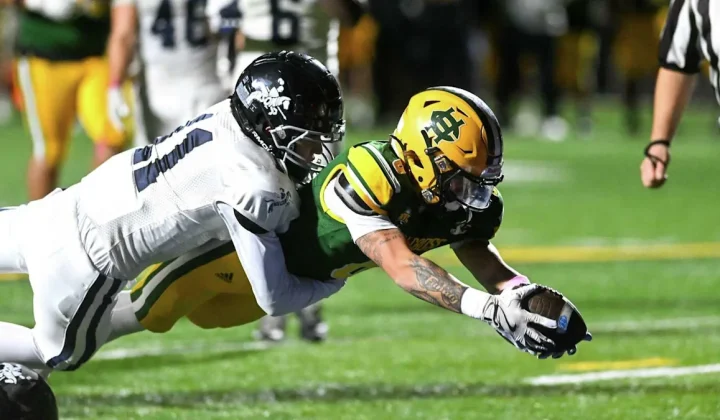
Holy Cross football ends 16-year drought against Ansonia behind Nate Craft’s four touchdowns
The Crusaders overcame a third-quarter deficit to beat Ansonia 48-37, snapping a losing streak that dated back to 2009 and improving to…
Read story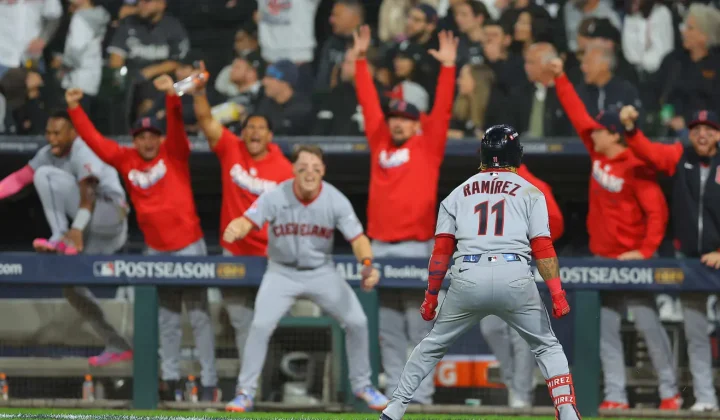
Guardians Force Winner-Take-All ALDS Game 5 With Six-Run Sixth Inning in Chicago
Cleveland scored six runs in the sixth inning to beat the White Sox 9-5 in Game 4 of the ALDS, setting up…
Read story
Dodgers Take Commanding 3-1 NLDS Lead Behind Glasnow’s Gritty Outing in Atlanta
Tyler Glasnow battled through command issues but limited Atlanta to one run over 4 2/3 innings as Los Angeles took a 3-1…
Read story
Braves Face Elimination as Dodgers Seek NLCS Berth in Game 4 NLDS Showdown
The Atlanta Braves host the Los Angeles Dodgers in a pivotal Game 4 of the National League Division Series on Wednesday night.…
Read storyRelated wiki

MLB Wild Card Rules Explained: Format, Tiebreakers & Postseason Impact
How the MLB wild card works in the current postseason format, including tiebreaker procedures, the 3-game series structure, and what it means…
Read storyPlayoff race
Reference page for playoff race language, qualification lines, tiebreakers and games-in-hand context.
Read story