The Narrative Game: How Media Bias Shapes Fan Perception in Modern Sports
Explore how media bias influences sports narratives, affecting fan engagement and critical understanding. This analysis delves into the evidence, interpretations, and future implications of subjective sports reporting.

In the electrifying world of sports, where every game, every play, and every athlete’s performance is dissected, the narrative surrounding these events often wields as much power as the statistics themselves. This narrative, however, is rarely a purely objective reflection of reality. Instead, it is frequently shaped by the intricate ecosystem of sports media, where bias can subtly, or not so subtly, influence how fans perceive athletes, teams, and the very integrity of the games they love. For the modern sports enthusiast, navigating this complex landscape requires more than just a passion for the game; it demands a critical eye to discern objective reporting from subjective framing.
This column delves into the multifaceted nature of media bias in sports reporting. We will examine why understanding this bias is crucial for engaged fans, explore the evidence from reputable sources that highlight its prevalence, consider competing interpretations of the media’s role in shaping sports narratives, and discuss what factors might influence these narratives in the future, as well as what remains uncertain in this evolving domain.
Why Understanding Media Bias Matters
The influence of sports media extends far beyond simply delivering scores and highlights. Media framing can significantly impact public opinion, affecting everything from an athlete’s reputation and marketability to fan sentiment towards a particular team or even the perceived fairness of league rules. As indicated by research highlighted in Frontiers in Sociology, sports media often prioritizes showcasing athletes as central figures, creating compelling “star images” that foster emotional connections with the public. This individualization, akin to political marketing strategies, can be highly effective in driving engagement but may also overshadow crucial team dynamics or broader systemic issues within sports. When reporting is consistently skewed, whether positively or negatively, it can distort reality, making it challenging for fans to form well-rounded opinions based on objective facts. For instance, an overly positive portrayal can obscure legitimate concerns about player welfare or team management, while relentless negative coverage can unfairly tarnish an athlete’s legacy.
What Sources Show About Media Bias
Assessing media bias in sports journalism requires a critical examination of various sources, from academic research to media watchdog organizations. While organizations like Media Bias Fact Check (MBFC) primarily focus on general news outlets, their methodologies for identifying bias are directly applicable to sports reporting. MBFC’s framework helps readers understand the potential leanings of media organizations, which can seep into their sports coverage. Different sports media outlets, much like their general news counterparts, can exhibit varying degrees of political or ideological leanings, influencing the tone and focus of their reporting.
Furthermore, the content itself often reveals underlying biases. A recurring theme in academic discussions, such as that found in Frontiers in Sociology, is the tendency for sports press to act as an “explanatory and identity scheme.” This means the media can actively shape how fans understand a sport and the athletes within it, often by emphasizing certain narratives over others. For example, a focus on individual rivalries might be amplified to generate more interest, potentially at the expense of deeper tactical analyses or discussions about player development pathways. The way media frames stories directly shapes how fans engage with and understand their favorite sports.
Competing Readings of the Media’s Role
While the existence of bias is often evident, interpretations of its impact and intent can vary. Some argue that media bias is an inherent, often unavoidable, byproduct of the entertainment industry. In this view, sports media’s primary goal is to engage an audience, and sensationalism or the creation of compelling narratives—even if leaning towards bias—serves this purpose. This perspective suggests that fans are increasingly savvy and can recognize and filter out overt bias, seeking out multiple sources to form their own conclusions.
Another interpretation views media bias as a more deliberate and potentially manipulative force. This perspective highlights how certain outlets, or even powerful entities within sports, might exert influence to shape public perception for financial or promotional gain. The increasing reliance on sophisticated consumer intelligence by media organizations, as noted by entities like NIQ (formerly NielsenIQ), suggests that content is often tailored to specific audience segments. This raises questions about authenticity and the potential for manipulation, where narratives are crafted not just for engagement, but to influence specific behaviors or perceptions. The meticulous crafting of athlete personas, mirroring political marketing, further fuels this concern, potentially overshadowing genuine team dynamics.
What Could Change Next
The landscape of sports media is in constant flux, driven by technological advancements and evolving audience consumption habits. The fragmentation of media platforms, from traditional television to an ever-growing array of streaming services and social media channels, means that fans are exposed to a wider variety of — and potentially more polarized — information. As detailed in “The Evolving Landscape of Sports Media Consumption,” multi-platform strategies are becoming essential for maximizing reach. This means that bias can be amplified across different channels, reaching fans in ways that were not previously possible.
Furthermore, the increasing role of data analytics in sports, while offering objective insights, can also be selectively presented to support pre-existing narratives. Athletes, teams, and media organizations can leverage data to bolster specific storylines, potentially cherry-picking statistics that align with their desired framing. For example, a team might highlight a player’s success in a specific niche metric while downplaying broader performance indicators, all supported by data visuals that appear authoritative. The challenge for fans will be to critically evaluate not only the narrative but also the data presented to support it.
What Remains Unclear
Despite the growing awareness of media bias, several aspects remain uncertain. The precise extent to which bias influences long-term fan loyalty or the perception of athlete integrity is difficult to quantify. While we can observe the effects of biased reporting, establishing a direct causal link to specific outcomes—such as changes in fan behavior or the market valuation of athletes—is challenging.
Moreover, the future of sports media regulation or the development of universally recognized standards for objective reporting remains an open question. As media outlets become more specialized and audiences more fragmented, the challenge of maintaining a shared understanding of objective sporting reality becomes increasingly complex. The ongoing interplay between media, athletes, and fans creates a dynamic environment where narratives can shift rapidly, leaving fans to continuously adapt their critical consumption strategies.
In conclusion, the modern sports fan is engaged in a constant negotiation with the narratives presented by the media. While passion for the game remains central, a critical understanding of media bias is no longer optional but essential for a truly informed and engaged viewership. By examining sources critically, considering competing interpretations, and staying aware of the evolving media landscape, fans can better navigate the storytelling that surrounds their favorite sports.
| Aspect of Media Bias | Description | Impact on Fans |
|---|---|---|
| Narrative Framing | The way stories are told, emphasizing certain angles or perspectives. | Can create hero/villain archetypes, influence opinions on fairness. |
| Athlete Individualization | Focusing heavily on individual star power, often mirroring political marketing. | Builds emotional connections, potentially overshadows team dynamics or systemic issues. |
| Data Selection | Presenting statistics selectively to support a particular storyline. | Can lend an appearance of objectivity to biased claims, making them harder to refute. |
| Platform Fragmentation | Information disseminated across various media channels, potentially amplifying bias. | Increases exposure to differing narratives, requiring more effort to cross-reference and verify. |
| Source Credibility | Varying degrees of bias and factual reporting among media outlets. | Necessitates audience awareness of outlet leanings and the use of watchdog resources. |
Related news

Eagles and Jaguars Set for London Showdown at Tottenham Hotspur Stadium
The Philadelphia Eagles and Jacksonville Jaguars meet in London on October 11, 2026. Here is the kickoff time, broadcast details, international game…
Read story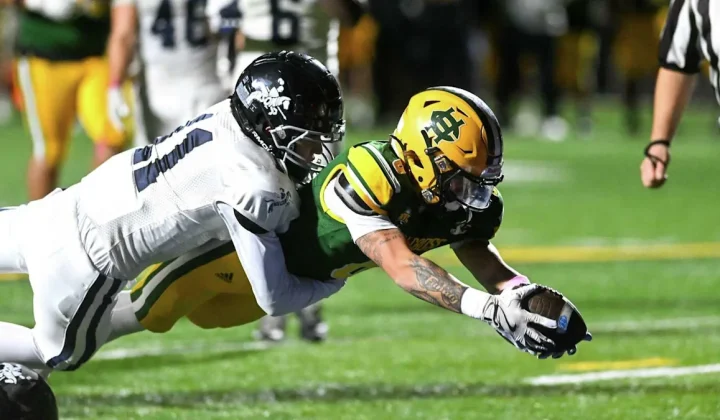
Holy Cross football ends 16-year drought against Ansonia behind Nate Craft’s four touchdowns
The Crusaders overcame a third-quarter deficit to beat Ansonia 48-37, snapping a losing streak that dated back to 2009 and improving to…
Read story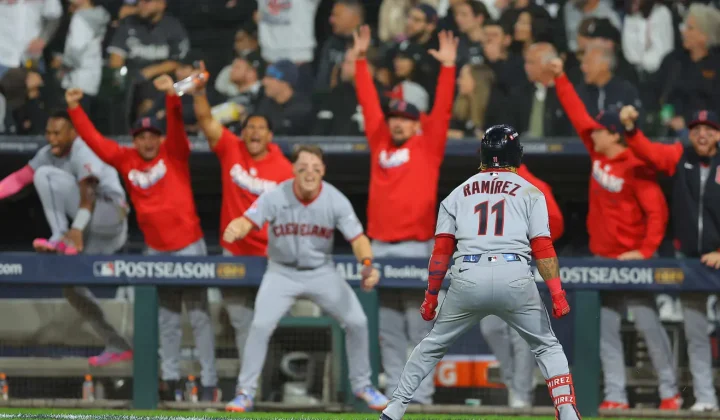
Guardians Force Winner-Take-All ALDS Game 5 With Six-Run Sixth Inning in Chicago
Cleveland scored six runs in the sixth inning to beat the White Sox 9-5 in Game 4 of the ALDS, setting up…
Read story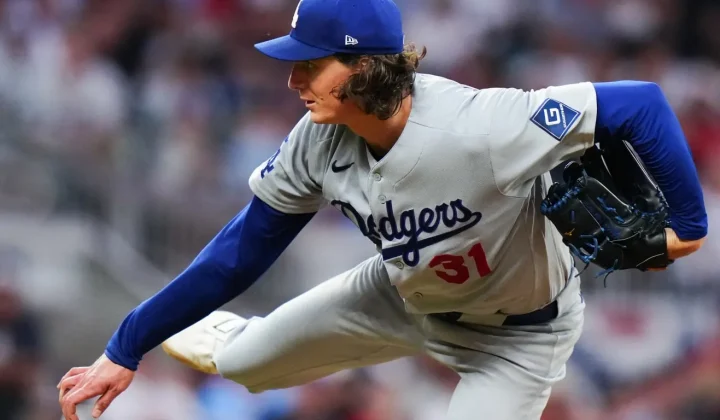
Dodgers Take Commanding 3-1 NLDS Lead Behind Glasnow’s Gritty Outing in Atlanta
Tyler Glasnow battled through command issues but limited Atlanta to one run over 4 2/3 innings as Los Angeles took a 3-1…
Read storyRelated wiki

MLB Wild Card Rules Explained: Format, Tiebreakers & Postseason Impact
How the MLB wild card works in the current postseason format, including tiebreaker procedures, the 3-game series structure, and what it means…
Read storyPlayoff race
Reference page for playoff race language, qualification lines, tiebreakers and games-in-hand context.
Read story