How the MLB Trade Deadline Impacts Playoff Races and World Series Odds
A practical evergreen guide to how deadline moves can reshape roster strength, playoff positioning, and futures-market reactions—while separating confirmed facts from speculation.

Quick takeaways
– Deadline moves matter most when they solve a specific roster problem rather than simply adding a recognizable name.
– Playoff-race impact and odds movement are not the same thing; market reaction can be immediate even when on-field impact takes longer to show.
– Readers should separate confirmed transactions from speculation and treat any odds discussion as probability framing, not certainty.
What happened
The MLB trade deadline is one of the clearest dividing lines in a season because it forces teams to decide whether to push harder for the current year, protect future assets, or stay flexible. In practical terms, contenders usually look for immediate help, fringe teams weigh the cost of a short-term upgrade, and non-contenders often prioritize longer-range planning. That basic framework is useful even in an evergreen setting because deadline coverage tends to mix confirmed moves with rumor-driven noise very quickly.
For readers trying to make sense of deadline week, the most important habit is to separate official action from fast-moving interpretation. A reported trade, an agreed deal, and a fully completed transaction do not carry the same weight for analysis. The same caution applies to odds chatter: a market may move fast, but that does not automatically mean a team has become a clear favorite.
Why it matters
Deadline moves can affect playoff races because baseball teams rarely need help everywhere at once. A club with a strong lineup but shaky relief pitching may gain more from one reliable late-inning arm than from a bigger-name bat. Likewise, a team with rotation uncertainty may improve its stretch-run outlook simply by adding innings stability. The key idea is fit: the value of a trade depends on the weakness it addresses and how often that weakness shows up in meaningful games.
That same logic carries into World Series odds, but odds should be read carefully. Probability-based markets react to news, perception, and demand, not just pure baseball value. In other words, a splashy acquisition can shorten a team's price quickly, while the true effect on playoff position may take time to become clear. Readers should treat odds as a snapshot of market expectation rather than a promise about what will happen next.
What is confirmed
What can be confirmed responsibly in any deadline analysis is the process, not a blanket conclusion. Officially completed trades matter more than rumors. Verified standings snapshots matter more than general impressions of a race. And if odds are discussed, they should be treated as time-sensitive market information that can change as new information arrives. That means the strongest version of any deadline article is one that clearly labels what is official, what is analysis, and what may still change.
A useful way to track deadline impact is to focus on a few repeatable checkpoints rather than chasing every headline.
| What to track | Why it matters | Best use in analysis | What can go wrong |
|---|---|---|---|
| Confirmed transaction status | It tells readers whether a move is official or still developing | Use it as the starting point before any deeper takeaway | Rumors can be treated like facts too early |
| Team need addressed | It shows whether the addition fits a real weakness | Helps explain why a smaller move may matter more than a famous one | Name recognition can overshadow roster fit |
| Current playoff position | It provides context for how urgent the move really is | Connects a trade to division or wild-card pressure | Old standings can distort the race |
| Market reaction | It shows how quickly expectations can change | Useful for explaining perception and implied probability | Odds can be mistaken for certainty |
| What may still change | It keeps the analysis honest | Flags injuries, role usage, and follow-up moves | Early conclusions can age badly |
In deadline coverage, the cleanest editorial line is this: confirmed facts belong in the factual frame, while projections and odds belong in the interpretation frame. That distinction helps readers understand why a move may look important immediately but still require time, health, and role clarity to produce real value in the standings.
What may change
Even after a major move, a team's outlook can shift again quickly. A club may add a starter but still have bullpen issues. A contender may improve on paper but run into fresh availability questions. And rival teams can answer with moves of their own, changing the division or wild-card picture again. That is why deadline analysis works best when it stays conditional: a move may help, could stabilize a weakness, or might reshape matchups, but it does not guarantee October success.
Odds can also move more than once. Initial reaction may reflect headline value or public excitement, while later pricing can settle once the market weighs role, usage, and the wider race. Readers who understand that difference are less likely to confuse a fast market adjustment with a final verdict on team quality.
What readers should do
If you want to judge a deadline move without overreacting, use this checklist:
- Confirm that the move is official before treating it as part of a team's playoff outlook.
- Ask what specific weakness the player is supposed to fix.
- Check whether the team is in a tight division race, a wild-card chase, or more of a long-shot position.
- Treat any odds movement as a market signal, not proof that the trade will work.
- Revisit the move after a few games or a full series, when roles and usage are clearer.
Readers should also watch for a few practical follow-ups after deadline day:
- How the new player is actually used.
- Whether the team still has the same weakness in another form.
- Whether competing teams in the same race make answering moves.
- Whether market excitement cools once the first reaction passes.
Sources
Related news
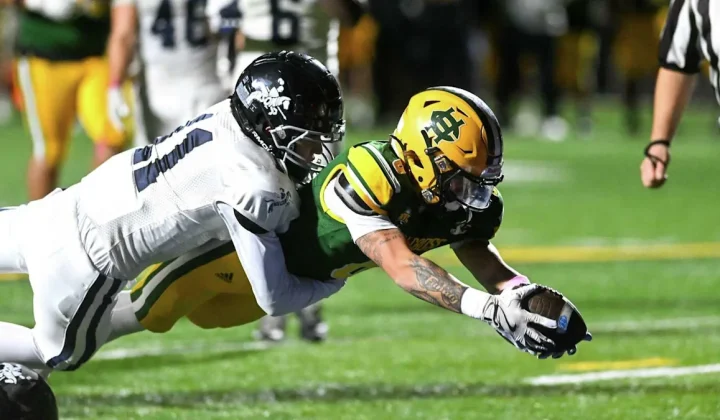
Holy Cross football ends 16-year drought against Ansonia behind Nate Craft’s four touchdowns
The Crusaders overcame a third-quarter deficit to beat Ansonia 48-37, snapping a losing streak that dated back to 2009 and improving to…
Read story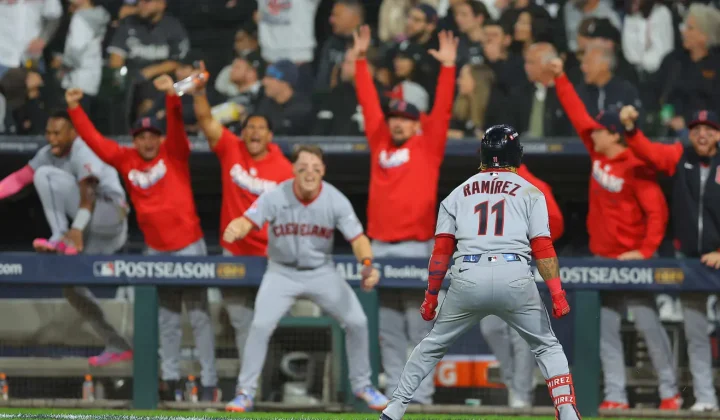
Guardians Force Winner-Take-All ALDS Game 5 With Six-Run Sixth Inning in Chicago
Cleveland scored six runs in the sixth inning to beat the White Sox 9-5 in Game 4 of the ALDS, setting up…
Read story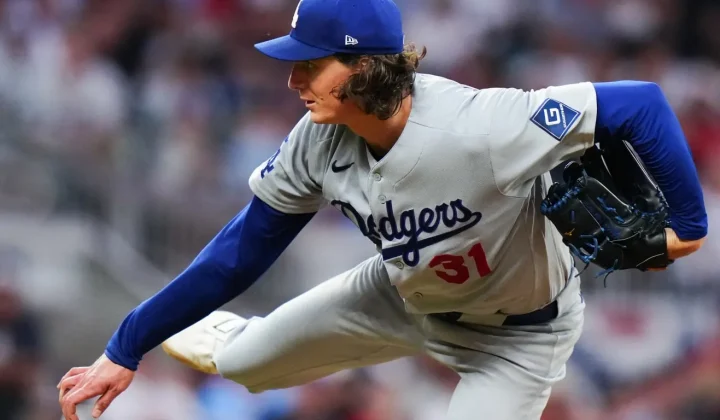
Dodgers Take Commanding 3-1 NLDS Lead Behind Glasnow’s Gritty Outing in Atlanta
Tyler Glasnow battled through command issues but limited Atlanta to one run over 4 2/3 innings as Los Angeles took a 3-1…
Read story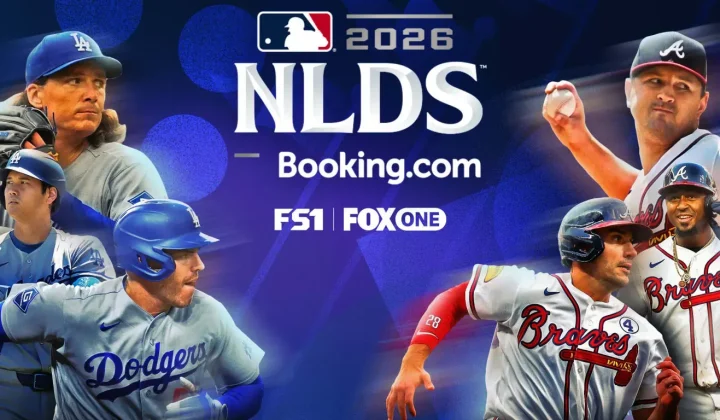
Braves Face Elimination as Dodgers Seek NLCS Berth in Game 4 NLDS Showdown
The Atlanta Braves host the Los Angeles Dodgers in a pivotal Game 4 of the National League Division Series on Wednesday night.…
Read storyRelated wiki

MLB Wild Card Rules Explained: Format, Tiebreakers & Postseason Impact
How the MLB wild card works in the current postseason format, including tiebreaker procedures, the 3-game series structure, and what it means…
Read storyPlayoff race
Reference page for playoff race language, qualification lines, tiebreakers and games-in-hand context.
Read story