The Unraveling NBA Playoff Picture: Key Races and Unsettling Trends
As the NBA regular season enters its critical final stretch, several playoff races are tightening, while concerning trends in team performance and player availability are shaping the landscape. This analysis dives into the most compelling narratives, examining the data and expert insights that define the current playof


The NBA regular season is a marathon, but the final weeks transform it into a sprint. As teams battle for seeding and precious playoff berths, an intricate tapestry of storylines unfolds. This year is no exception, with several compelling races to the finish line and a backdrop of player availability that continues to influence outcomes. Understanding the nuances of these playoff races requires not just a glance at the standings, but a deeper dive into the underlying trends and potential shifts that could define postseason success.
The primary focus for many observers, and indeed the teams themselves, remains the intense competition for playoff spots. Beyond the top seeds, the middle and lower halves of the conference standings are often where the most dramatic narratives emerge. Teams fighting to avoid the Play-In Tournament or secure a home-court advantage are playing with heightened urgency, leading to tighter contests and unpredictable results. However, this period also highlights the growing impact of player injuries and load management, creating a dynamic where roster health can be as decisive as on-court performance.
Why This Matters
The NBA playoff picture is more than just a list of teams; it’s a reflection of the league’s competitive balance, strategic evolution, and the sheer drama that unfolds when stakes are highest. For dedicated fans, tracking these races offers a constant source of engagement, fueling debates about team potential, coaching strategies, and individual player heroics. For casual observers, a well-defined playoff race can serve as an entry point into the sport, providing compelling narratives and high-stakes action to follow.
Furthermore, the trends observed in the late regular season often foreshadow playoff performance. Teams that have navigated injuries effectively, found late-season chemistry, or adapted their strategies to counter emerging opponents often carry that momentum into the postseason. Conversely, teams that are stumbling, battling significant roster issues, or showing tactical inflexibility may find themselves outmatched when the pressure intensifies. Analyzing these dynamics now provides valuable insight into which teams are truly built for a deep playoff run and which might be pretenders.
What Sources Show
The current NBA landscape, as reflected by official league standings and trusted sports media, reveals a closely contested Eastern Conference. The race for the top seeds involves several teams with distinct strengths and weaknesses. For instance, the Boston Celtics have largely dominated, but their consistency against certain opponent types and their ability to maintain elite performance depth are key metrics. Meanwhile, teams like the Milwaukee Bucks and Philadelphia 76ers are navigating their own challenges, often related to player health and the integration of new pieces, as seen in ongoing reports from ESPN and official team injury reports.
In the Western Conference, the competition is even more fierce. The top few seeds often remain fluid, with multiple teams jockeying for position. The Denver Nuggets, as defending champions, continue to be a benchmark, but their road performance and the health of key players like Nikola Jokic are always under scrutiny. Teams like the Oklahoma City Thunder and Minnesota Timberwolves have emerged as surprising contenders, built on young talent and dynamic play. Their ability to sustain this level of performance against veteran teams in high-pressure situations is a central narrative. Data from platforms like Basketball-Reference.com highlights offensive and defensive efficiencies, which are crucial for understanding team performance beyond simple win-loss records.
The impact of injuries cannot be overstated. A significant absence of a star player can drastically alter a team’s trajectory, impacting not only their win-loss record but also their offensive and defensive schemes. Official injury reports from NBA.com and team websites are essential for tracking this. For example, the absence of a key defender can lead to a noticeable dip in defensive rating, while the loss of a primary ball-handler can disrupt offensive flow. This is where secondary sources like The Athletic often provide deeper analysis, contextualizing the impact of these absences with sophisticated statistical breakdowns.
Competing Readings
One prevailing interpretation of the current NBA playoff picture is that veteran experience and established championship pedigree will ultimately prevail. Teams with a history of deep playoff runs, like the Nuggets or a healthy Bucks squad, are often favored due to their proven ability to execute under pressure. This perspective emphasizes the importance of playoff experience, the ability to adapt to different matchups, and the mental fortitude required to win on the road.
However, a contrasting reading suggests that the league is increasingly being shaped by a new generation of talent and innovative team-building strategies. The rise of teams like the Thunder, built around dynamic young cores and often employing faster-paced, more versatile offensive schemes, challenges the traditional dominance of veteran teams. This view highlights the importance of athleticism, adaptability, and the ability to leverage analytics for strategic advantage. These teams, while potentially lacking extensive playoff experience, possess a unique energy and a willingness to take risks that can be highly effective.
Another critical competing reading centers on the role of player availability and load management. Some argue that teams prioritizing player health during the regular season, even at the cost of some seeding, are better positioned for a deep playoff run. This approach acknowledges the grueling nature of an 82-game schedule and the importance of having stars at full strength for the postseason. Others contend that consistent high-level play and securing a favorable seed are paramount, as a lower seed might face a more difficult path through the playoffs, regardless of player health. The data on how teams perform with and without key players, often compiled by sites like FiveThirtyEight (though their NBA coverage has evolved), offers crucial context here.
What Could Change Next
The final weeks of the regular season are characterized by a high degree of volatility. Trades, while less common at this stage, can still occur, significantly altering team dynamics. More frequently, however, shifts in performance are driven by several factors:
- Player Health Resurgence: A key player returning from injury can dramatically elevate a team’s ceiling. This is particularly impactful for teams that have been treading water but possess a strong underlying roster.
- Tactical Adjustments: Coaches often use the late regular season to experiment with new lineups, defensive schemes, or offensive sets, preparing for specific playoff matchups. A successful adjustment can unlock a new level of performance.
- Momentum Swings: Winning streaks or losing streaks can significantly alter standings and team confidence. A team that finds its rhythm late in the season can become a dangerous dark horse.
- Schedule Strength: The remaining schedule plays a crucial role. Teams facing a gauntlet of strong opponents will have a harder time climbing the standings than those with a more favorable slate.
The unpredictable nature of player availability remains a constant threat to any established playoff picture. An unexpected injury to a star player can, in an instant, change the perceived pecking order of a conference. This makes the ongoing monitoring of official NBA injury reports and reliable sports news outlets indispensable.
What Remains Unclear
Despite the wealth of data and analysis available, several questions linger as the NBA heads towards its postseason:
- True Playoff Contenders: Can the emerging young teams consistently perform against seasoned playoff veterans under intense pressure? Their lack of experience is a significant unknown.
- Impact of Load Management: Will the organizations that have strategically managed minutes and rested key players find their stars truly refreshed and effective, or will they regret missed opportunities for seeding?
- Defensive Adaptability: How well can teams that rely heavily on one or two stars adapt defensively when opposing teams game-plan specifically to neutralize their strengths?
- Refereeing and Officiating: While not a direct team strategy, the impact of officiating can vary in playoff intensity, and how teams adjust to different officiating styles is often a subtle but important factor.
The NBA playoff picture is a living entity, constantly evolving until the final buzzer of the regular season. While standings provide a clear snapshot, understanding the underlying currents of player health, tactical shifts, and emerging talent offers a more profound appreciation of the drama and strategy at play.
| Team Category | Key Factors to Watch | Potential Impact on Playoff Race |
|---|---|---|
| Top Contenders | Star player health, consistency, championship pedigree | Securing home-court advantage, avoiding early upsets |
| Emerging Teams | Young talent development, defensive consistency, adaptability | Upsetting established powers, proving playoff readiness |
| Play-In Bound Teams | Momentum, clutch performance, roster depth | Making noise in the Play-In, securing a surprise lower seed |
| Injured Teams | Pace of player recovery, impact on team chemistry | Potential for late-season surge if key players return healthy |
| Teams with New Pieces | Player integration, tactical adjustments | Finding chemistry and rhythm before the postseason begins |
Related news

Eagles and Jaguars Set for London Showdown at Tottenham Hotspur Stadium
The Philadelphia Eagles and Jacksonville Jaguars meet in London on October 11, 2026. Here is the kickoff time, broadcast details, international game…
Read story
Holy Cross football ends 16-year drought against Ansonia behind Nate Craft’s four touchdowns
The Crusaders overcame a third-quarter deficit to beat Ansonia 48-37, snapping a losing streak that dated back to 2009 and improving to…
Read story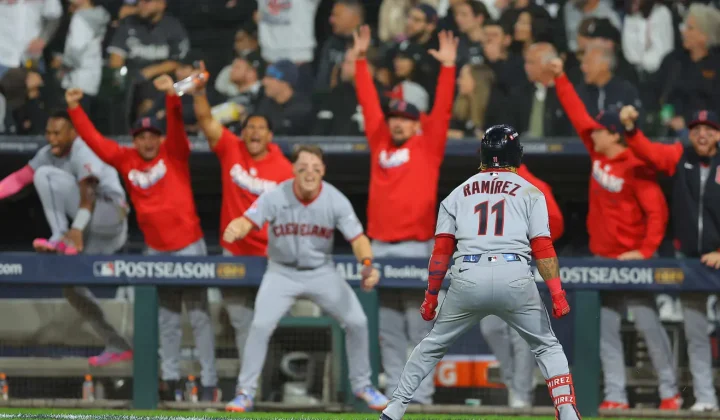
Guardians Force Winner-Take-All ALDS Game 5 With Six-Run Sixth Inning in Chicago
Cleveland scored six runs in the sixth inning to beat the White Sox 9-5 in Game 4 of the ALDS, setting up…
Read story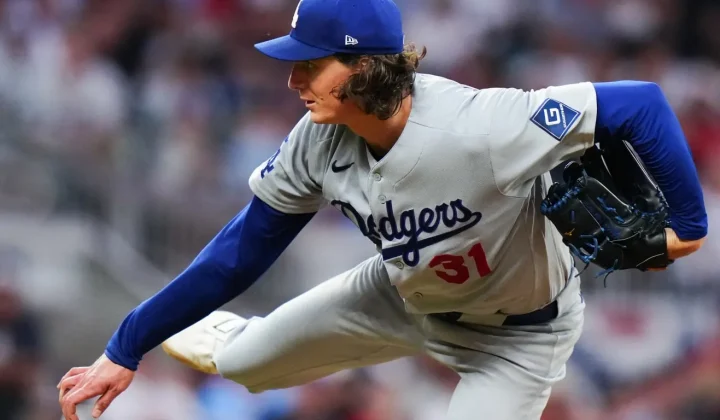
Dodgers Take Commanding 3-1 NLDS Lead Behind Glasnow’s Gritty Outing in Atlanta
Tyler Glasnow battled through command issues but limited Atlanta to one run over 4 2/3 innings as Los Angeles took a 3-1…
Read storyRelated wiki

MLB Wild Card Rules Explained: Format, Tiebreakers & Postseason Impact
How the MLB wild card works in the current postseason format, including tiebreaker procedures, the 3-game series structure, and what it means…
Read storyPlayoff race
Reference page for playoff race language, qualification lines, tiebreakers and games-in-hand context.
Read story