The Unshakeable Foundation: How Injuries Reshape NFL Playoff Contenders
Key injuries can derail even the most dominant NFL teams. This analysis explores how recent player absences are altering the landscape of the current playoff race and what teams can do to mitigate the damage.
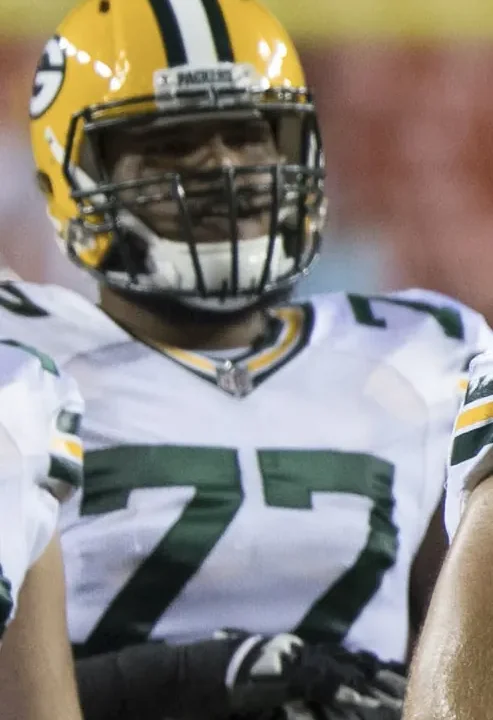
The NFL season is a grueling marathon, and while offensive firepower and defensive dominance often steal the headlines, the true mettle of a championship contender is often forged in the crucible of adversity. Specifically, the impact of injuries on playoff aspirations can be profound, capable of transforming a seemingly invincible team into a vulnerable underdog. This season is no exception, with several key players suiting up with an asterisk next to their names, forcing teams to adapt and potentially rethink their Super Bowl chances.
The NFL playoff race is a dynamic entity, constantly shifting with each week’s results. However, the sudden loss of a Pro Bowl quarterback, a dominant pass rusher, or a crucial offensive lineman can accelerate or halt a team’s momentum far more dramatically than a single game outcome. Understanding these injury impacts is vital for any fan looking to decipher which teams possess the depth and resilience to navigate the treacherous path to the postseason and beyond.
Why It Matters: The Ripple Effect of Player Absence
In a sport as physically demanding as American football, injuries are an unfortunate inevitability. However, the *type* of injury and the *player* who sustains it can have vastly different consequences. A minor tweak to a rotational defensive back might be absorbed by the next man up, but the loss of a team’s primary signal-caller or its most impactful pass rusher creates a vacuum that is difficult, if not impossible, to fill.
These absences don’t just affect the on-field performance; they can also have psychological ramifications. A team built around a star player might falter if that player is sidelined, impacting morale and confidence. Conversely, teams that have successfully weathered significant injuries often demonstrate remarkable grit and adaptability, revealing a deeper strength in their coaching and overall roster construction. The ability to overcome these setbacks is a hallmark of true contenders.
What Sources Show: Tracking the Injury Tide
Examining official injury reports and reputable sports news outlets provides a clear picture of the current landscape. For instance, the Kansas City Chiefs have consistently managed key absences, with their offensive line and secondary facing challenges throughout the season. While Patrick Mahomes’s brilliance often masks other issues, the team’s ability to win tight games despite these setbacks speaks to Andy Reid’s coaching and the depth of the roster.
Similarly, the Philadelphia Eagles have grappled with injuries to critical defensive players, notably in their secondary. The impact of losing key contributors in pass coverage can be immediately felt, as evidenced by recent performances where opponents have exploited these weaknesses. Their ability to adapt their defensive schemes will be crucial as they navigate the latter half of the season.
The Buffalo Bills have also seen their share of injury concerns, particularly impacting their defensive front. The pressure generated by a strong pass rush is a cornerstone of their defensive identity, and the absence of key players in this area forces adjustments that can open up opportunities for opposing offenses.
Competing Readings: Depth vs. Star Power
The debate often rages: is it better to have a few transcendent stars and less depth, or a more balanced roster with fewer elite talents? Injuries tend to highlight this dichotomy. Teams that rely heavily on a single superstar quarterback, for example, are exceptionally vulnerable if that player goes down. While the supporting cast might be capable, they often lack the game-breaking ability to carry the team consistently.
Conversely, teams with exceptional depth across multiple positions can absorb injuries more effectively. Their coaching staff can confidently rotate players, and the “next man up” mentality is more than just a slogan; it’s a functional reality. However, even the deepest rosters can be tested by the loss of multiple high-impact players, particularly on the offensive and defensive lines, where continuity and physical dominance are paramount.
A look at teams like the San Francisco 49ers, who have managed to maintain a high level of play despite some significant injuries, suggests that strong coaching, a well-designed scheme, and a culture of preparedness can mitigate the loss of individual talent. Their offensive and defensive schemes are designed to function effectively even with personnel changes, a testament to Kyle Shanahan’s and Steve Wilks’s tactical acumen.
What Could Change Next: Adapting to the New Normal
As the season progresses, teams will continue to monitor their injury reports with a keen eye. Key players returning from injured reserve can provide a significant boost, injecting new life into a struggling offense or defense. Conversely, new injuries can emerge, forcing teams to pivot and re-evaluate their playoff chances.
The trade deadline, if it has passed, often becomes a secondary factor, with teams looking to acquire depth or plug immediate holes created by long-term injuries. For teams that have already made their moves, the focus shifts entirely inward – can they refine their current personnel to compensate for what they’ve lost?
The upcoming schedule also plays a critical role. Facing a gauntlet of tough opponents with key players sidelined presents a far greater challenge than navigating a weaker schedule. Teams will need to find ways to win ugly, relying on a strong run game, a stout defense, or opportunistic special teams play to grind out victories.
What Remains Unclear: The X-Factors
Despite meticulous injury tracking and analysis, certain elements remain inherently uncertain. The speed and completeness of a player’s recovery can be unpredictable. A player may return, but their effectiveness might be diminished, impacting their performance on the field. Furthermore, the psychological impact of an injury – both on the injured player and their teammates – is difficult to quantify.
The long-term consequences of certain injuries, especially those involving the brain or joints, are also a concern. While teams focus on immediate playoff contention, the health and well-being of their players beyond the current season are crucial considerations, though often secondary in the heat of a playoff push.
Finally, the sheer unpredictability of the NFL means that even the healthiest teams can suffer a sudden, season-ending injury to a vital player. This inherent randomness is part of what makes the league so compelling, but it also means that definitive pronouncements about playoff fates must always be made with a degree of caution. The ability to adapt, to find solutions in the face of unexpected challenges, will ultimately define the success of these NFL playoff contenders.
| Team Example | Key Injury Area | Potential Impact | Mitigation Strategy |
|---|---|---|---|
| Chiefs | Offensive Line | Reduced pass protection, run game struggles | Strong coaching schemes, Mahomes’s elusiveness |
| Eagles | Secondary | Vulnerable to deep passes, increased opponent scoring | Scheme adjustments, veteran leadership in the backfield |
| Bills | Defensive Front | Less pressure on opposing QBs, increased run defense reliance | Creative blitz packages, strong linebacker play |
| 49ers | Various | Need for depth and scheme flexibility | Robust roster depth, adaptable coaching staff |
Related news
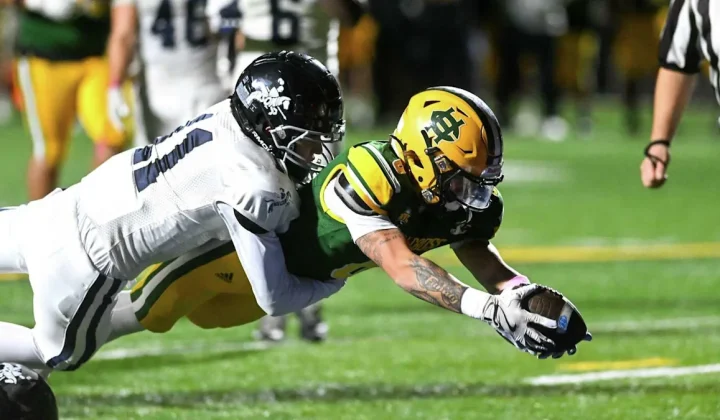
Holy Cross football ends 16-year drought against Ansonia behind Nate Craft’s four touchdowns
The Crusaders overcame a third-quarter deficit to beat Ansonia 48-37, snapping a losing streak that dated back to 2009 and improving to…
Read story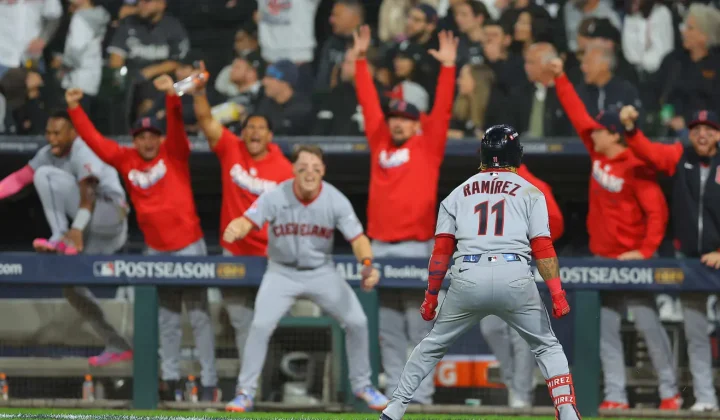
Guardians Force Winner-Take-All ALDS Game 5 With Six-Run Sixth Inning in Chicago
Cleveland scored six runs in the sixth inning to beat the White Sox 9-5 in Game 4 of the ALDS, setting up…
Read story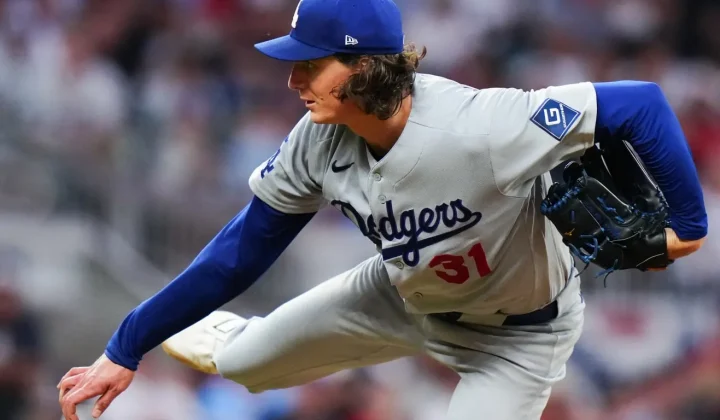
Dodgers Take Commanding 3-1 NLDS Lead Behind Glasnow’s Gritty Outing in Atlanta
Tyler Glasnow battled through command issues but limited Atlanta to one run over 4 2/3 innings as Los Angeles took a 3-1…
Read story
Braves Face Elimination as Dodgers Seek NLCS Berth in Game 4 NLDS Showdown
The Atlanta Braves host the Los Angeles Dodgers in a pivotal Game 4 of the National League Division Series on Wednesday night.…
Read storyRelated wiki

MLB Wild Card Rules Explained: Format, Tiebreakers & Postseason Impact
How the MLB wild card works in the current postseason format, including tiebreaker procedures, the 3-game series structure, and what it means…
Read storyPlayoff race
Reference page for playoff race language, qualification lines, tiebreakers and games-in-hand context.
Read story