The NFL’s Tightrope Walk: Balancing Star Power with Sustainable Success
Examining how NFL teams leverage star players for immediate success while navigating the challenges of long-term roster building and avoiding a "win-now" trap.

The allure of the superstar is undeniable in the NFL. Franchises often build their identity, marketing, and hopes around a handful of transcendent talents – the quarterback slinging dimes, the pass rusher wreaking havoc, or the game-breaking wide receiver. This concentration of talent can undoubtedly lead to immediate success, catapulting teams into playoff contention and even Super Bowl contention. However, the NFL is a league where parity is a constant pursuit, and the question remains: to what extent can a team truly build sustainable success on the back of its stars, versus a more balanced, analytically driven approach to roster construction?
This analysis will explore the delicate balance NFL teams must strike between capitalizing on the immediate impact of star players and fostering long-term organizational health. We will examine how prioritizing “win-now” strategies centered around established stars can sometimes create significant future liabilities, and conversely, how a relentless focus on the draft and analytics can sometimes miss the window of opportunity for immediate contention. The goal is to understand the strategic decisions behind building a franchise that can consistently compete, rather than merely flickering with star power.
The Magnetic Pull of Star Power
The immediate impact of a bona fide superstar cannot be overstated. A player like Patrick Mahomes in Kansas City, for instance, fundamentally alters a team’s offensive potential and championship aspirations. His presence can elevate the play of those around him, attract complementary talent, and generate significant fan engagement and revenue. Teams with such players often find themselves in the playoff conversation year after year, creating a compelling narrative and a lucrative market for merchandise and ticket sales.
The NFL’s salary cap structure, while designed to promote parity, also presents a unique challenge. Elite players command elite salaries, consuming a significant portion of a team’s cap space. This can force difficult decisions regarding other roster spots, potentially leading to a less balanced team overall. The temptation to “go all-in” by trading future draft picks for veteran stars or overpaying free agents to surround a star player with talent is a recurring theme in NFL history. While this can lead to a Super Bowl ring, it often leaves the franchise in a precarious position once that window closes, facing cap constraints and a depleted draft board.
Analytics and the Draft: Building from Within
In recent years, the analytical revolution has permeated NFL front offices. Data-driven decision-making, particularly in evaluating draft prospects and player performance, has become paramount. Teams like the Cleveland Browns, under their analytics-heavy front office, have prioritized accumulating draft capital and building a deep roster of young, cost-controlled talent. The underlying philosophy is that consistent success is best achieved by identifying and developing players who fit a specific system, rather than solely relying on the availability of high-profile free agents or the perceived “can’t-miss” draft picks.
The NFL Draft is the lifeblood of most successful franchises. It offers the opportunity to acquire high-impact players at a fraction of the cost of veteran free agents. Teams that excel in the draft, identifying talent that outperforms their draft position, are often the ones that achieve sustained success. This approach requires patience and a long-term vision, as draft picks typically take time to develop into significant contributors. However, the reward is a team built on a solid foundation, less susceptible to the volatile landscape of free agency and the aging curve of veteran stars.
The “Win-Now” vs. “Build for Tomorrow” Dilemma
The inherent tension lies in the NFL’s short-term, win-obsessed culture versus the long-term strategic planning required for sustained success. A team with a window of championship contention, often dictated by the contract status of a star quarterback or a talented veteran core, faces immense pressure to capitalize. This can lead to aggressive moves in free agency and trades, sacrificing future assets for immediate impact.
Consider the Los Angeles Rams under Sean McVay. Their “all-in” approach, culminating in a Super Bowl LVI victory, involved significant trades for established stars like Matthew Stafford and Von Miller. While successful in the short term, these moves came at the cost of future draft picks, leaving the team with less flexibility for rebuilding or retooling in the subsequent seasons. This strategy is a high-stakes gamble, where the reward is immense, but the potential downside – a prolonged period of mediocrity – is equally significant.
Conversely, teams that prioritize the draft and long-term development might miss their window of opportunity. A talented young quarterback could be surrounded by a less experienced or less proven roster, limiting their immediate potential. The challenge for any NFL front office is to find the optimal blend of immediate competitiveness and future sustainability.
Case Studies: Contrasting Philosophies
| Team Example | Primary Strategy | Key Star(s) | Draft Capital Philosophy | Free Agency Approach | Recent Success Outcome | Long-Term Outlook |
|---|---|---|---|---|---|---|
| Kansas City Chiefs | Star Quarterback & System Development | Patrick Mahomes | Strategic, not excessive | Targeted, value-driven | Multiple Super Bowl appearances and wins | High, with Mahomes at the helm |
| Cleveland Browns | Draft Capital & Analytics | Myles Garrett | Prioritize accumulation | More cautious | Playoff appearances, seeking sustained contention | Promising, with a young core and draft flexibility |
| Los Angeles Rams | “Win-Now” with Veteran Acquisitions | Aaron Donald, Cooper Kupp | Traded away significant | Aggressive | Super Bowl LVI victory | Uncertain, facing cap constraints and fewer picks |
| Green Bay Packers | Draft & Develop, QB-centric | Aaron Rodgers (past) | Strong emphasis on draft | Value-oriented | Consistent playoff contention, few Super Bowls | Transitioning, reliant on Jordan Love’s development |
The Kansas City Chiefs, with Patrick Mahomes, represent a prime example of how to leverage star power while maintaining organizational health. While they have made key acquisitions, their sustained success has been built on a strong draft foundation and smart coaching. They haven’t consistently sacrificed future assets to an extreme degree, allowing them to remain competitive year after year.
The Cleveland Browns, on the other hand, have famously stockpiled draft picks, aiming to build a deep and talented roster through the draft. Their challenge has been translating that draft capital into consistent on-field success and finding the right veteran pieces to complement their young talent.
What Could Change Next?
The ongoing evolution of offensive and defensive schemes, coupled with advancements in sports science and player development, will continue to influence how teams approach roster construction. The increasing sophistication of analytics may lead to a more nuanced understanding of player value beyond traditional metrics. This could shift the focus from purely “star power” to identifying undervalued players who fit specific roles within a system.
Furthermore, the collective bargaining agreement and its impact on the salary cap will remain a crucial factor. Any changes to the cap, revenue sharing, or rookie wage scale could alter the calculus for “win-now” versus “build-for-tomorrow” strategies.
What Remains Unclear?
The ultimate success of any roster-building strategy is often subject to the unpredictable nature of injuries and the sheer luck involved in the NFL. A single, devastating injury to a star player can derail even the most meticulously crafted “win-now” plan. Conversely, a team built through the draft might experience unexpected breakout performances from unheralded players.
The precise formula for sustainable NFL success remains elusive, a constantly shifting target. It’s a dynamic interplay between identifying and acquiring elite talent, developing that talent effectively, managing the salary cap judiciously, and adapting to the ever-changing landscape of the league. While star players will always be a significant draw, the teams that consistently compete are often those that master the art of building a complete, well-rounded roster with a clear long-term vision, rather than solely chasing the immediate gratification of individual brilliance. The tightrope walk between capitalizing on present talent and securing future prosperity is the defining strategic challenge of the modern NFL.
Related news
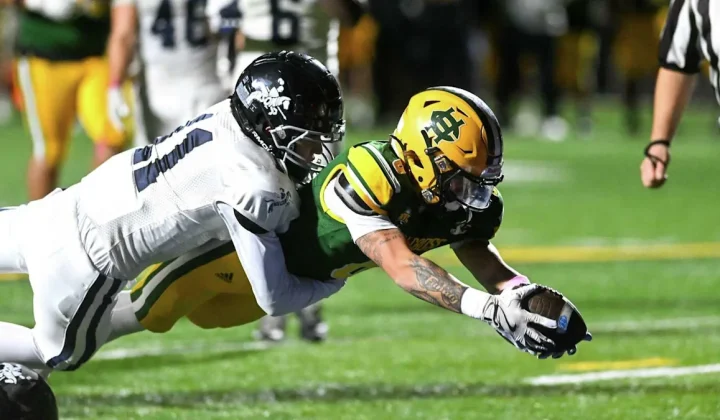
Holy Cross football ends 16-year drought against Ansonia behind Nate Craft’s four touchdowns
The Crusaders overcame a third-quarter deficit to beat Ansonia 48-37, snapping a losing streak that dated back to 2009 and improving to…
Read story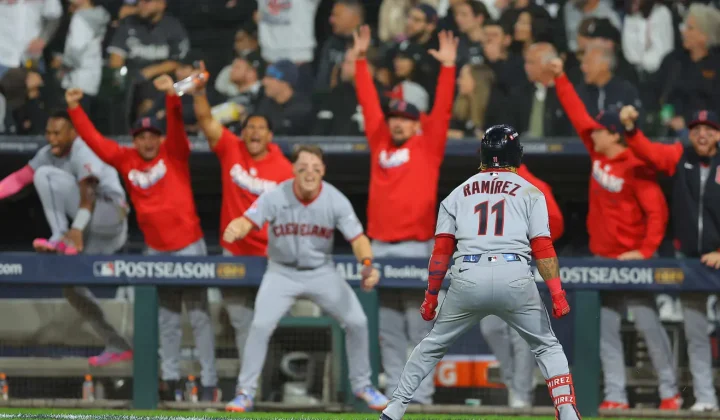
Guardians Force Winner-Take-All ALDS Game 5 With Six-Run Sixth Inning in Chicago
Cleveland scored six runs in the sixth inning to beat the White Sox 9-5 in Game 4 of the ALDS, setting up…
Read story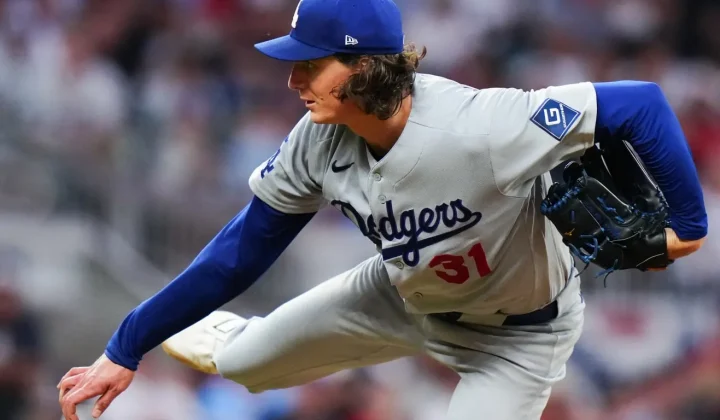
Dodgers Take Commanding 3-1 NLDS Lead Behind Glasnow’s Gritty Outing in Atlanta
Tyler Glasnow battled through command issues but limited Atlanta to one run over 4 2/3 innings as Los Angeles took a 3-1…
Read story
Braves Face Elimination as Dodgers Seek NLCS Berth in Game 4 NLDS Showdown
The Atlanta Braves host the Los Angeles Dodgers in a pivotal Game 4 of the National League Division Series on Wednesday night.…
Read storyRelated wiki

MLB Wild Card Rules Explained: Format, Tiebreakers & Postseason Impact
How the MLB wild card works in the current postseason format, including tiebreaker procedures, the 3-game series structure, and what it means…
Read storyPlayoff race
Reference page for playoff race language, qualification lines, tiebreakers and games-in-hand context.
Read story