The NFL’s Tight-End Transformation: How Analytics are Reshaping the Position
Once primarily blockers, NFL tight ends are now dynamic playmakers, with analytics revealing their evolving impact on offenses and the strategic shifts they necessitate.


The NFL landscape is in constant flux, with teams perpetually seeking an edge. While quarterback play and defensive schemes often dominate headlines, a more subtle but equally significant transformation is underway at the tight end position. Once largely relegated to blocking duties, the modern NFL tight end is increasingly becoming a multifaceted weapon, a development deeply intertwined with the proliferation of advanced analytics. This shift is not merely about individual player skill; it’s a strategic evolution influencing offensive design, personnel decisions, and ultimately, game outcomes.
The traditional image of a tight end conjures up a hulking figure, primarily responsible for setting the edge in the run game or providing a crucial chip block. However, the game’s increasing sophistication, fueled by data analysis, has redefined what teams seek in this hybrid role. Analytics have illuminated the value of tight ends who can contribute significantly in the passing game, creating mismatches against linebackers and safeties, while still retaining enough physicality to be a presence in the trenches. This dual-threat capability has led to a re-evaluation of how the position is scouted, drafted, and utilized, pushing teams to develop or acquire players who can excel in both areas.
Why This Evolution Matters
The strategic implications of the tight end’s evolving role are profound. A tight end who can reliably run routes, catch passes in traffic, and gain yards after the catch adds a crucial dimension to any offense. They can operate as a consistent safety valve for quarterbacks, exploit matchups against slower defenders, and even function as a primary receiving option in certain formations. This versatility forces opposing defenses to account for them in ways that a traditional blocker never demanded. Defenses must decide whether to use a linebacker, who might be outmatched in coverage speed, or a safety, who could be vulnerable against the run. This element of mismatch creation is a key driver of offensive success in today’s NFL.
Furthermore, the analytical understanding of tight end contributions extends beyond simple receiving statistics. Metrics like yards after catch (YAC), contested catch percentage, and even pass-blocking efficiency (analyzed through pressures allowed and hurry rates) provide a more holistic view of a player’s impact. Teams are now better equipped to quantify the value a tight end brings to both phases of offensive play, leading to more informed player evaluation and contract negotiations.
What Sources Show
Evidence of this transformation is readily available across the league. Teams that have enjoyed recent success often feature tight ends who are prominent figures in their passing attacks. For instance, the Kansas City Chiefs’ Travis Kelce has become a generational talent, consistently among the league leaders in receptions, receiving yards, and touchdowns, showcasing the apex of the modern tight end. His ability to run precise routes and make crucial catches in high-pressure situations is a testament to both his individual skill and the offensive scheme designed to leverage it.
Looking at team statistics, we see a clear trend of increased targets and receptions for tight ends. While raw numbers are only part of the story, they indicate a strategic shift. In 2023, for example, multiple tight ends ranked within the top 50 in receiving yards, a feat more common now than in previous decades. This isn’t to say blocking has become irrelevant; it remains a foundational element of the position. However, the emphasis has shifted, with teams prioritizing tight ends who can offer a more complete package. Official NFL injury reports and transaction pages often highlight the impact of losing a key tight end, underscoring their offensive importance. League websites and team-specific pages provide the schedules and statistics that allow for this analysis.
Competing Readings
While the trend towards a more pass-catching-oriented tight end is clear, there are competing perspectives on its ultimate implications. Some analysts argue that an overemphasis on the receiving aspect can compromise the offensive line’s integrity, especially in run-heavy schemes or against defenses that excel at pressuring the quarterback. The physical demands of blocking are significant, and players who excel at both may be rare and highly valuable, driving up compensation.
Another reading suggests that the analytics, while powerful, may not fully capture the nuanced impact of blocking. The subtle ways a tight end can influence a run play – by sealing a defender, creating a lane, or simply occupying a lineman – are difficult to quantify with perfect accuracy. Therefore, teams must strike a delicate balance between maximizing receiving potential and ensuring foundational blocking capabilities. This balance is often dictated by the overall offensive philosophy of the team and the strengths of its other offensive linemen.
What Could Change Next
The continued evolution of analytics will likely further refine the evaluation and utilization of tight ends. Expect to see more sophisticated metrics emerge that better capture blocking effectiveness and overall offensive synergy. This could lead to even more specialized roles within the tight end position itself, with some players being utilized primarily as receiving threats and others as dominant blockers, depending on the team’s needs.
The demand for versatile tight ends will continue to drive draft strategies and free agency acquisitions. Teams may invest more heavily in developing players with a high ceiling in both blocking and receiving from college. Furthermore, offensive line coaching will likely adapt to incorporate even more sophisticated techniques that leverage the unique abilities of modern tight ends, perhaps through unique blocking schemes or pass-protection adjustments. The emergence of new offensive concepts, perhaps influenced by international football or other sports, could also introduce novel ways to deploy tight ends.
What Remains Unclear
Despite the advancements, several aspects of the tight end’s future remain subject to interpretation. The precise optimal balance between blocking and receiving for different offensive schemes is still a subject of ongoing debate. How the increasing physicality of the game and the potential for further rule changes might impact the dual-threat capabilities of tight ends is also uncertain.
Moreover, the long-term impact of analytics on player development and injury prevention within the position is yet to be fully understood. While analytics can identify trends, predicting individual player success and longevity remains a challenge. The true extent to which positional specialization will occur, and whether it will lead to a greater disparity in player value, is also an open question. The league’s continued commitment to player safety could also influence how tight ends are deployed, particularly in blocking situations.
| Metric | Traditional TE Value | Modern TE Value (Analytics-Informed) |
|---|---|---|
| Pass Blocking Efficiency | High (Primary Focus) | High (Essential Component) |
| Run Blocking | High (Primary Focus) | High (Essential Component) |
| Receiving Yards | Moderate | High (Significant Contributor) |
| Receptions | Moderate | High (Key Target in Passing Game) |
| Yards After Catch (YAC) | Low | Moderate to High (Playmaking Ability) |
| Contested Catch Percentage | N/A | Moderate to High (Reliability) |
The tight end position is in a fascinating state of transition. Fueled by the insights gleaned from advanced analytics, teams are increasingly recognizing and cultivating players who can contribute significantly in both the running and passing games. This evolution is not just a trend; it’s a fundamental shift in how offenses are strategized and executed in the modern NFL. As data continues to inform decision-making, the role of the tight end will undoubtedly continue to be refined, promising even more dynamic and unpredictable play on Sundays. Readers should continue to monitor how individual teams adapt their schemes and player personnel to this evolving landscape, paying close attention to how these versatile athletes impact game outcomes.
Related news
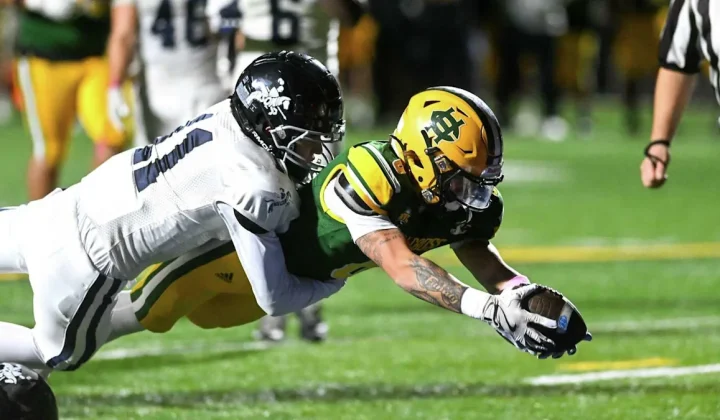
Holy Cross football ends 16-year drought against Ansonia behind Nate Craft’s four touchdowns
The Crusaders overcame a third-quarter deficit to beat Ansonia 48-37, snapping a losing streak that dated back to 2009 and improving to…
Read story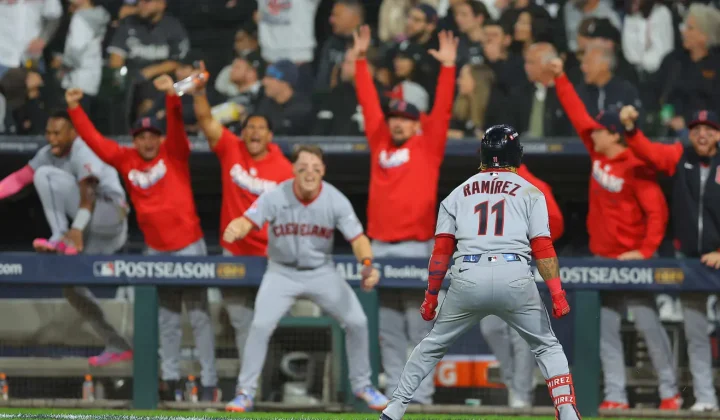
Guardians Force Winner-Take-All ALDS Game 5 With Six-Run Sixth Inning in Chicago
Cleveland scored six runs in the sixth inning to beat the White Sox 9-5 in Game 4 of the ALDS, setting up…
Read story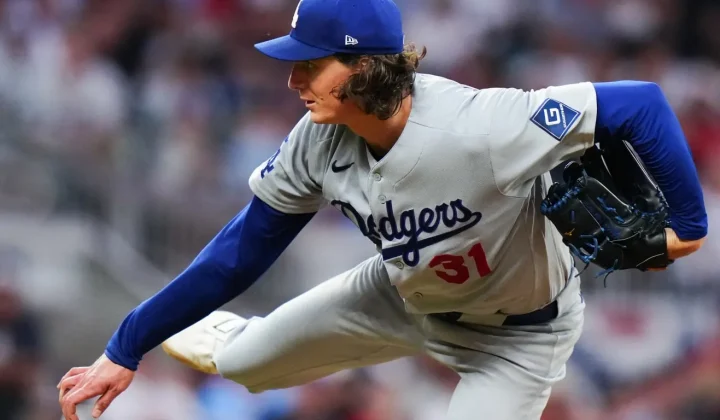
Dodgers Take Commanding 3-1 NLDS Lead Behind Glasnow’s Gritty Outing in Atlanta
Tyler Glasnow battled through command issues but limited Atlanta to one run over 4 2/3 innings as Los Angeles took a 3-1…
Read story
Braves Face Elimination as Dodgers Seek NLCS Berth in Game 4 NLDS Showdown
The Atlanta Braves host the Los Angeles Dodgers in a pivotal Game 4 of the National League Division Series on Wednesday night.…
Read storyRelated wiki

MLB Wild Card Rules Explained: Format, Tiebreakers & Postseason Impact
How the MLB wild card works in the current postseason format, including tiebreaker procedures, the 3-game series structure, and what it means…
Read storyPlayoff race
Reference page for playoff race language, qualification lines, tiebreakers and games-in-hand context.
Read story