The Evolving Landscape of Sports Media and Athlete Influence
This column examines the evolving relationship between sports media, athlete representation, and fan engagement in the modern era, drawing on academic research and industry reports.


The modern sports media ecosystem is a complex and constantly shifting terrain. Beyond the traditional reporting of scores and statistics, a deeper narrative has emerged, one where the athlete’s persona, personal story, and public image are as crucial as their on-field performance. This column delves into how this individualization of sports coverage, fueled by new media platforms and shifting fan expectations, is reshaping sports journalism and the very definition of sports stardom. We will explore the mechanisms behind this phenomenon, the evidence supporting its impact, and what the future may hold for both athletes and the media that covers them.
Why This Matters
The way sports are covered directly influences how fans perceive athletes, teams, and the games themselves. As highlighted by research from Frontiers in Sociology, athletes are no longer just performers; they are central elements of journalistic texts, with their performances, personal stories, and opinions meticulously covered. This “individualization” extends beyond athletic achievements, encompassing their personalities, lifestyles, and even their off-field partnerships. This creates a powerful “star image,” fostering emotional connections and solidifying their status as global icons, akin to how politicians are marketed. Understanding this dynamic is crucial for comprehending fan engagement, the commercialization of sports, and the strategic communication of sports organizations. The Nielsen 2025 Global Sports Report further underscores this, noting that passionate fans are more connected than ever, driven by increased globalization and diversifying fandoms, necessitating new strategies for brands and rights holders to create authentic connections.
What Sources Show
Academic research provides a foundational understanding of this shift. The Frontiers in Sociology article emphasizes that media coverage of athletes is enriched by various journalistic genres, including match reports, athlete profiles, analyses, interviews, and editorials. These formats cater to different reader interests, offering a variety of information and perspectives. This is directly observable on platforms like NationalSportsWeb, which aims to provide “fresh sports stories with quick context and direct routes into fixtures, tables, teams and tournaments.” The site’s examples, such as covering Shea Theodore’s playoff winner or Austin Wells’ injury, demonstrate a blend of on-field action and athlete-specific news.
The Nielsen 2025 Global Sports Report points to significant trends driving this evolution. With 51% of people globally identifying as football (soccer) fans, and growing interest in women’s sports (47% of women’s sports fans are female), the landscape of fandom is diversifying. Furthermore, the rise of streaming among older demographics (50+) and the emergence of tech-infused leagues like TGL indicate a demand for new media formats. This suggests that media outlets must adapt to reach these varied and connected fan bases effectively.
Competing Readings
While the individualization of sports media is evident, there are differing interpretations of its ultimate impact. One perspective, supported by the academic articles, suggests this creates a richer, more engaging experience for fans, fostering deeper connections with athletes and their narratives. It allows for the celebration of individual talent and personality, turning athletes into relatable, aspirational figures.
However, an alternative reading, hinted at in research examining sports media credibility and bias, could raise concerns about potential overemphasis on personality over substance, or the risk of sensationalism. The focus on individual athletes might overshadow critical analysis of team dynamics, league-wide issues, or the systemic aspects of sports. The constant demand for athlete-centric content could also lead to increased pressure on athletes, blurring the lines between their professional and private lives, and potentially impacting their well-being. The “Sports press: an explanatory and identity scheme” article touches on how athletes serve as “figures of projection” and “emblems for territorial arguments,” which can be a powerful tool but also carries the risk of oversimplification.
What Could Change Next
The trajectory of sports media will likely be influenced by several factors. The continued growth of women’s sports presents a significant opportunity for new narratives and athlete spotlights, requiring dedicated and nuanced coverage. As seen in the Nielsen report, the increasing use of streaming and emerging tech-infused leagues suggests that media consumption will become even more fragmented and personalized. This will likely push sports media outlets to adopt more diverse content formats, from short-form video to interactive data visualizations.
Furthermore, the role of social media will continue to evolve. While social platforms offer direct access to athletes and real-time fan interaction, they also present challenges in maintaining journalistic integrity and discerning credible information. As research on media credibility suggests, issues of bias and political identification can become intertwined with sports reporting, requiring a vigilant approach from both media producers and consumers. The constant demand for “new” content could also lead to an exploration of less conventional sports or niche fan bases, as indicated by the broad scope of NationalSportsWeb’s coverage.
What Remains Unclear
Despite the clear trends, several aspects remain uncertain. The long-term impact of hyper-individualized sports coverage on the integrity and depth of sports journalism is still developing. Will the focus on athlete personas detract from substantive analysis of the games themselves? How will media outlets balance the commercial pressures of athlete branding with their journalistic responsibilities?
The ethical implications of athlete visibility, particularly concerning mental health and privacy, also warrant continued scrutiny. As athletes become increasingly commodified, ensuring their well-being and autonomy will be a critical challenge for sports organizations and media alike. Finally, the true impact of new media formats on genuine fan engagement, beyond superficial metrics, is an area that will require ongoing research and evaluation. The integration of technology in sports, as hinted by leagues like TGL, could fundamentally alter how fans interact with the game and its stars, leading to unforeseen consequences and opportunities.
| Aspect of Sports Media | Traditional Focus | Modern Evolution | Potential Challenges |
|---|---|---|---|
| Athlete Coverage | Performance, stats, team role | Persona, personal story, lifestyle, brand partnerships | Over-personalization, privacy concerns, media bias |
| Content Formats | Match reports, news articles | Video, podcasts, social media, interactive data, short-form content | Maintaining depth, information overload, credibility |
| Fan Engagement | Spectatorship, local team support | Global fandom, online communities, direct athlete interaction | Superficial engagement, echo chambers, misinformation |
| Commercialization | Sponsorships, advertising | Athlete branding, influencer marketing, direct-to-fan platforms | Ethical considerations, athlete exploitation, authenticity |
Related news
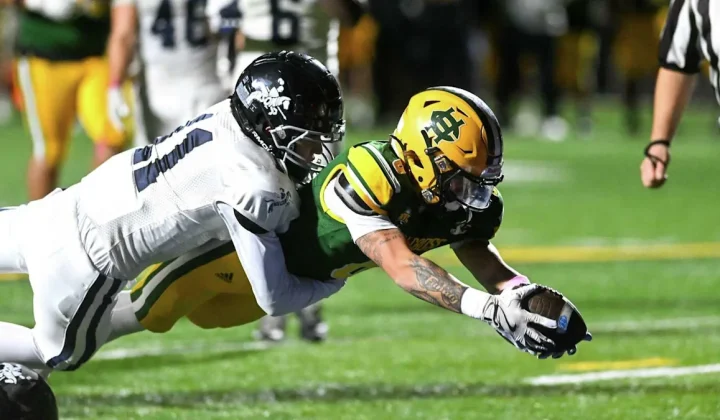
Holy Cross football ends 16-year drought against Ansonia behind Nate Craft’s four touchdowns
The Crusaders overcame a third-quarter deficit to beat Ansonia 48-37, snapping a losing streak that dated back to 2009 and improving to…
Read story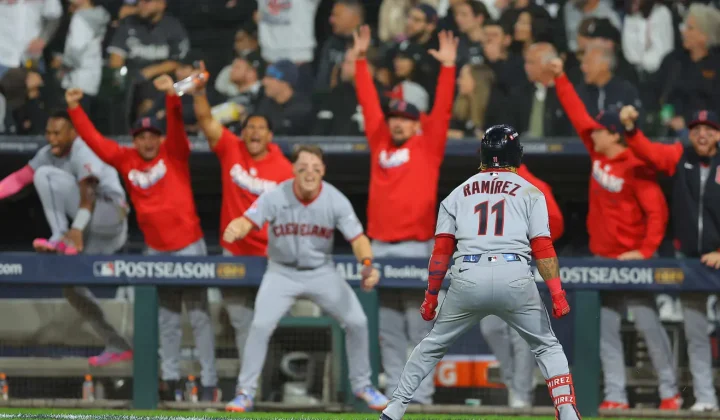
Guardians Force Winner-Take-All ALDS Game 5 With Six-Run Sixth Inning in Chicago
Cleveland scored six runs in the sixth inning to beat the White Sox 9-5 in Game 4 of the ALDS, setting up…
Read story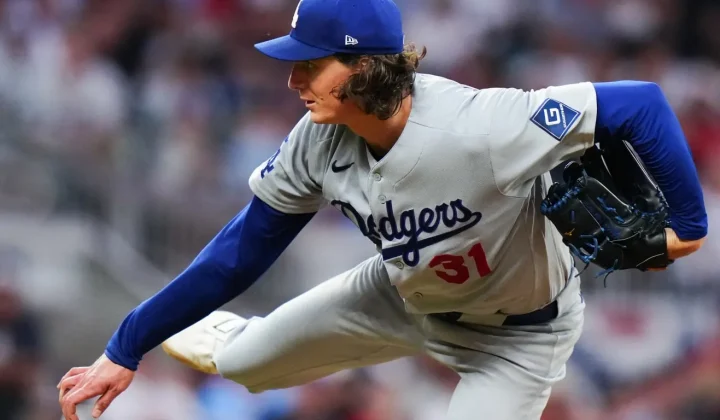
Dodgers Take Commanding 3-1 NLDS Lead Behind Glasnow’s Gritty Outing in Atlanta
Tyler Glasnow battled through command issues but limited Atlanta to one run over 4 2/3 innings as Los Angeles took a 3-1…
Read story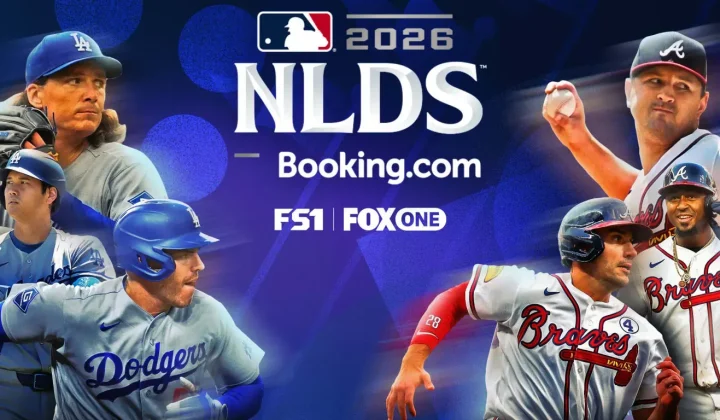
Braves Face Elimination as Dodgers Seek NLCS Berth in Game 4 NLDS Showdown
The Atlanta Braves host the Los Angeles Dodgers in a pivotal Game 4 of the National League Division Series on Wednesday night.…
Read storyRelated wiki

MLB Wild Card Rules Explained: Format, Tiebreakers & Postseason Impact
How the MLB wild card works in the current postseason format, including tiebreaker procedures, the 3-game series structure, and what it means…
Read storyPlayoff race
Reference page for playoff race language, qualification lines, tiebreakers and games-in-hand context.
Read story