The Shifting Sands of Sports Media: Navigating Bias and Truth in the Digital Age
In an era of information overload, understanding the nuances of sports media bias is crucial for fans seeking objective analysis and reliable insights.

The landscape of sports media has transformed dramatically. What was once a relatively straightforward ecosystem of print, radio, and television has exploded into a digital torrent of information, opinion, and analysis. For the dedicated sports fan, this offers unprecedented access to content, but it also presents a significant challenge: discerning reliable, objective reporting from biased narratives and outright misinformation. This column will explore the evolving nature of sports media, the pervasive issue of bias, and provide a framework for readers to navigate this complex terrain and find the trustworthy analysis they seek.
Why Understanding Media Bias Matters in Sports
The impact of media bias on sports fandom is multifaceted. It can shape perceptions of athletes, teams, and even entire leagues. A consistently positive or negative portrayal can influence public opinion, affect player morale, and even impact sponsorship deals. In an age where social media amplifies every narrative, understanding how bias operates is not just about intellectual curiosity; it’s about being an informed consumer of sports content. As highlighted by Frontiers in Sociology, the individualized coverage of athletes often mirrors political marketing, creating star images and emotional connections that can overshadow objective performance analysis. This process, while engaging, can obscure critical evaluation.
What Sources Show About Sports Media Bias
The research packet points to several key areas where bias can manifest. Media Bias/Fact Check, for instance, is a resource dedicated to cataloging the bias of news sources. While not sports-specific, its methodology and the existence of such a resource underscore the reality of media bias across all sectors, including sports. On the other hand, academic studies like the one from Frontiers in Sociology delve into the journalistic genres and narrative structures used in sports reporting. They reveal how certain framing, such as focusing on individual athletes’ personal stories or controversies, can become a primary mechanism for engagement, sometimes at the expense of deeper tactical or systemic analysis. Furthermore, the very nature of sports journalism, as suggested by the “Sports press: an explanatory and identity scheme” article, revolves heavily around athletes as central figures, their performances, and their personal narratives. This inherent focus can lead to an overemphasis on personalities rather than the broader context of competition.
The Challenge of “Trusted” Sources
Navigating sports media requires a critical eye, especially when dealing with sources that may present themselves as authoritative. While sites like NationalSportsWeb aim to provide “fresh sports stories with quick context and direct routes into fixtures, tables, teams and tournaments,” and offer “fast routes into repeatable sports search intents,” the broader media ecosystem is more varied. The “Sports press” article notes that different journalistic genres respond to different “proximal mechanisms,” implying that even within reputable outlets, the purpose and approach of a match report might differ significantly from an editorial or an in-depth analysis piece. This means a reader must consider the *type* of content they are consuming. The existence of resources like Media Bias/Fact Check is a testament to the fact that not all sources are created equal, and some may lean significantly in one direction.
Competing Readings and Interpretations
One of the most significant challenges in sports media is the existence of competing narratives, often driven by differing editorial stances or reporting priorities. For example, a struggling team’s performance might be attributed by one outlet to poor coaching, while another might focus on a series of unfortunate injuries. The research packet offers a glimpse into this through the varied content found on sites like henrymakow.com, which, while not a sports site, demonstrates how deeply held beliefs can color the interpretation of events. In sports, this can manifest as a pundit’s long-standing loyalty to a team influencing their analysis, or a publication’s editorial line favoring sensationalism over nuanced reporting. Catapult’s insights into 2025 sports trends, focusing on technology and analytics, suggest a future where data-driven insights could offer a more objective layer to sports analysis, potentially counterbalancing purely opinion-based reporting.
| Source Type | Potential Bias Indicators | How to Verify |
|---|---|---|
| Mainstream Sports News Outlets | Emphasis on personality/drama, sensational headlines, lack of in-depth tactical analysis, consistent positive/negative framing of specific individuals/teams. | Cross-reference with multiple outlets, look for data-driven analysis, check author’s history/affiliations. |
| Opinion-Based Sports Blogs/Forums | Highly emotional language, anecdotal evidence presented as fact, lack of cited sources, strong allegiance to specific teams/players. | Treat as fan commentary, look for corroborating evidence from more objective sources, be aware of echo chambers. |
| Academic/Research Journals | Objective language, data-driven findings, peer review, focus on trends and systemic issues rather than individual events. | Can offer deeper insights into underlying factors, but may lack immediate event-specific analysis. |
| Official League/Team Sources | Factual reporting on schedules, standings, injuries, transactions. May present information in a way that favors the organization. | Use for foundational facts, but seek external analysis for interpretation and context. |
What Could Change Next
The ongoing evolution of sports media suggests several potential shifts. The increasing integration of advanced analytics and AI, as noted by Catapult, could lead to more data-backed journalism, offering fans a more objective lens through which to view performance. This could democratize analysis, moving beyond the traditional gatekeepers of sports commentary. Additionally, as consumers become more aware of media bias, there may be a greater demand for transparent and evidence-led reporting, pressuring outlets to adopt more rigorous standards. The rise of niche sports media platforms, each with its own audience and editorial focus, also means that fans can curate their own information streams, potentially seeking out perspectives that align with their desire for specific types of analysis.
What Remains Unclear
Despite these potential shifts, several aspects of sports media bias remain uncertain. The long-term impact of social media algorithms on the spread of information and misinformation is a significant question. Will these platforms continue to foster echo chambers, or will efforts to combat fake news be more effective? Furthermore, the economic models of sports media are constantly changing. As traditional revenue streams decline, the reliance on clickbait, sensationalism, or sponsored content could increase, potentially exacerbating bias issues. Finally, the very definition of “objective” sports analysis is subject to interpretation. Even data can be presented in ways that favor a particular narrative. Therefore, the need for critical thinking and media literacy among sports fans will remain paramount, regardless of technological advancements.
Related news
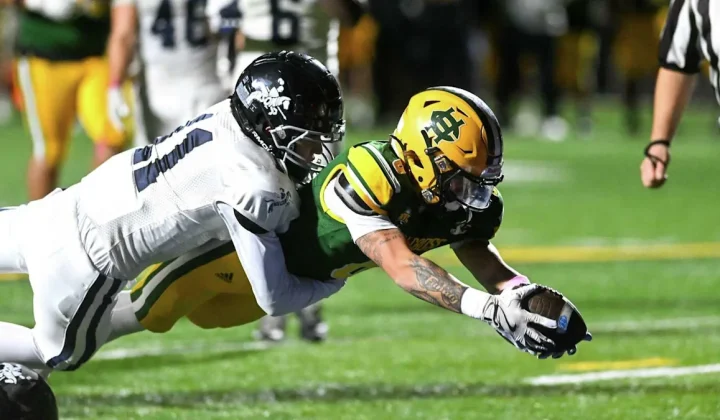
Holy Cross football ends 16-year drought against Ansonia behind Nate Craft’s four touchdowns
The Crusaders overcame a third-quarter deficit to beat Ansonia 48-37, snapping a losing streak that dated back to 2009 and improving to…
Read story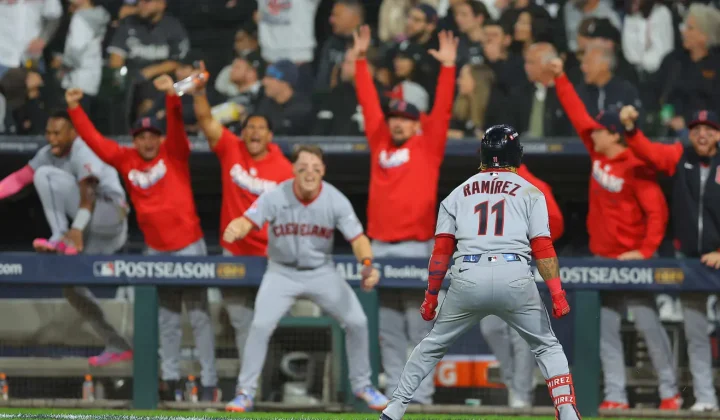
Guardians Force Winner-Take-All ALDS Game 5 With Six-Run Sixth Inning in Chicago
Cleveland scored six runs in the sixth inning to beat the White Sox 9-5 in Game 4 of the ALDS, setting up…
Read story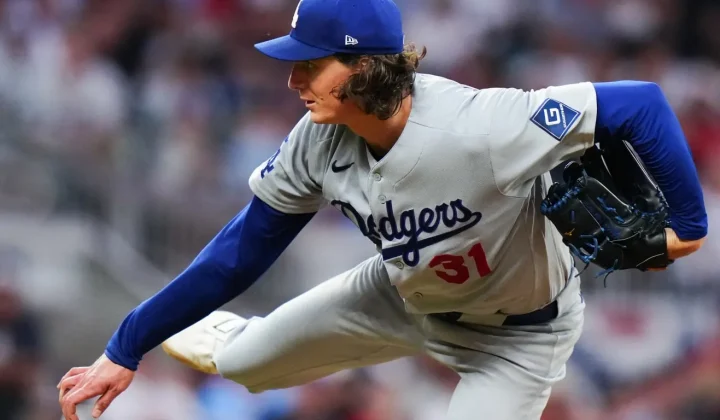
Dodgers Take Commanding 3-1 NLDS Lead Behind Glasnow’s Gritty Outing in Atlanta
Tyler Glasnow battled through command issues but limited Atlanta to one run over 4 2/3 innings as Los Angeles took a 3-1…
Read story
Braves Face Elimination as Dodgers Seek NLCS Berth in Game 4 NLDS Showdown
The Atlanta Braves host the Los Angeles Dodgers in a pivotal Game 4 of the National League Division Series on Wednesday night.…
Read storyRelated wiki

MLB Wild Card Rules Explained: Format, Tiebreakers & Postseason Impact
How the MLB wild card works in the current postseason format, including tiebreaker procedures, the 3-game series structure, and what it means…
Read storyPlayoff race
Reference page for playoff race language, qualification lines, tiebreakers and games-in-hand context.
Read story