Navigating the Shifting Sands: Understanding Media Bias in Sports Reporting
In an era of information overload, discerning the subtle influences of media bias in sports journalism is crucial for informed fandom. This column explores how bias can shape narratives and offers tools for readers to critically evaluate sports coverage.

In the fast-paced world of sports, where every game, every trade, and every player’s performance is scrutinized, the narrative is often as crucial as the statistics. However, this narrative is not always objective. The way sports news is presented can be subtly, or not so subtly, influenced by media bias, impacting how fans perceive events, athletes, and even the integrity of the games themselves. Understanding this bias is no longer just an academic exercise; it’s a vital skill for any engaged fan looking to navigate the complex landscape of sports information.
This column delves into the multifaceted nature of media bias in sports reporting. We will explore why it matters, examine the evidence from reputable sources, consider different interpretations of sports media’s role, and discuss what factors might influence these narratives in the future, as well as what remains uncertain.
Why Media Bias in Sports Reporting Matters
The impact of media bias extends far beyond simple preference. When sports reporting is skewed, it can influence public opinion about athletes, teams, and even the rules of the game. For instance, a consistently negative portrayal of a particular player, regardless of their on-field performance, can damage their reputation, affect their marketability, and influence fan sentiment. Conversely, overly positive coverage can obscure legitimate concerns. As highlighted by Frontiers in Sociology, sports media often centers narratives around athletes, enriching the reading experience through various genres like profiles, analyses, and editorials. This individualization, similar to political marketing, can create “star images” and emotional connections that might overshadow objective reporting. The way media frames these stories directly shapes how fans engage with and understand their favorite sports.
What the Sources Show About Media Bias
Assessing media bias requires looking at a range of sources, from academic research to media watchdog organizations. Media Bias Fact Check (MBFC) provides a valuable resource for understanding the general bias and factual reporting of numerous media outlets. While MBFC’s primary focus is broader news, its methodology and the underlying principles of identifying bias are directly applicable to sports journalism. Different sports media outlets, much like general news organizations, can exhibit varying degrees of political or ideological leanings, which can seep into their sports coverage.
Furthermore, research published in journals like Frontiers in Sociology and SAGE Journals (as indicated by the search result title “Examining Sports Media Credibility, Bias, Political Identification, and…”) points to the complex interplay of credibility, bias, and how media outlets align with certain viewpoints. These studies suggest that sports media is not immune to the broader trends of media polarization and selective framing. For example, a report from NPR on June 6, 2026, highlights potential shifts in how institutions are portrayed, implying that even seemingly apolitical coverage can be influenced by broader societal or editorial stances.
Competing Readings of Sports Media’s Role
There are several ways to interpret the presence and impact of media bias in sports. One perspective is that bias is an unavoidable byproduct of journalism, particularly in a competitive market. Outlets may develop a particular voice or angle to attract and retain an audience. In this view, sensationalism or a strong narrative can be seen as a tool for engagement rather than a deliberate attempt to mislead.
Another reading suggests that bias can be more insidious, driven by economic or political pressures. For instance, if a media company has ownership ties to a particular sports league or team, there might be an implicit incentive to present that entity in a favorable light. Conversely, critical reporting might be suppressed. The “Sports press: an explanatory and identity scheme” paper from Frontiers discusses how athletes themselves become figures of projection, serving as emblems. This can lead to a focus on personality and lifestyle over pure athletic performance, offering a different lens through which to view media coverage.
A third perspective emphasizes the reader’s role. It posits that audiences are increasingly sophisticated and can discern biased reporting, seeking out multiple sources to form their own conclusions. However, this assumes a level of media literacy that may not be universally present.
What Could Change Next
The evolution of media consumption habits will undoubtedly shape the future of sports reporting and its inherent biases. The rise of social media and direct-to-fan platforms allows athletes and teams to bypass traditional media gatekeepers, potentially leading to more direct, unmediated communication. This could reduce the influence of traditional sports journalists but also create new avenues for biased content, such as curated athlete social media feeds or fan-generated narratives that lack journalistic rigor.
Moreover, advancements in data analytics and artificial intelligence could offer more objective ways to present sports information. AI-powered tools can analyze vast datasets to provide unbiased performance metrics and predictions. However, the interpretation and presentation of this data will still be filtered through human editorial decisions, meaning bias can still be introduced at the curation and narrative-building stages. The ongoing discussion around media credibility, as explored in academic research, will continue to be essential in adapting to these changes.
What Remains Unclear
Despite the increasing awareness of media bias, several aspects remain uncertain. The precise extent to which bias influences fan behavior and decision-making in sports remains difficult to quantify. While we can identify biased reporting, measuring its direct impact on ticket sales, merchandise purchases, or even game attendance is complex.
Furthermore, the long-term implications of increasing media fragmentation on sports narratives are still unfolding. Will a more diverse media landscape lead to a wider range of perspectives, or will it simply reinforce existing echo chambers? The role of independent fact-checking organizations, like those referenced by Media Bias Fact Check, will become even more critical in helping audiences discern truth from fiction across an ever-expanding array of sports content providers.
Here is a summary of potential media biases and how to approach them:
| Type of Bias | Description | How to Identify | Mitigation Strategy |
|---|---|---|---|
| Selection Bias | Focusing on certain facts or stories while ignoring others. | Are key details or opposing viewpoints missing from a report? | Seek multiple sources with different editorial slants. |
| Framing Bias | Presenting information in a way that influences the audience’s interpretation. | Does the language used evoke a strong emotional response or pre-judge a situation? | Analyze the adjectives and verbs used; look for neutral reporting. |
| Confirmation Bias | Favoring information that confirms pre-existing beliefs or prejudices. | Does the report seem to go out of its way to prove a point you already believe? | Actively seek out dissenting opinions and challenge your own assumptions. |
| Source Bias | Relying heavily on sources that have a known agenda or limited perspective. | Are the sources cited credible and diverse, or do they all share a common view? | Check the credentials and potential motives of named sources. |
| Omission Bias | Leaving out critical information that would change the context of a story. | Is there a lack of context or background that seems relevant to the situation? | Look for reports that provide historical context or necessary background details. |
Ultimately, becoming a more discerning sports consumer requires a proactive approach. By understanding the potential for bias and employing critical evaluation techniques, fans can gain a more accurate and nuanced appreciation of the sports they love.
Related news
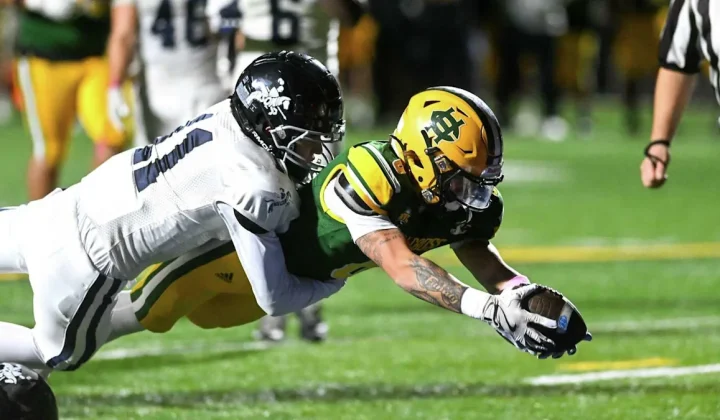
Holy Cross football ends 16-year drought against Ansonia behind Nate Craft’s four touchdowns
The Crusaders overcame a third-quarter deficit to beat Ansonia 48-37, snapping a losing streak that dated back to 2009 and improving to…
Read story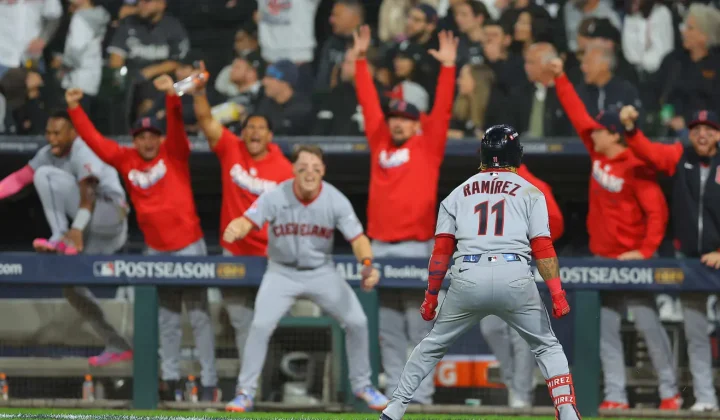
Guardians Force Winner-Take-All ALDS Game 5 With Six-Run Sixth Inning in Chicago
Cleveland scored six runs in the sixth inning to beat the White Sox 9-5 in Game 4 of the ALDS, setting up…
Read story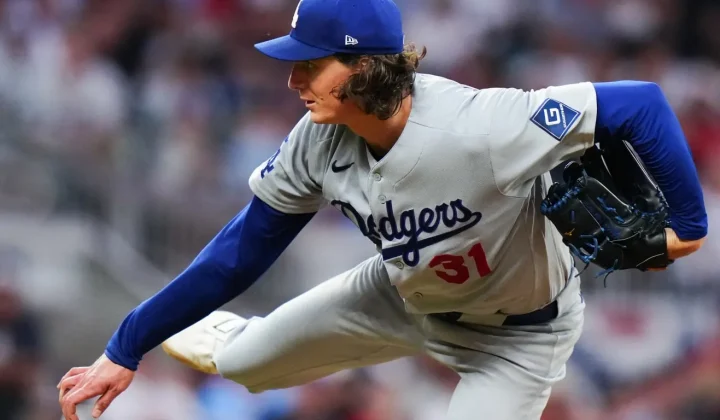
Dodgers Take Commanding 3-1 NLDS Lead Behind Glasnow’s Gritty Outing in Atlanta
Tyler Glasnow battled through command issues but limited Atlanta to one run over 4 2/3 innings as Los Angeles took a 3-1…
Read story
Braves Face Elimination as Dodgers Seek NLCS Berth in Game 4 NLDS Showdown
The Atlanta Braves host the Los Angeles Dodgers in a pivotal Game 4 of the National League Division Series on Wednesday night.…
Read storyRelated wiki

MLB Wild Card Rules Explained: Format, Tiebreakers & Postseason Impact
How the MLB wild card works in the current postseason format, including tiebreaker procedures, the 3-game series structure, and what it means…
Read storyPlayoff race
Reference page for playoff race language, qualification lines, tiebreakers and games-in-hand context.
Read story